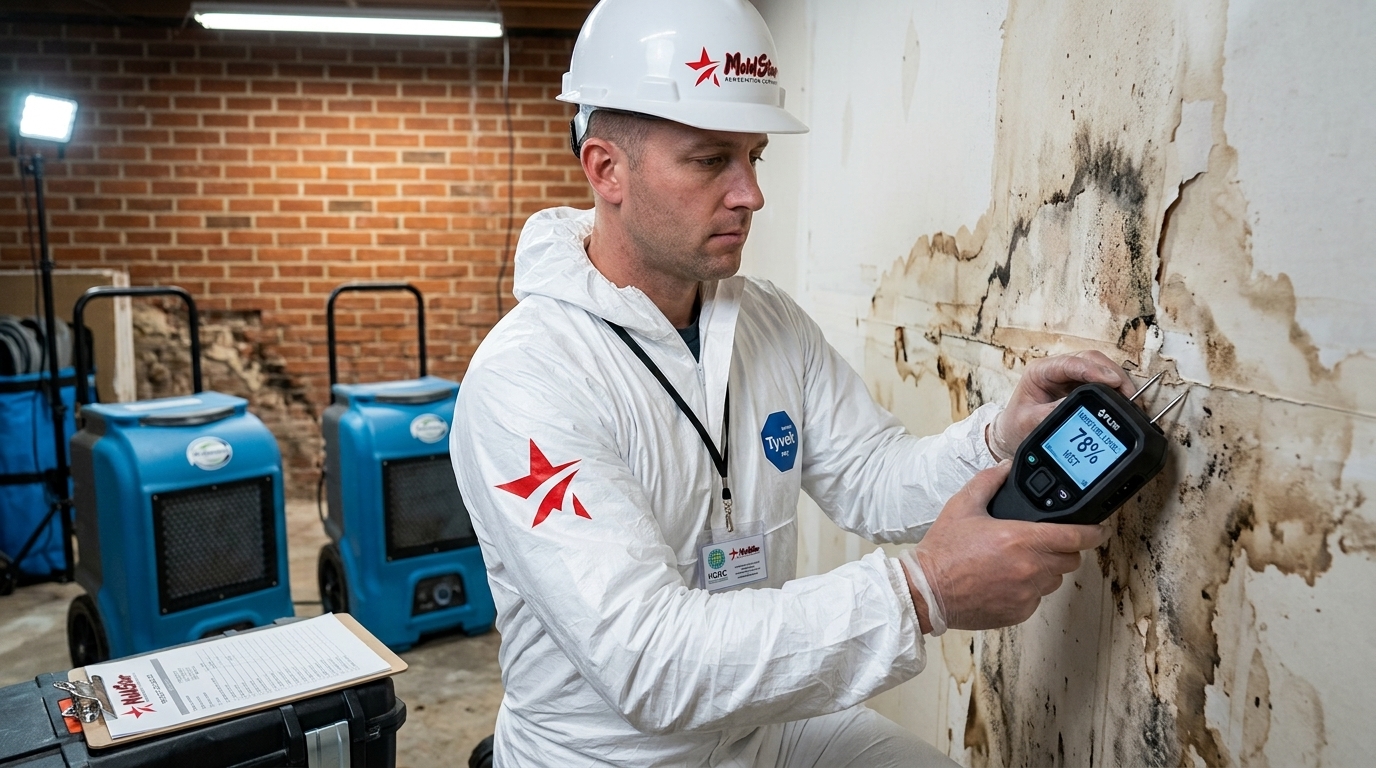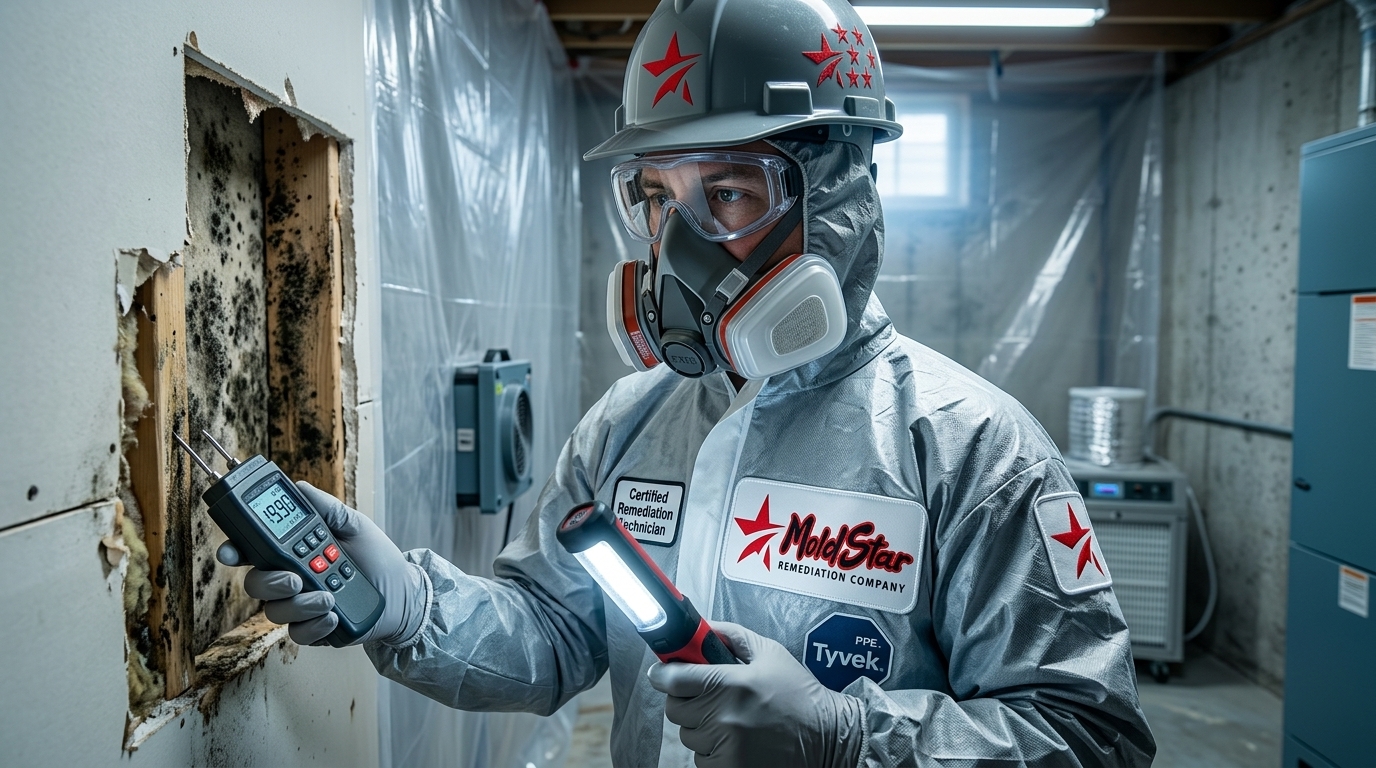
But the difference between mold and mildew is not just academic. It affects how you treat it, how much damage it can cause, and whether you need professional help. As an IICRC certified remediation technician serving Metro Atlanta for years, I have seen firsthand what happens when homeowners misidentify one for the other. A mildew problem treated as mold leads to unnecessary expense. A mold problem dismissed as mildew leads to structural damage and health concerns that get worse over time.
This guide will walk you through exactly how to tell mold vs mildew apart, what risks each one poses, when you can handle it yourself, and when it is time to call a professional.
Quick Comparison: Mold vs Mildew at a Glance
Before we get into the details, here is a side-by-side comparison of the key differences between mold and mildew:
Feature | Mildew | Mold |
|---|---|---|
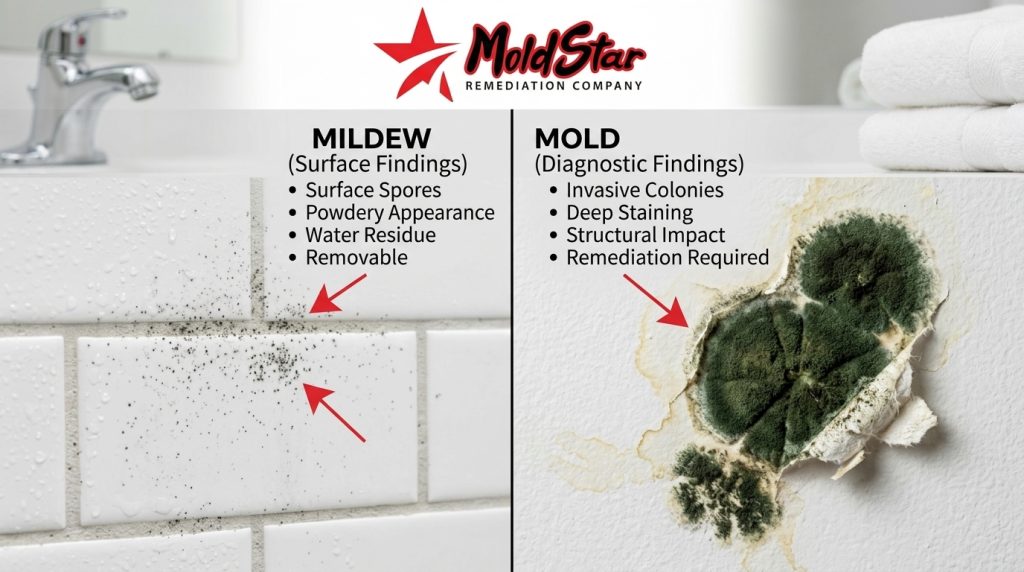
Appearance | Flat, powdery or downy | Raised, fuzzy or slimy |
Color | White, gray, or yellowish | Black, green, white, orange, or brown |
Texture | Powdery and dry | Fuzzy, velvety, or wet and slimy |
Growth pattern | Spreads outward across surfaces in flat patches | Grows in irregular, spreading colonies; often raised or clustered |
Surface vs penetrating | Stays on the surface of materials | Penetrates into materials (drywall, wood, insulation) |
Common locations | Bathroom tile, shower walls, windowsills, fabric | Behind walls, under flooring, crawl spaces, HVAC systems, attics |
Health risk level | Mild (coughing, sneezing, minor irritation) | Moderate to serious (respiratory issues, allergic reactions, prolonged symptoms) |
Treatment difficulty | Easy (surface cleaning with household products) | Moderate to difficult (may require professional remediation) |
Structural damage potential | Minimal (cosmetic staining) | Significant (can weaken wood, degrade drywall, compromise structure) |
Now let me break each one down in detail.
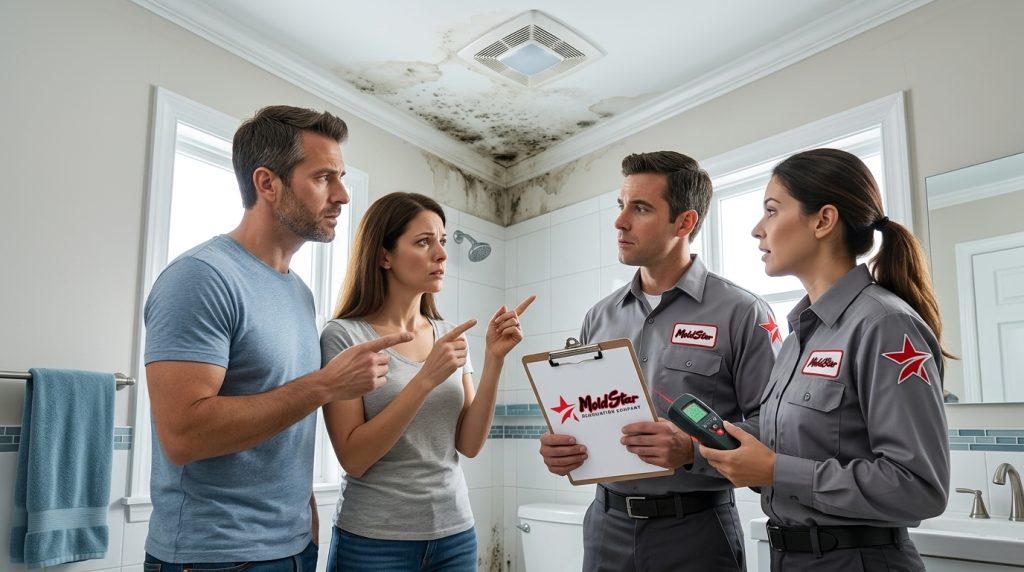
What Is Mildew?
Mildew is a type of surface fungus. It grows on the outer layer of damp materials and does not penetrate into them. Think of it as the shallow end of the fungal spectrum.
Where mildew typically grows:
Mildew thrives on surfaces that stay damp for extended periods. In Metro Atlanta homes, I most commonly find it on bathroom tile and grout, shower curtains, windowsills (especially during our humid summers), kitchen backsplashes near sinks, fabric and clothing stored in humid closets, and paper or cardboard in damp garages.
What mildew looks like:
Mildew generally appears as flat, spreading patches on surfaces. There are two main types:
- Powdery mildew starts as white or grayish spots and looks like someone dusted the surface with talcum powder. Over time, it may turn yellowish or light brown. If you run your finger across it, it feels dry and chalky.
- Downy mildew begins as yellow spots that gradually turn brown. It has a slightly damp, soft texture and is more common on plant materials and organic surfaces.
The key visual characteristic of mildew is that it lies flat. It does not puff up, grow in raised clusters, or have a three-dimensional, fuzzy quality. It sits on the surface like a stain, and in many cases, homeowners initially mistake it for discoloration or soap scum.
Why mildew forms:
Mildew needs three things: moisture, warmth, and an organic food source (even a thin film of soap residue or body oils on tile will do). Georgia’s humidity, which regularly exceeds 70% during summer months, creates ideal conditions. Poor bathroom ventilation is the number one contributor I see in Atlanta-area homes.
What Is Mold?
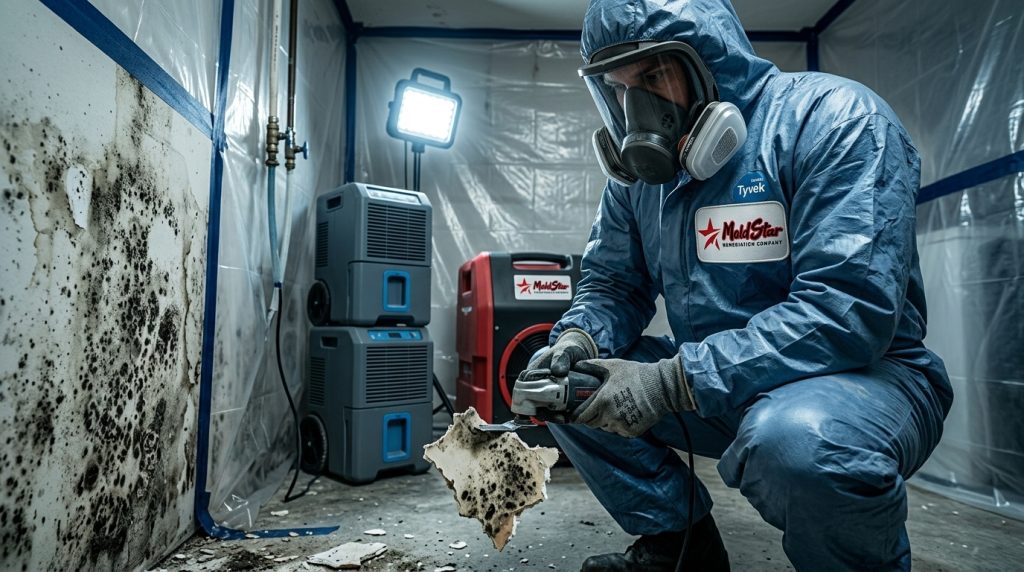
Mold is a different category of fungal growth, and it behaves in ways that make it far more concerning for homeowners. Unlike mildew, mold does not just sit on surfaces. It sends microscopic root structures called hyphae into the material it is growing on. This means mold can feed on and break down drywall, wood framing, ceiling tiles, carpet backing, and insulation from the inside out.
Where mold typically grows:
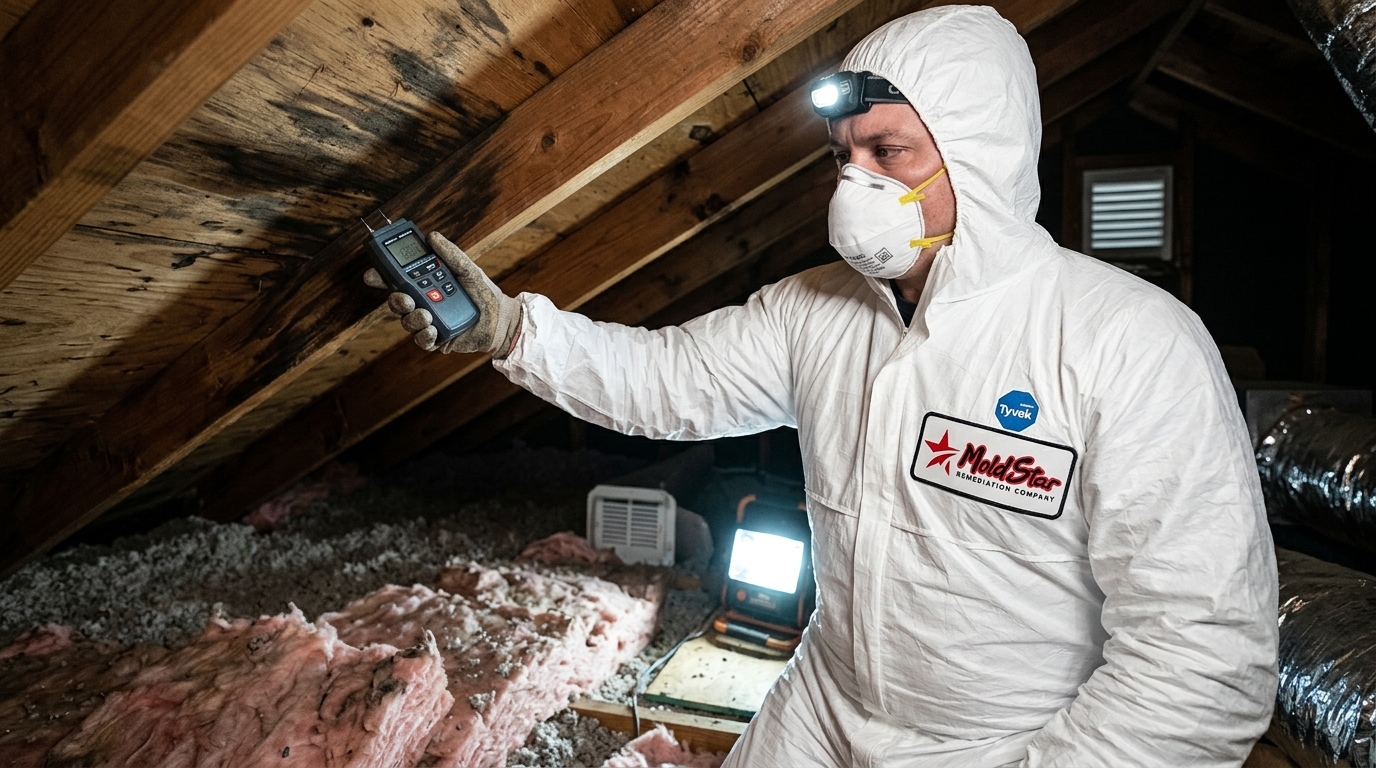
Mold can grow almost anywhere that moisture accumulates. In the Metro Atlanta homes I inspect, the most common locations include behind drywall near plumbing leaks, inside wall cavities with condensation issues, crawl spaces (Georgia’s humidity makes this extremely common), attics with poor ventilation or roof leaks, around HVAC systems and ductwork, under flooring after water damage, and in basements with moisture intrusion.
What mold looks like:
Mold has a dramatically different appearance from mildew. Here is what to look for:
- Black mold (often Stachybotrys chartarum) appears as dark greenish-black patches with a slimy or wet texture. It tends to grow in irregular shapes and may look shiny when actively growing. When dry, it can appear powdery and gray-black. For more on this specific type, see our black mold removal guide.
- Green mold (common species include Aspergillus, Penicillium, and Cladosporium) ranges from olive green to bright green. It often has a fuzzy, velvety texture and may appear in circular or spreading colonies.
- White mold can be the most confusing because it is sometimes mistaken for mildew or efflorescence (mineral deposits). White mold tends to have a fluffy, cotton-like quality. It feels soft rather than powdery, and it often grows in three-dimensional clusters rather than flat patches.
- Orange or brown mold is less common indoors but shows up on wood surfaces, especially in crawl spaces and attics. It can appear slimy or fuzzy depending on the species.
The defining visual characteristics of mold are texture and depth. Mold looks three-dimensional. It puffs up from the surface. It has a fuzzy, woolly, or slimy quality that mildew simply does not have. If the growth looks like it is raised off the surface, even slightly, you are likely looking at mold rather than mildew.
How to Visually Tell Mold and Mildew Apart
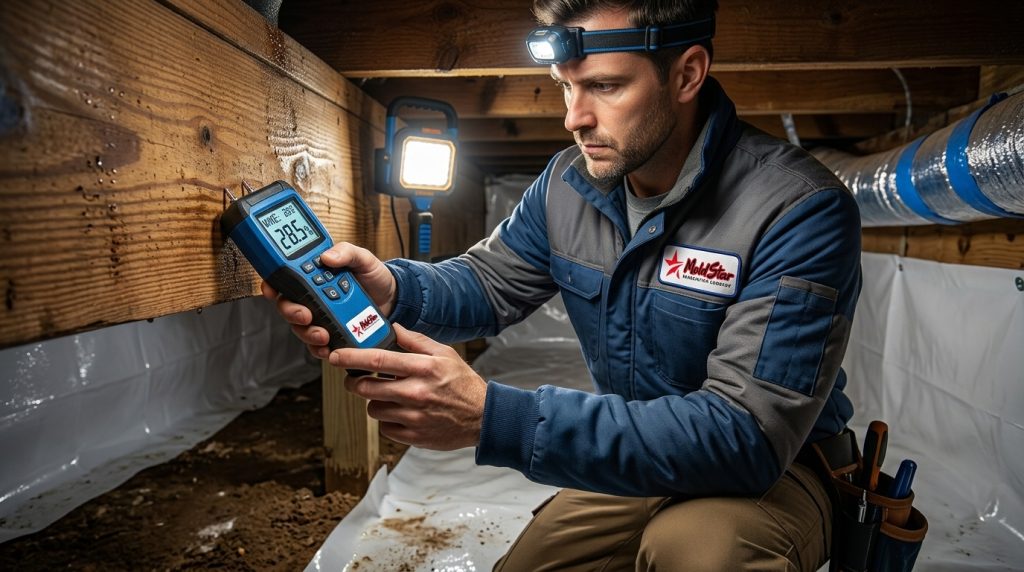
Since you cannot always get a lab test done on the spot, here are the practical visual and physical clues I use during inspections to distinguish black mold vs mildew and other types:
The flat-vs-raised test. Look at the growth from an angle. Mildew lies flat against the surface like a stain. Mold rises up from the surface, even if only slightly. If the growth has any three-dimensional quality (fuzz, bumps, or a velvety nap), it is mold.
The color test. Mildew is almost always white, gray, or light yellow. If you are seeing black, dark green, or orange, that is mold. Keep in mind that white mold does exist, which is why color alone is not enough to make a determination.
The wipe test. Dampen a cloth with a small amount of household bleach and gently wipe the affected area. If the discoloration lightens quickly and wipes away easily, it is most likely mildew. If the staining remains or the growth seems embedded in the material, you are dealing with mold. (Note: This test is only for identification purposes. Bleach is not an effective long-term mold treatment, and I do not recommend it as a remediation method.)
The location test. Where is the growth? Mildew overwhelmingly appears on exposed, easy-to-see surfaces like shower tile, grout lines, windowsills, and countertops. Mold prefers hidden, enclosed spaces with persistent moisture. If you find growth behind a baseboard, under carpet, inside a wall cavity, or in a crawl space, assume it is mold until proven otherwise.
The smell test. Mildew has a mild, musty odor. Mold tends to produce a stronger, more pungent, earthy smell. If you notice a persistent musty odor but cannot see any visible growth, that often indicates hidden mold growing inside walls, under floors, or in other concealed areas. Check our guide on signs of mold in your house for more on identifying hidden mold.
Health Risk Comparison: Mildew vs Mold
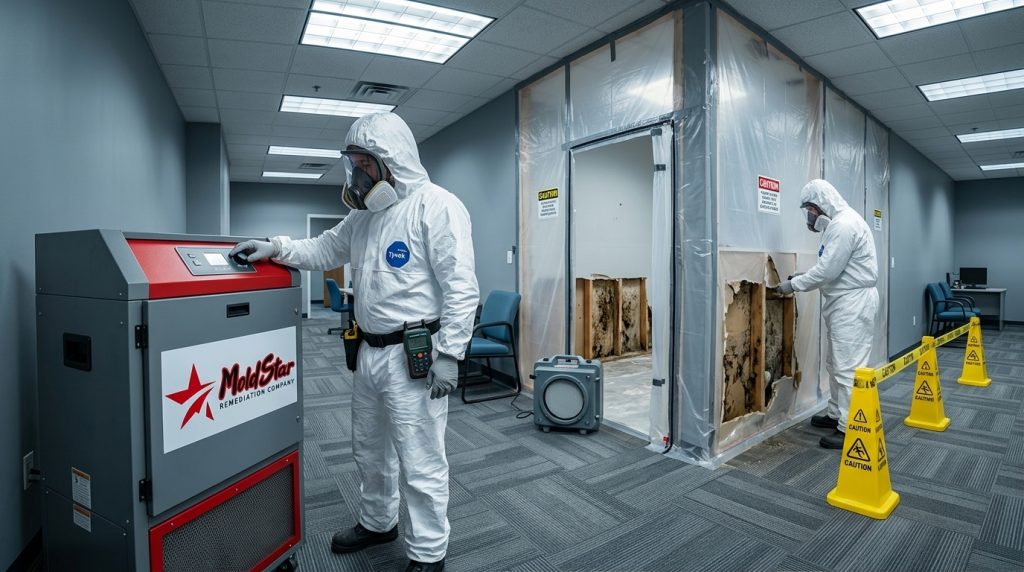
Both mildew and mold can affect your health, but the severity is quite different.
Mildew Health Effects
Mildew is generally a mild irritant. Prolonged exposure in a poorly ventilated space may cause:
- Coughing or sneezing
- Mild nasal congestion
- Minor throat irritation
- Temporary headaches in sensitive individuals
For most healthy adults, mildew exposure causes discomfort but not serious health problems. People with asthma or severe allergies may experience more noticeable symptoms.

Mold Health Effects
Mold poses a more serious health concern, particularly with prolonged exposure. According to the Centers for Disease Control and Prevention (CDC), mold exposure can cause:
- Upper respiratory tract symptoms (coughing, wheezing, shortness of breath)
- Nasal and sinus congestion
- Eye, skin, and throat irritation
- Worsening of asthma symptoms in people with asthma
- Hypersensitivity pneumonitis in susceptible individuals (with prolonged exposure)
The CDC and EPA both note that people with compromised immune systems, chronic lung conditions, or severe allergies are at greater risk. Children and the elderly may also be more vulnerable.
I want to be clear: not all mold is equally dangerous. The species, the extent of the growth, and the duration of exposure all matter. But any significant mold growth in a home should be taken seriously and addressed promptly, especially if anyone in the household is experiencing unexplained respiratory symptoms.
Treatment Comparison: DIY vs Professional
One of the biggest practical differences between mildew vs mold is how you deal with each one.
Treating Mildew (Usually a DIY Job)
Because mildew sits on the surface, it is typically easy to clean with household products. Effective methods include:
- White vinegar (undiluted, sprayed directly on the affected area, left for 10 to 15 minutes, then scrubbed and rinsed)
- Commercial mildew cleaners available at any hardware store
- Baking soda paste (mixed with water) for grout and tile
- Hydrogen peroxide (3% solution) as a spray-on treatment
After cleaning, the most important step is addressing the moisture source. If you clean the mildew but do not fix the ventilation or moisture issue, it will come back.
Treating Mold (May Require Professional Remediation)
Mold treatment depends on the size, location, and type of growth:
- Small areas (less than about 10 square feet): The EPA states that homeowners can generally handle small mold problems themselves using proper protective equipment (N95 respirator, gloves, eye protection) and appropriate cleaning methods. However, this applies only to mold on non-porous surfaces or surfaces you can easily replace (like a small section of drywall).
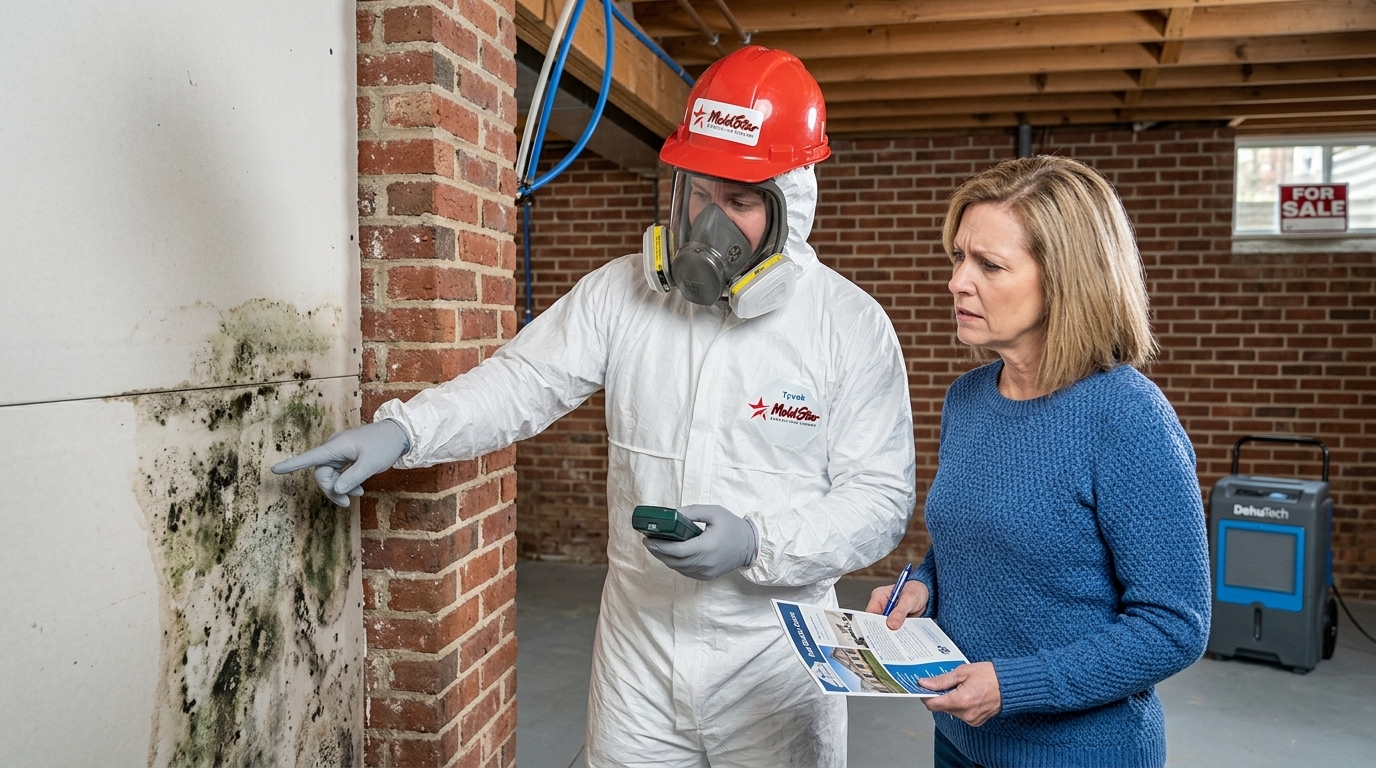
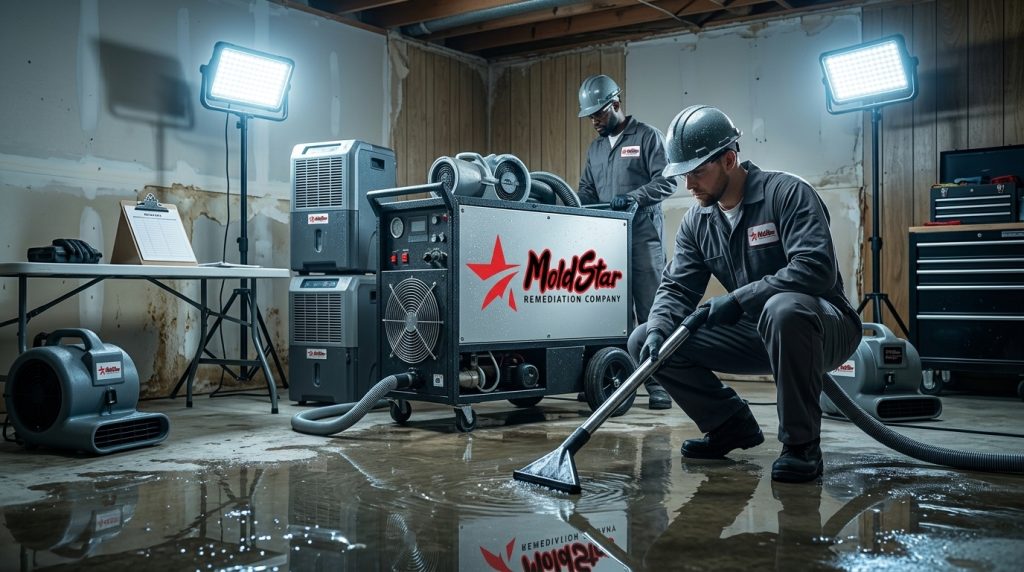
- Large areas (more than 10 square feet): The EPA recommends hiring a professional with experience in mold remediation. At this scale, improper removal can spread spores throughout the home and make the problem worse.
- Hidden mold: If mold is growing inside wall cavities, under flooring, in crawl spaces, or in HVAC systems, professional remediation is almost always necessary. Accessing these areas safely, containing the work zone, and verifying complete removal requires specialized equipment and training.
- Toxic mold species: If you suspect Stachybotrys (black mold) or other potentially harmful species, professional assessment is strongly recommended regardless of the size of the affected area.
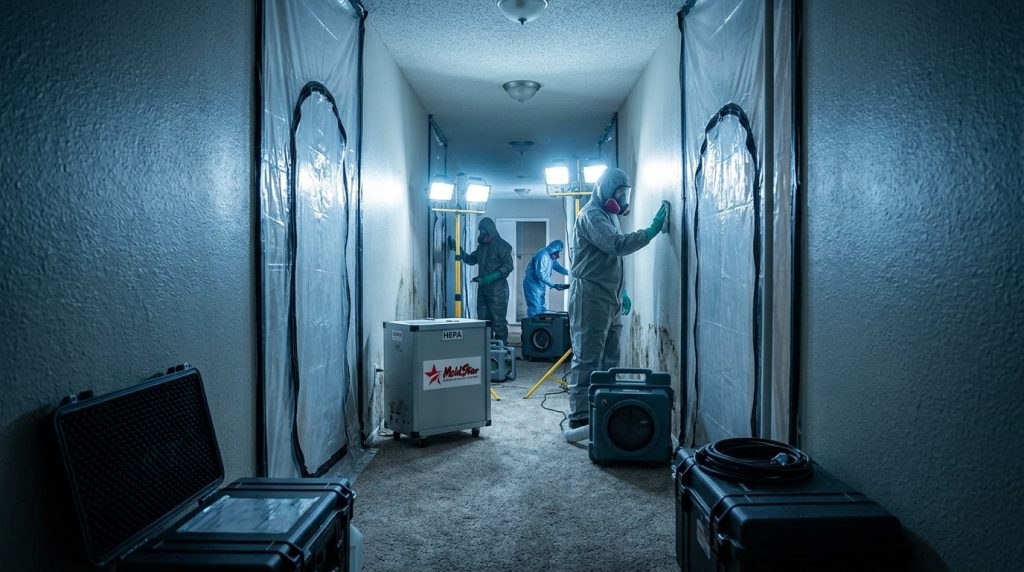
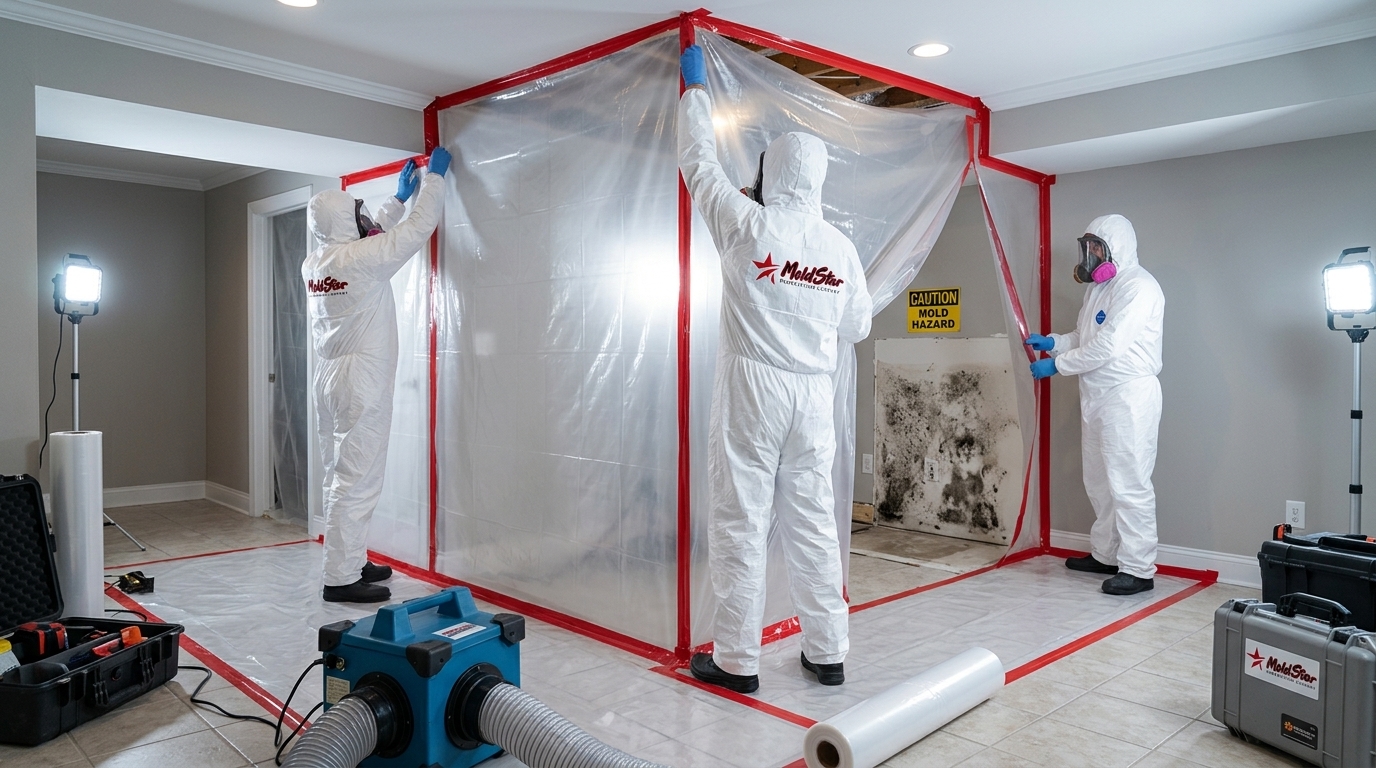
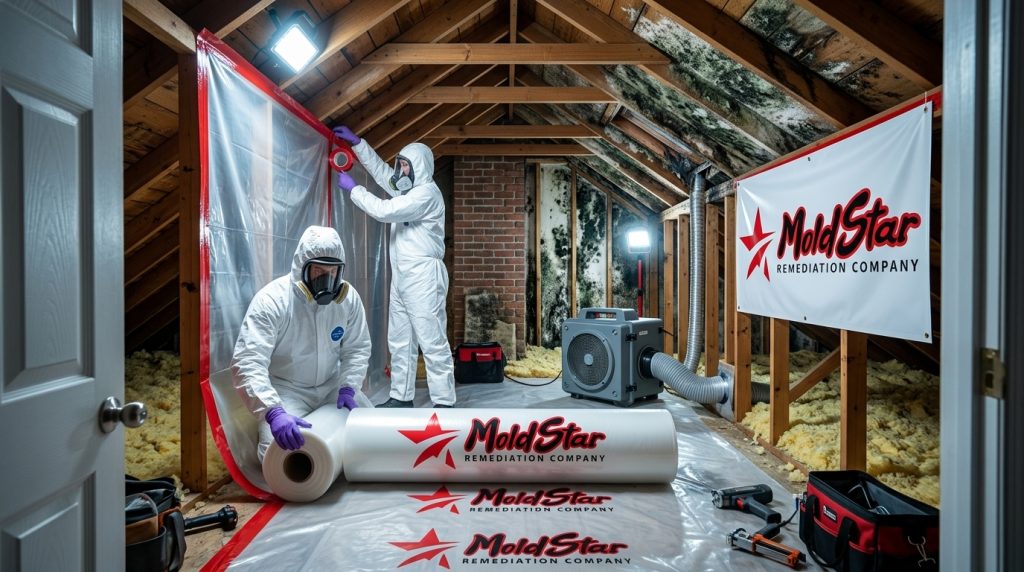
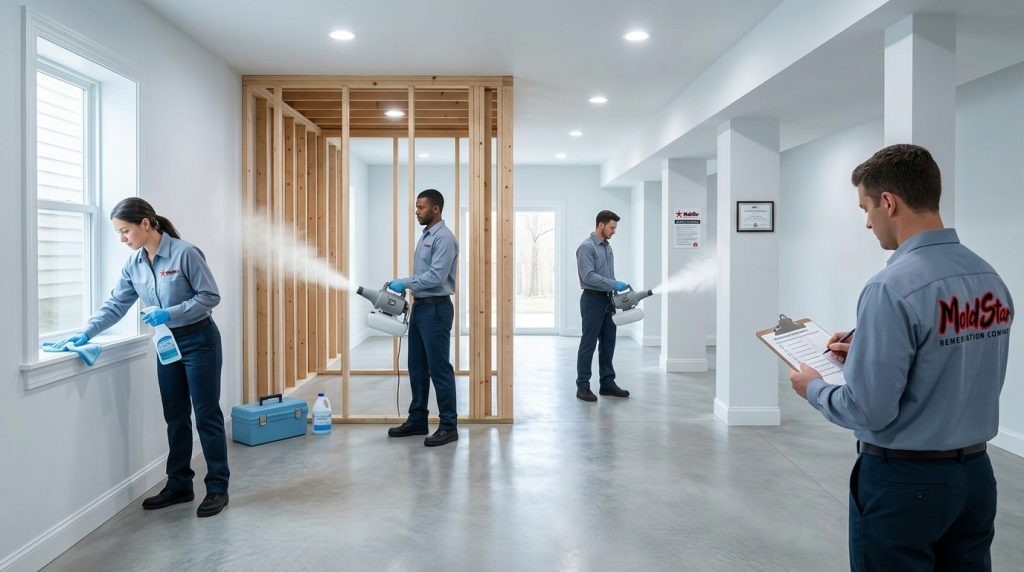
Professional mold remediation involves containment, HEPA filtration, removal of affected materials, antimicrobial treatment, and clearance testing to verify the mold has been fully addressed. For details on what this typically costs, see our mold remediation cost guide.
When to Call a Professional
Based on my experience performing hundreds of remediation projects across Metro Atlanta, here are the situations where I strongly recommend calling a professional:
The mold covers more than 10 square feet. This is the threshold the EPA uses in its guidelines for homeowners, and it is good advice. Once mold reaches this size, proper containment becomes critical to prevent spreading spores to clean areas of the home.
The growth keeps coming back. If you have cleaned the same area two or three times and the mold returns within weeks, there is an underlying moisture source you are not reaching. A professional can identify hidden leaks, condensation issues, or humidity problems that are feeding the growth.
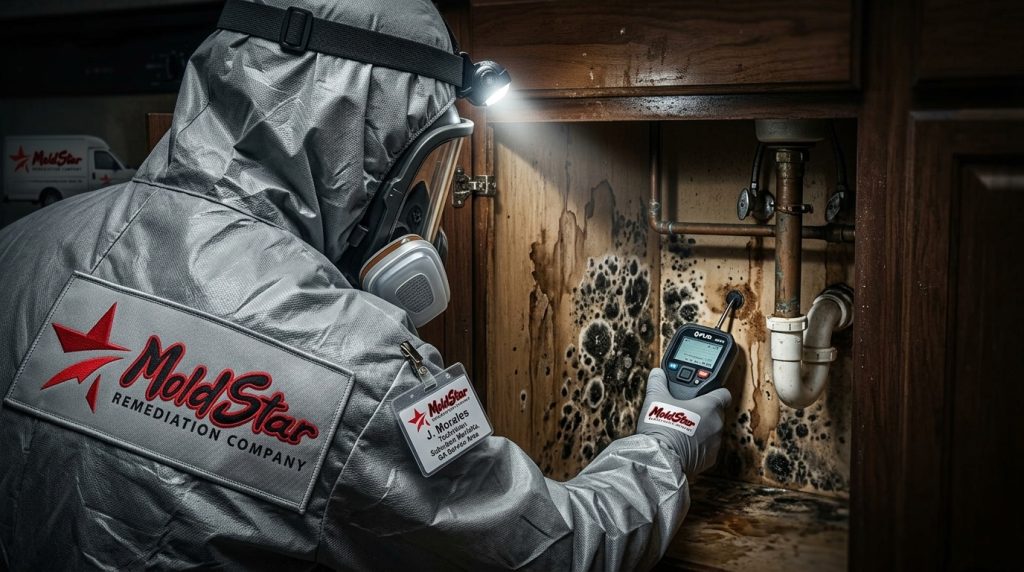
You smell mold but cannot see it. A persistent musty or earthy odor without visible growth is one of the most common reasons homeowners call us. It usually means mold is growing in a concealed area: behind drywall, under carpet, in a crawl space, or inside HVAC ductwork. A professional mold inspection can pinpoint the source.
Anyone in the home is experiencing health symptoms. If household members are dealing with unexplained respiratory issues, persistent coughing, sinus problems, or worsening allergies, and you suspect mold may be involved, get a professional assessment. Your health is not something to gamble on.
The mold is in your HVAC system. Mold inside ductwork or around air handling units can distribute spores to every room in the house every time the system runs. This requires specialized cleaning and remediation.
You have had recent water damage. After any flooding, pipe burst, or significant leak in your Atlanta home, mold can begin growing within 24 to 48 hours. If drying was not completed quickly and thoroughly, mold growth in concealed areas is very likely.

Prevention Tips for Atlanta Homeowners
Prevention is always more effective (and less expensive) than remediation. Here is what I recommend to every homeowner in the Metro Atlanta area:
Control indoor humidity. Keep indoor relative humidity below 60%, ideally between 30% and 50%. In Georgia, this often means running a dehumidifier during the summer months, especially in basements and crawl spaces. A simple hygrometer (available for under $15 at any hardware store) lets you monitor levels.
Improve ventilation. Run exhaust fans during and for at least 30 minutes after every shower or bath. Make sure your kitchen exhaust fan vents to the outside (not into the attic). Open windows when weather permits to increase airflow.
Fix leaks immediately. Do not wait on plumbing repairs. A slow drip under a sink or behind a toilet can produce enough moisture to support mold growth within days. Roof leaks, even small ones, can lead to extensive mold in attic spaces.
Maintain your HVAC system. Change air filters on schedule. Have your system inspected annually. Make sure condensate drain lines are clear and draining properly. In our humid Atlanta climate, a clogged condensate line is a common cause of hidden water damage and mold growth.