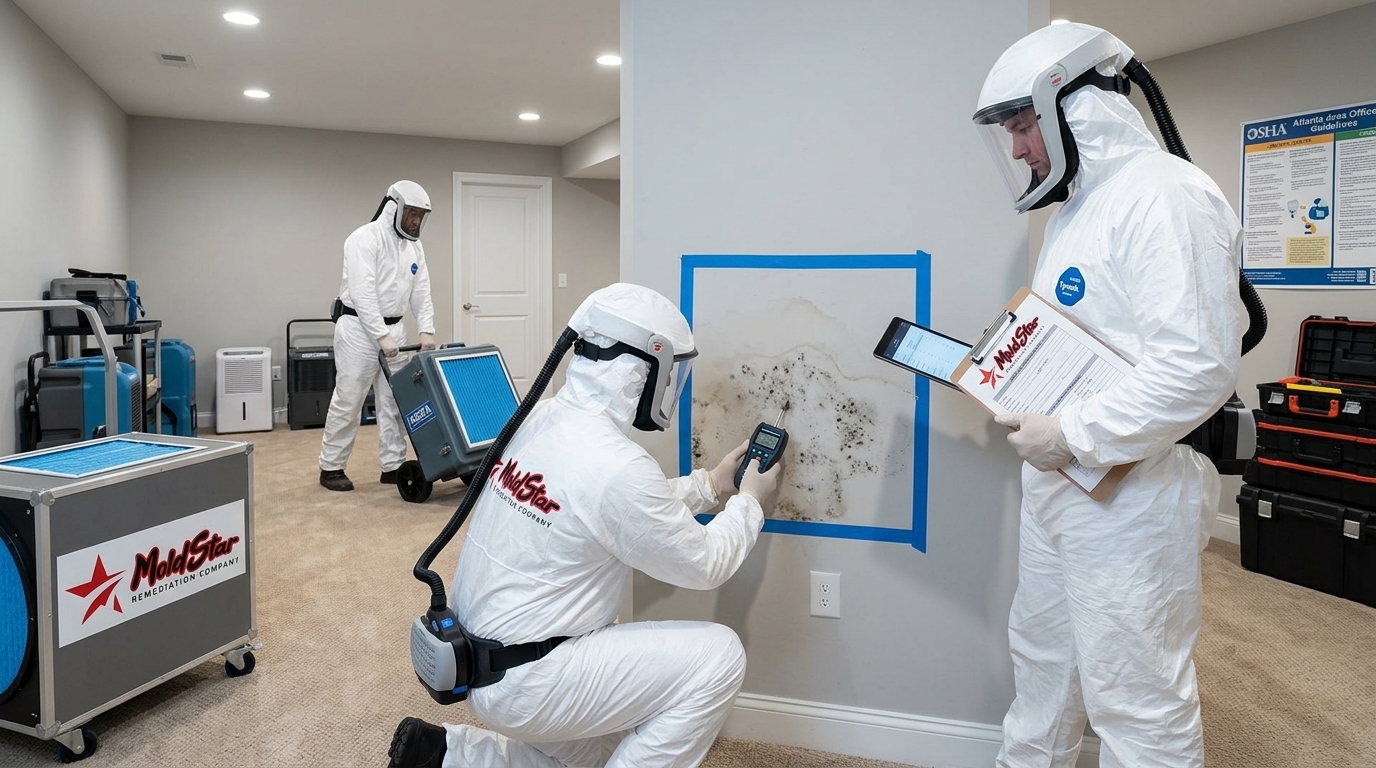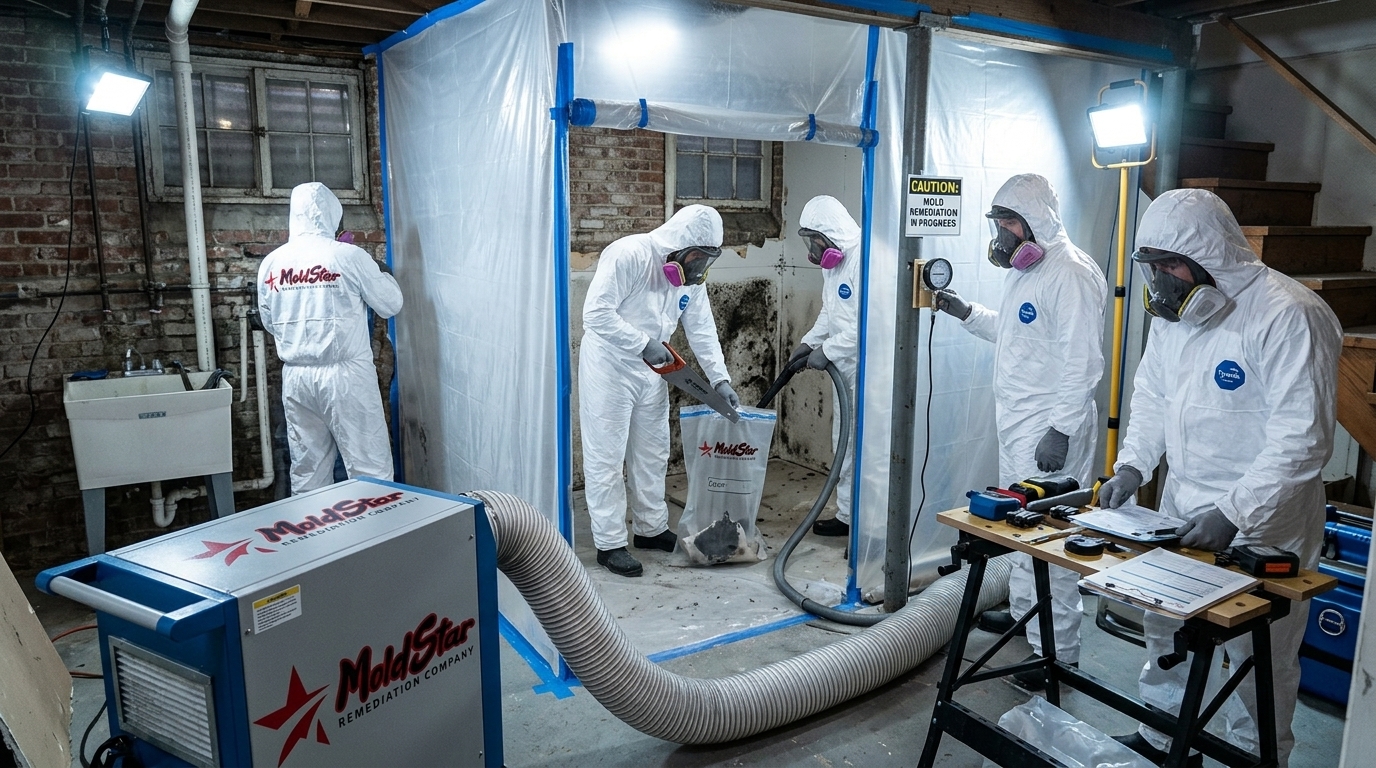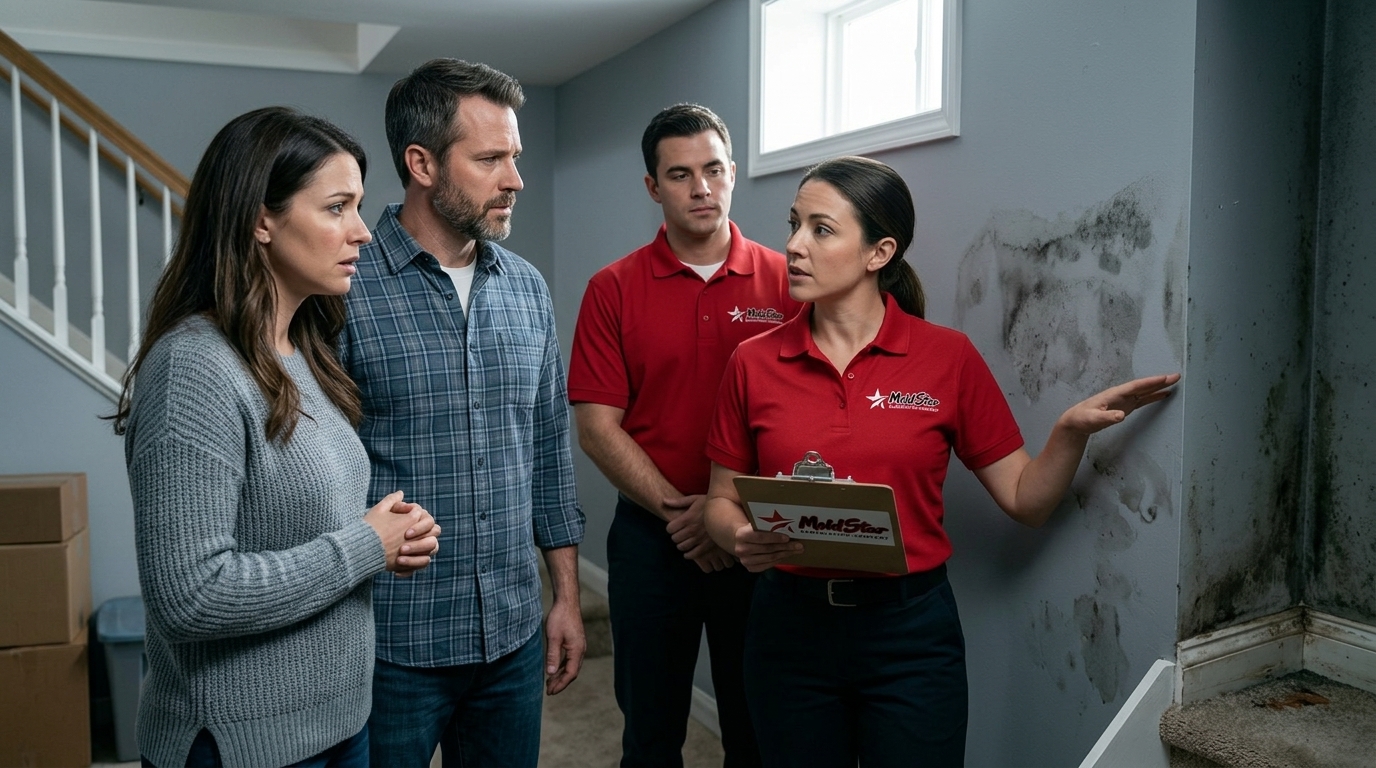
Over the years, I’ve walked into hundreds of homes where the family thought they just had allergies, or that a musty smell was “just the crawl space.” It turned out to be an active mold problem that had been growing for months, sometimes years.
This post will walk you through every major sign of mold in your house, room by room, so you know exactly what to look for and when to call a professional.
Visual Signs of Mold in Your Home
The most obvious signs of mold are the ones you can see. But here’s the catch: mold doesn’t always look like the dramatic black patches you see on TV. It can be subtle, and homeowners often mistake it for dirt, water stains, or normal wear and tear.
Why mildew forms:
Mildew needs three things: moisture, warmth, and an organic food source (even a thin film of soap residue or body oils on tile will do). Georgia’s humidity, which regularly exceeds 70% during summer months, creates ideal conditions. Poor bathroom ventilation is the number one contributor I see in Atlanta-area homes.
What Is Mold?
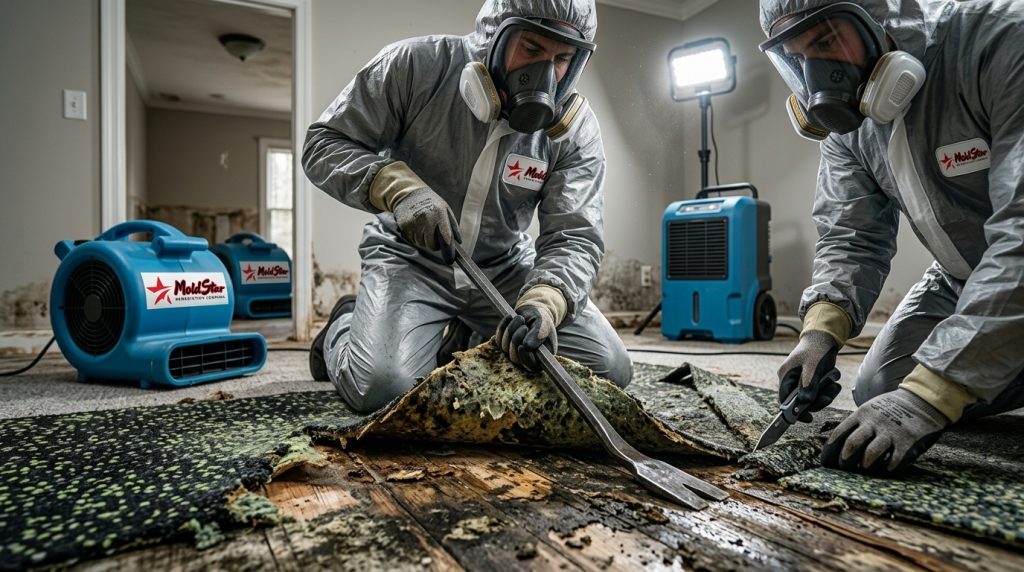
Mold is a different category of fungal growth, and it behaves in ways that make it far more concerning for homeowners. Unlike mildew, mold does not just sit on surfaces. It sends microscopic root structures called hyphae into the material it is growing on. This means mold can feed on and break down drywall, wood framing, ceiling tiles, carpet backing, and insulation from the inside out.
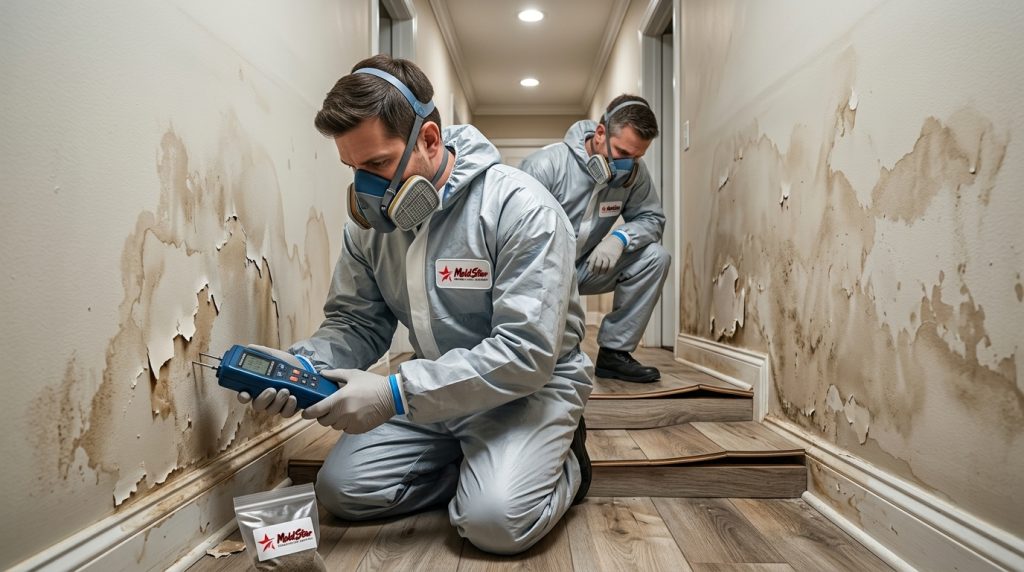
Smell Indicators: The Musty Odor You Shouldn’t Ignore
Sometimes you’ll smell mold before you ever see it. A musty, earthy odor is one of the most reliable hidden mold signs, and it’s the number one clue I follow when a homeowner calls to say something just doesn’t seem right.
What does mold smell like? Think of a damp basement, old library books, or wet cardboard. It’s an earthy, stale smell that lingers no matter how much you clean. Some people describe it as sour or similar to rotting wood.
Room-specific smell patterns. If the musty smell is stronger in one area of your house, that’s a major clue. It might hit you when you open a closet, enter the basement, or turn on the HVAC system. Pay attention to whether the smell intensifies in certain rooms or during certain weather conditions.
Cleaning won’t fix it. This is a big one. If you’ve scrubbed, sprayed air freshener, and opened windows, but the smell keeps coming back, the source is almost certainly behind a surface where standard cleaning can’t reach. The mold itself needs to be found and removed.
Health Symptoms That May Indicate Mold in Your House
According to the CDC, exposure to damp and moldy environments can cause a variety of health effects in some people. Not everyone reacts the same way, but certain patterns are worth paying attention to.
Common mold symptoms in house environments include:
- Nasal stuffiness and congestion
- Coughing and throat irritation
- Wheezing or difficulty breathing
- Skin irritation or rashes
- Eye irritation (red, itchy, or watery eyes)
The EPA notes that people with asthma, allergies, or compromised immune systems may experience more severe reactions to mold exposure.
The “leave the house” test. One of the most telling signs is when symptoms improve significantly when you leave your home and return when you come back. If your family feels better at work, school, or on vacation but the congestion and irritation return at home, indoor mold could be the reason.
Multiple family members affected. When more than one person in the household develops similar respiratory symptoms around the same time, and no one has a cold or virus, that’s a pattern worth investigating.
Note: These symptoms can have many causes. If you’re experiencing health issues, consult your doctor. This information is not medical advice. However, if your doctor suggests environmental factors, a professional mold inspection is a smart next step.
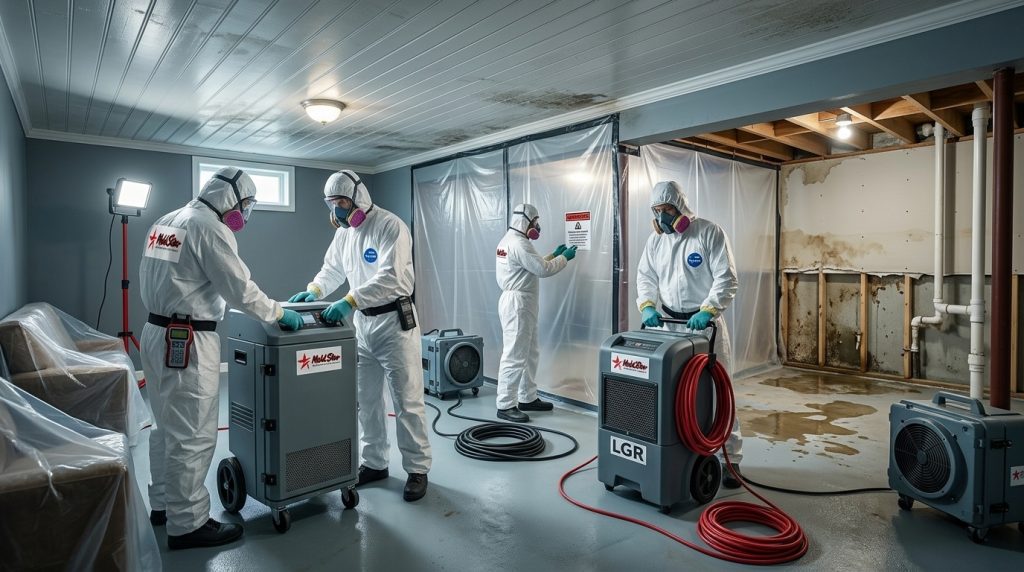
Room-by-Room Mold Checklist
Knowing where to look is half the battle. Here’s a detailed room-by-room guide to help you check your home for signs of mold.
Bathroom
- Around the base and edges of the bathtub and shower
- On caulking and grout lines (look for black or pink discoloration)
- Under the sink and around pipe connections
- On the ceiling directly above the shower
- Behind the toilet (check the wall and floor)
- On or around exhaust fan covers
Kitchen
- Under the sink (check for slow leaks and damp wood)
- Behind the refrigerator (condensation and drip pan area)
- Around the dishwasher connection to the wall
- On window sills where condensation collects
- Along the base of all walls, especially at the floor joint
- On or around any exposed concrete (white mineral deposits may signal moisture)
- Near sump pumps and floor drains
- Around stored boxes and furniture (check behind and underneath)
- On ceiling tiles and any exposed framing
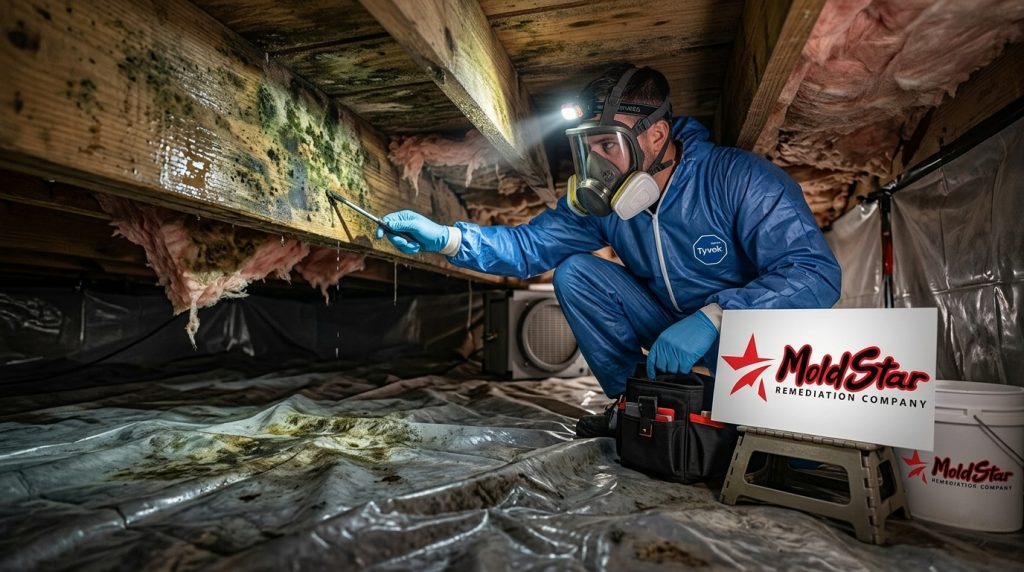
Crawl Space
- On floor joists and subflooring overhead
- On any exposed vapor barrier or soil
- Around plumbing penetrations
- On support columns and foundation walls
- This is a big one for Georgia homes. Many houses in Marietta, Kennesaw, Roswell, and throughout Cobb and Fulton counties sit on crawl spaces that trap moisture, especially during summer.
Attic
- On roof decking (the underside of your roof)
- Around bathroom vent fan exhaust termination points
- At the junction of roof and wall framing
- On or near any insulation that appears damp, stained, or compressed
- Around roof penetrations (plumbing vents, chimneys)

Laundry Room
- Behind and under the washing machine
- Around dryer vent connections
- On the wall behind the machines (check for condensation stains)
- In any floor drains
Around Windows
- On window sills and frames (especially north-facing windows)
- In window tracks where condensation pools
- On or behind curtains and blinds that press against cold glass
HVAC System
- On and around air supply and return vents
- On the drip pan under the air handler
- Around the condensate drain line
- On ductwork insulation visible in the attic or crawl space
- A musty smell that appears when the system kicks on is a strong sign of mold inside the ducts
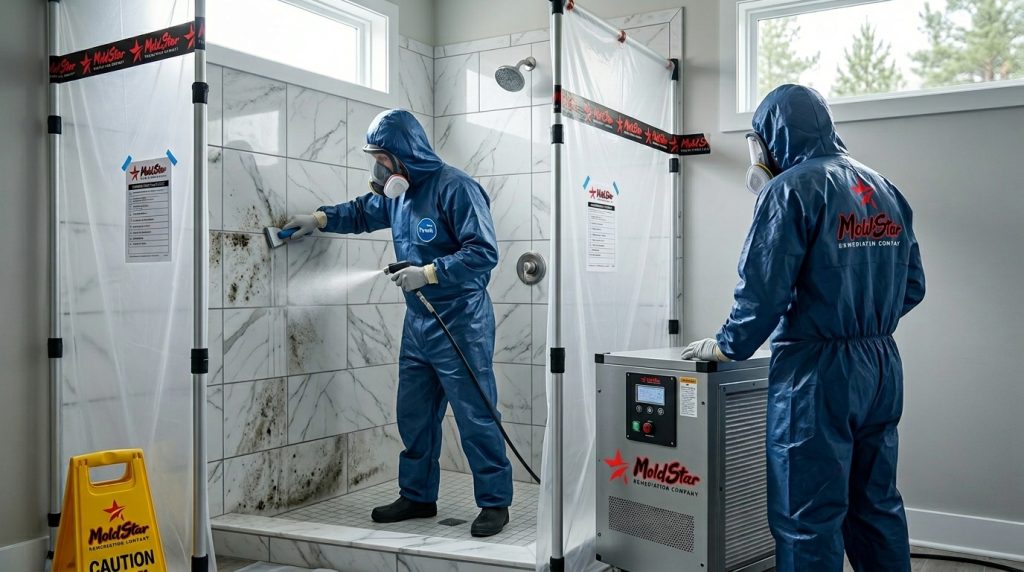
Hidden Mold Locations: Where Mold Grows Without You Knowing
Some of the worst mold problems I’ve encountered were completely invisible to the homeowner. These are the locations where mold hides and grows undisturbed, sometimes for years.
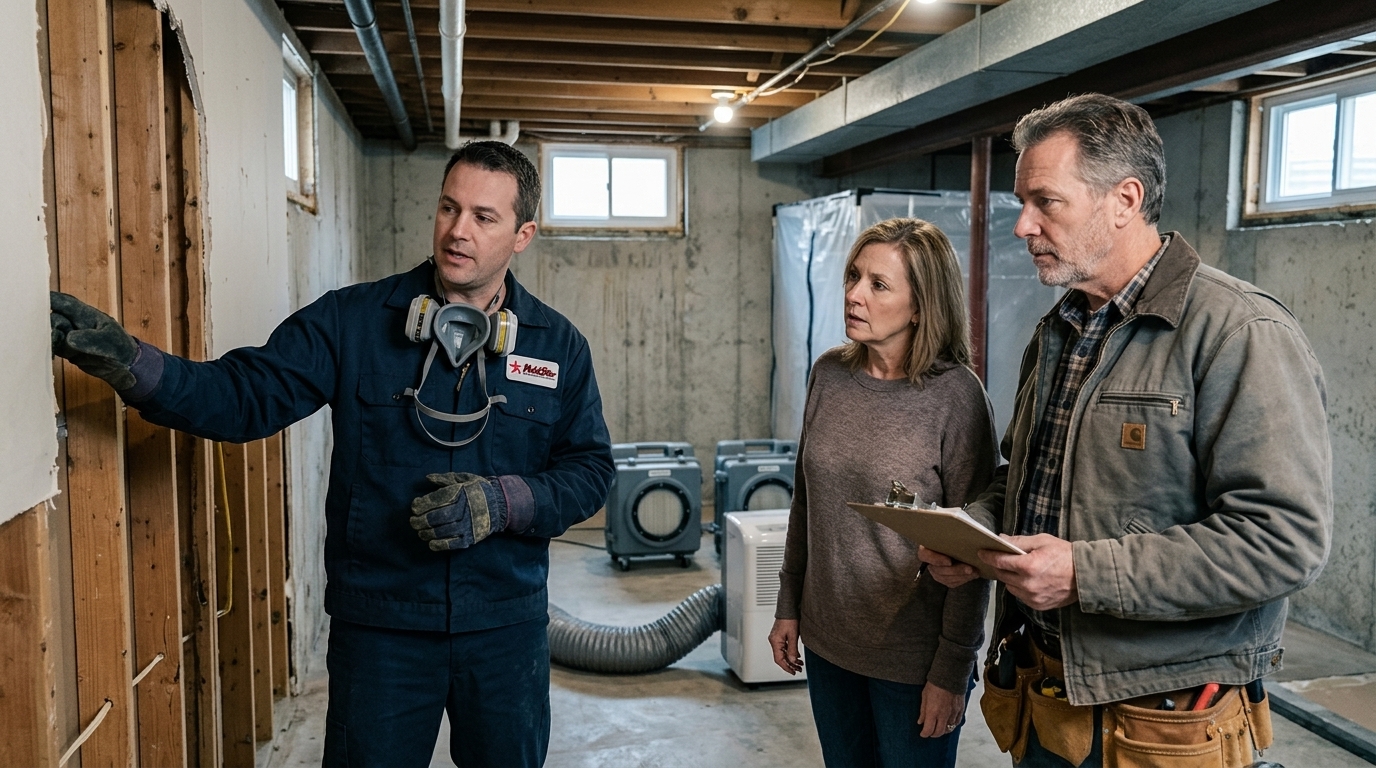
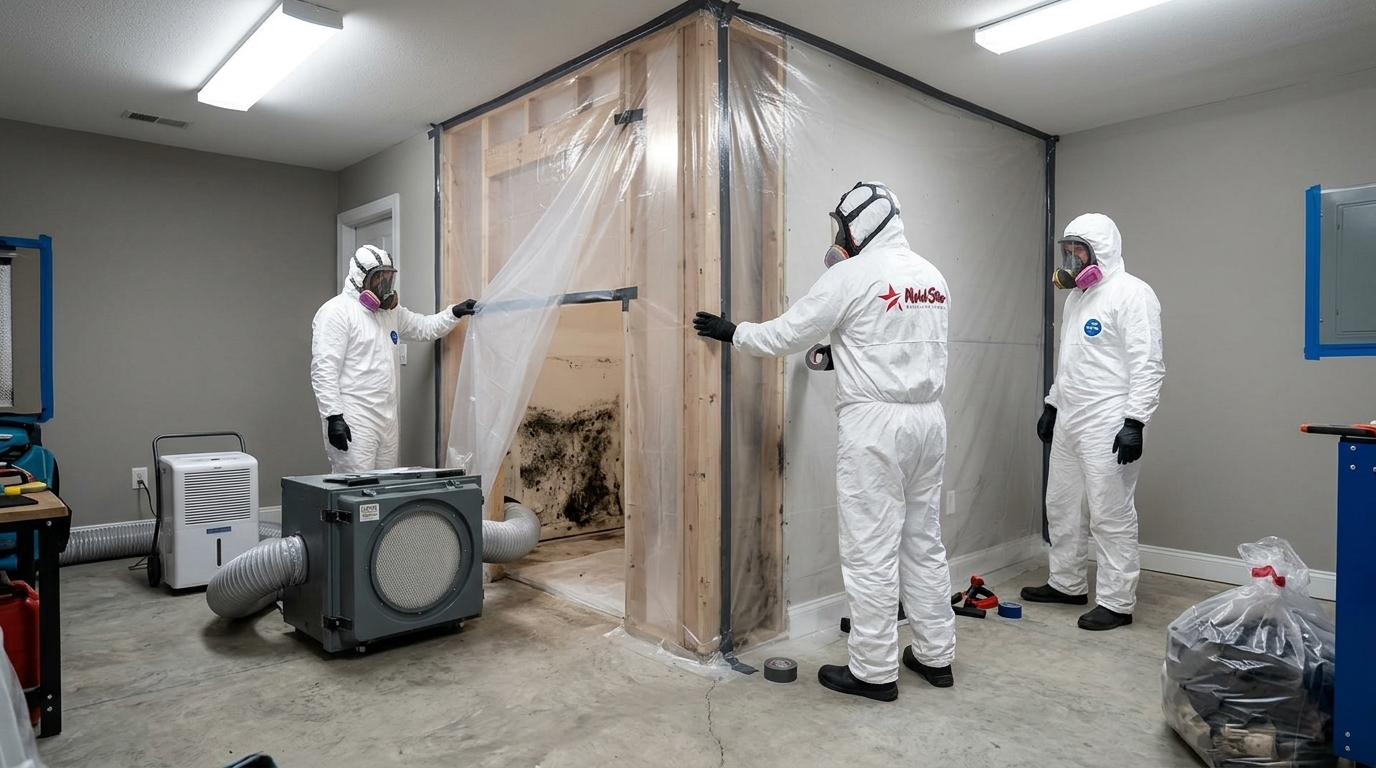
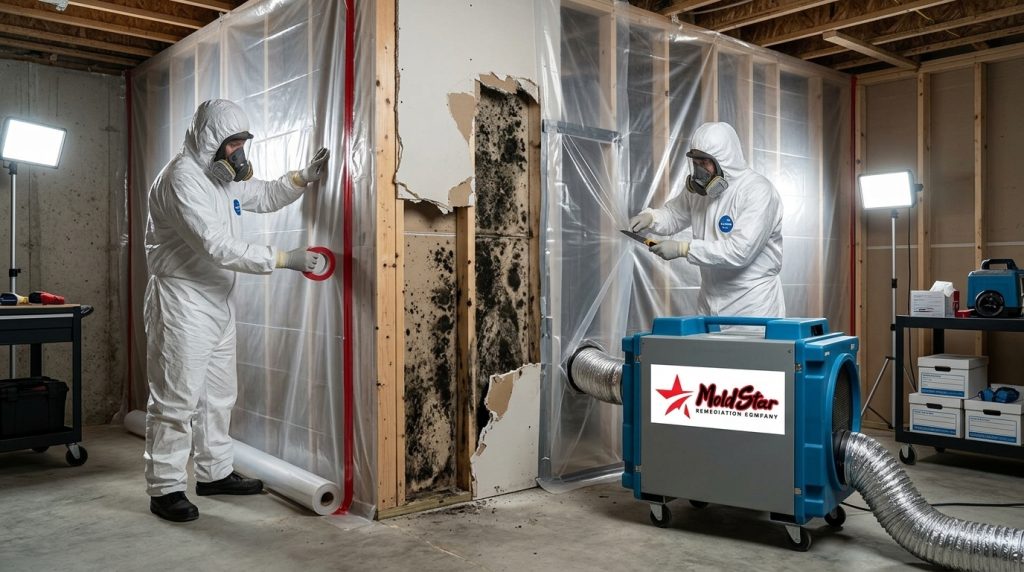
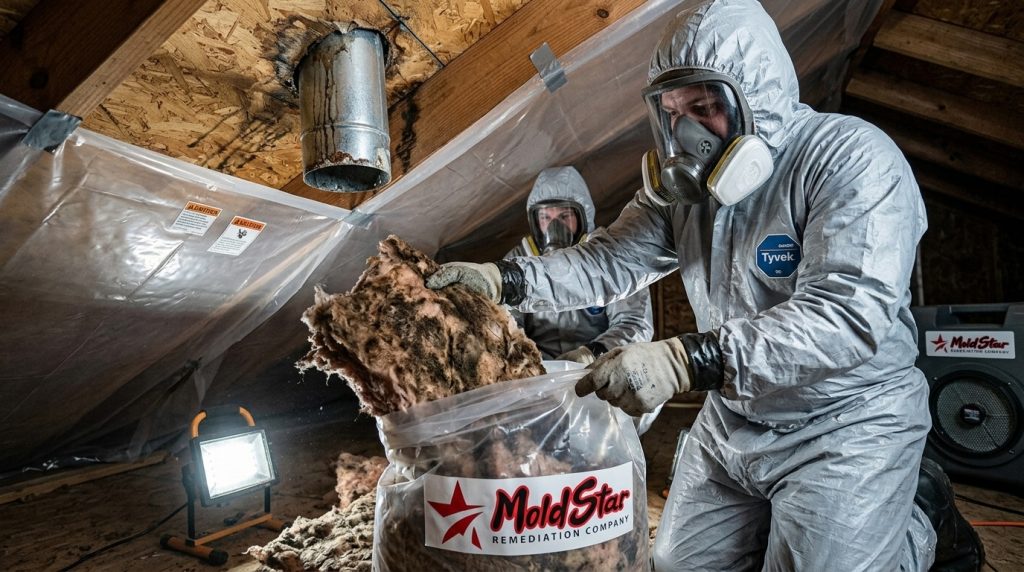
Behind drywall. A small leak from a pipe or roof can saturate the back side of drywall without ever showing on the front. The paper backing on drywall is an excellent food source for mold. I’ve pulled back walls in Atlanta-area homes that looked perfectly fine on the surface and found thick colonies behind them.
Under carpet and padding. Any carpet that has gotten wet from a spill, leak, or flooding can harbor mold underneath, especially if it wasn’t dried within 24 to 48 hours. The carpet may look and feel dry on top while mold grows on the pad and subfloor below.
Inside HVAC ductwork. Your air conditioning system produces condensation every time it runs. In Georgia, where AC runs six to eight months a year, that’s a lot of moisture cycling through your ducts. Mold inside ductwork sends spores into every room of the house whenever the system operates.
Behind kitchen and bathroom cabinets. Cabinets are mounted to walls with a small gap behind them. Plumbing leaks, even minor ones, create a damp, dark environment that’s ideal for mold. You may not notice until the cabinet itself starts showing damage.
Around plumbing throughout the house. Pipe connections inside walls, under slab foundations, and in crawl spaces can develop slow leaks. These drip for weeks or months before anyone notices, giving mold plenty of time to establish itself.
In the attic above bathroom fans. If your bathroom exhaust fan vents into the attic instead of to the exterior (which is a code violation, but common in older Georgia homes), every hot shower pushes moisture directly into your attic space. This is one of the most common hidden mold sources I find.
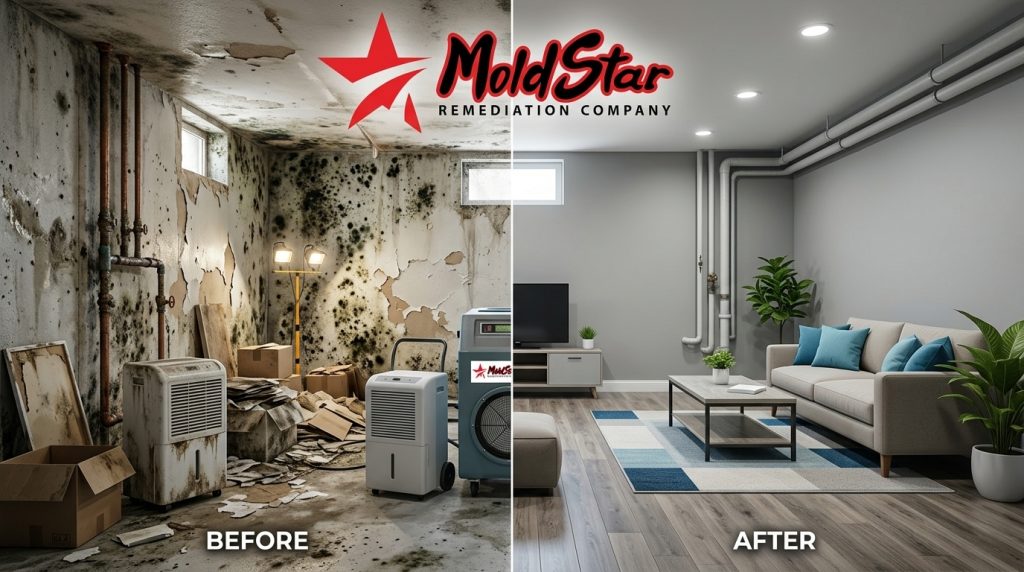
Georgia-Specific Factors: Why Atlanta Homes Are at Higher Risk
Living in Metro Atlanta means living in one of the more mold-friendly climates in the country. Here’s why Georgia homeowners need to be especially vigilant about signs of mold in their homes.
High humidity from May through September. Atlanta’s average relative humidity frequently exceeds 80% during summer months. The EPA recommends keeping indoor humidity below 60%, and ideally between 30% and 50%. Without proper ventilation and dehumidification, Georgia homes can easily exceed safe levels for months at a time.
Georgia’s clay soil and drainage issues. The heavy red clay soil throughout Cobb, Fulton, and DeKalb counties doesn’t drain water efficiently. After heavy rains, water pools around foundations and saturates the soil near crawl spaces. That standing water pushes moisture into your home from below.
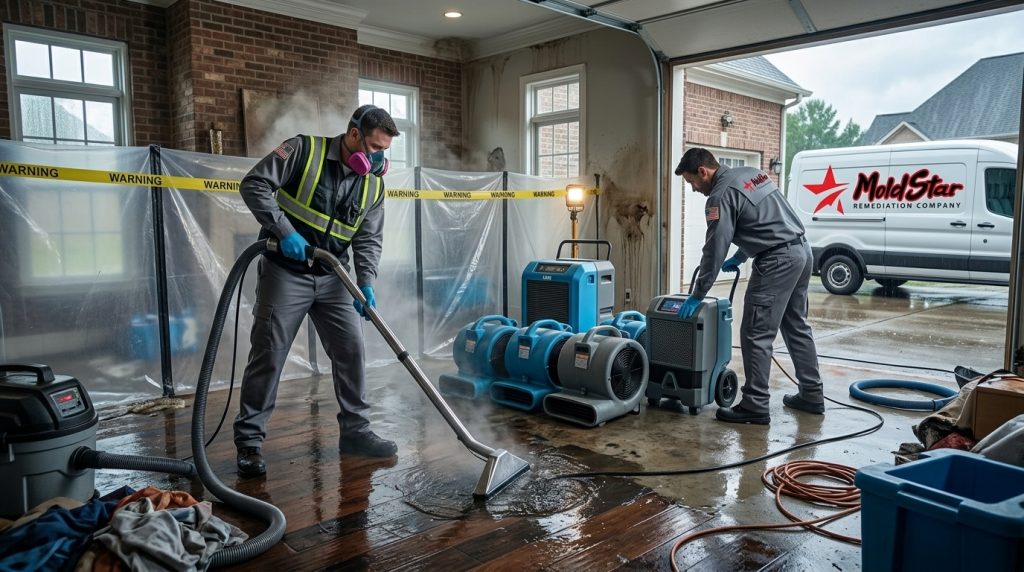
Older homes with crawl spaces. Many homes built in the 1960s through 1990s across Marietta, Roswell, Smyrna, and East Cobb have crawl space foundations. Without a proper vapor barrier and adequate ventilation (or encapsulation), these crawl spaces become breeding grounds for mold growth.
Storm damage and seasonal flooding. Georgia’s severe thunderstorm season from March through August brings heavy rain, high winds, and occasional hail. Roof damage, gutter failures, and minor leaks from storm events create the exact conditions mold needs. If your home sustained any water intrusion during a storm, even minor, check for mold within one to two weeks.
Temperature swings in spring and fall. Those stretches in March, April, October, and November when Georgia swings from warm days to cool nights create condensation on windows, pipes, and interior surfaces. Condensation means moisture, and moisture means mold risk.
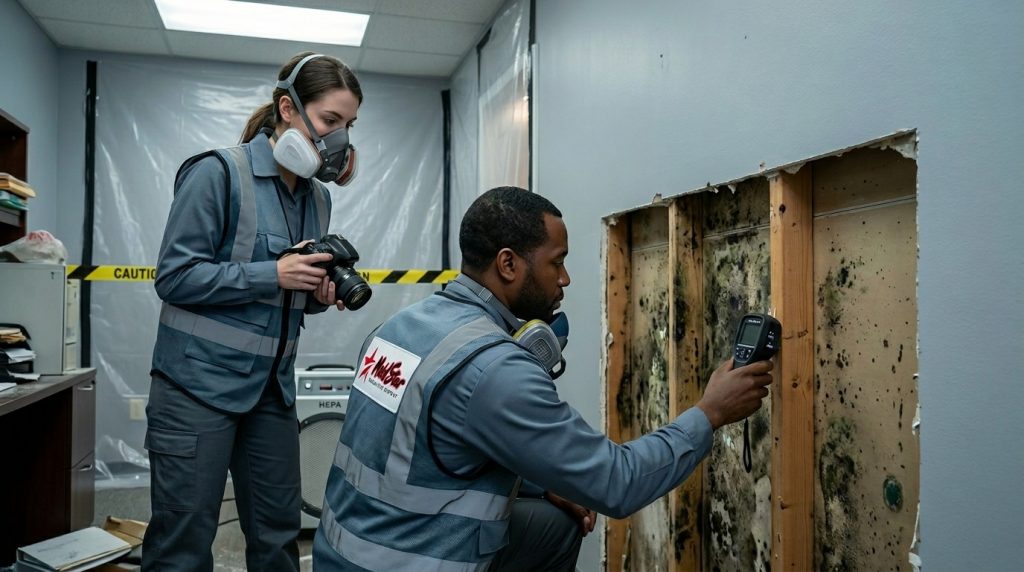
What to Do If You Find Signs of Mold
If you’ve identified one or more signs of mold in your house, here’s what I recommend based on nearly two decades of experience.
Don’t disturb it. This is the most important thing. Do not scrub it, spray bleach on it, or try to rip out the affected material. Disturbing mold releases spores into the air, which can spread the problem to other areas of your home and increase health exposure for your family.
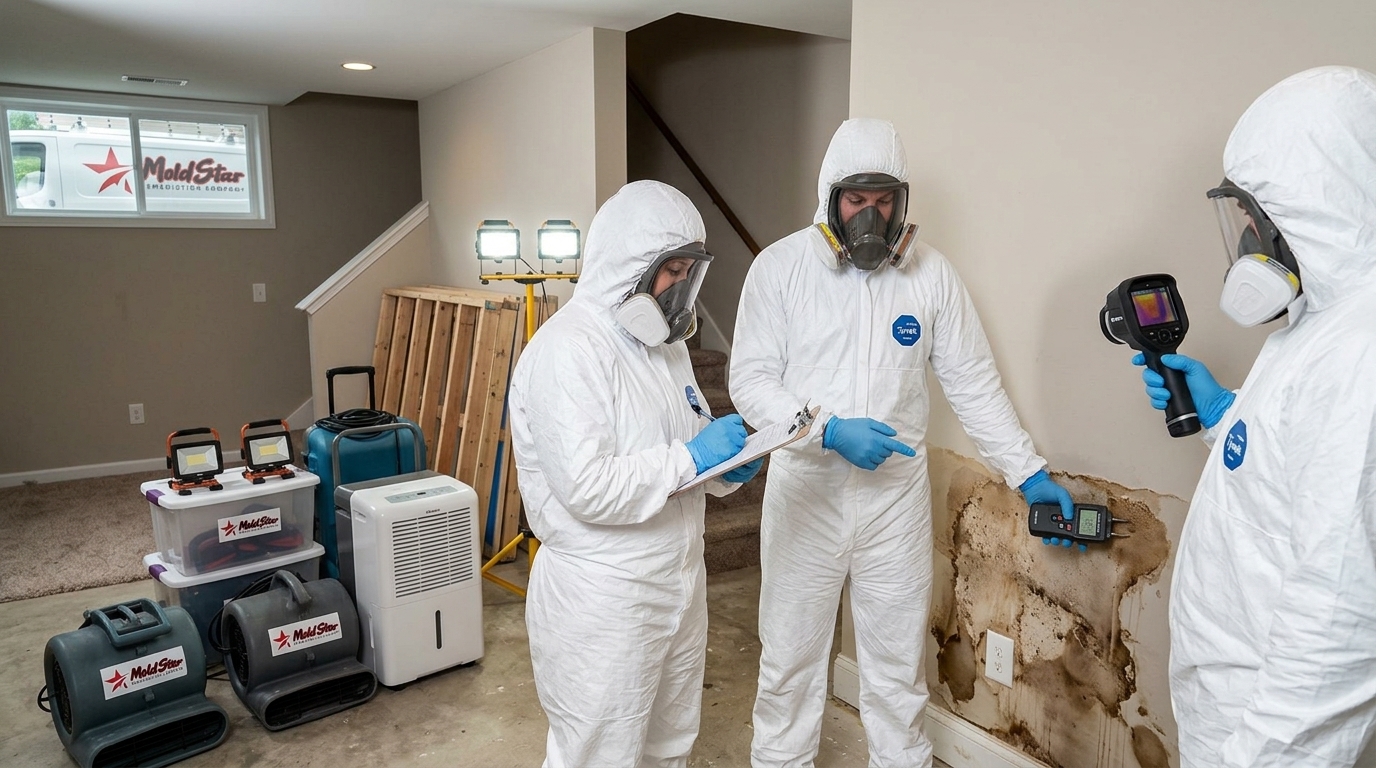
Document what you see. Take clear photos of any visible mold, water damage, staining, or warping. Note which rooms are affected and whether you notice musty odors. This information helps a remediation professional understand the scope before they arrive.
Call for a professional inspection. A certified mold professional can identify the type of mold, determine the extent of growth (including behind walls and in hidden areas), and develop a remediation plan. At MoldStar Remediation, we’ve been doing this across Metro Atlanta since 2009. We’re IICRC certified and we know Georgia homes inside and out.
Don’t wait. Mold doesn’t stop growing on its own. The longer you wait, the further it spreads, the more damage it does to your home, and the more it costs to fix. What might be a straightforward remediation today could become a major project in a few months.