
How Plumbing Leaks Lead to Mold in Marietta Homes: Q&A with K L Contractor Plumbing Inc
At MoldStar Remediation, we see it daily throughout Atlanta and Marietta. A small, hidden water leak goes unnoticed for months until it transforms into a serious mold problem threatening your property and health. Our IICRC-certified team specializes in safe mold removal and remediation, restoring your indoor air quality to healthy standards. However, we frequently partner with skilled professionals to address the root cause first: the moisture source itself. To help property owners understand the critical connection between plumbing failures and mold prevention, we interviewed K L Contractor Plumbing Inc, a trusted Marietta-based company with over 20 years of experience serving Cobb County. They shared insights about common leaks that trigger microbial growth, early detection methods, and protective strategies for Metro

Health Risks at Stachybotrys Dangerous Levels: What You Need to Know
Are you worried about the health risks of Stachybotrys, also known as black mold? Identifying Stachybotrys dangerous levels of this toxic fungus is essential for safeguarding your health. In this article, you will learn how to spot harmful mold concentrations, recognize signs of Stachybotrys, and take steps to prevent its growth in your home. Key Takeaways Stachybotrys chartarum, or black mold, poses serious health risks through the release of toxic metabolites, thriving in damp environments and water-damaged buildings. Identifying dangerous levels of Stachybotrys requires visual inspections and specific tests to ensure safety and health, as well as recognizing signs like musty odors and dark patches on surfaces. Preventive measures, including moisture control and regular inspections, are crucial for reducing black
Can Mold Make You Lose Weight? Understanding the Health Connections
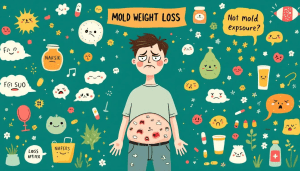
Can mold make you lose weight? Surprisingly, yes. Mold exposure can lead to unexpected weight loss by affecting your metabolism, appetite, digestion, and hormones. This article dives into how mold disrupts these bodily functions and what you can do to manage its impact. Key Takeaways Mold exposure can lead to significant weight loss through metabolic disruptions, appetite impairment, and hormonal imbalances. Common symptoms of mold-related health issues include gastrointestinal distress, chronic fatigue, and inflammation, which can further exacerbate weight loss. Addressing mold-related weight loss requires mold remediation, supporting gut health, and professional medical intervention to restore health and prevent future exposure. How Mold Exposure Can Influence Weight Loss Mold exposure can significantly disrupt normal bodily functions, potentially leading to unexpected
Can Mold in Your House Make You Tired? Discover the Connection
Can mold in your house make you tired? Absolutely. Exposure to mold can disturb your sleep and lead to chronic fatigue. This article will explain how mold affects your energy levels, what symptoms to look out for, and how to manage mold in your home. Key Takeaways Mold thrives in moist, poorly ventilated environments and can lead to significant health risks, including respiratory issues and fatigue. Exposure to mold can disrupt sleep patterns and cognitive function, contributing to chronic fatigue and related symptoms. Preventative measures such as controlling humidity levels and promptly addressing water damage are essential to mitigate mold growth and maintain indoor air quality. Understanding Mold in Your Home Mold is a type of fungus that thrives in

Can Mold Grow Back After Removal? Essential Tips to Keep It Away
Yes, mold can grow back after removal. The short answer: Mold can return if spores remain or moisture issues are not resolved. It often returns if mold spores are left behind or if moisture problems persist. In this article, we’ll explain why mold can grow back after removal and provide practical tips to keep it away for good. Additionally, understanding how and why can mold grow back after removal is crucial for effective prevention. Key Takeaways Mold can regrow after removal due to incomplete cleanup, persistent moisture issues, and hidden mold growth that remains unaddressed. Effective prevention strategies include moisture control, regular inspections, and professional mold remediation to maintain a mold-free environment. Professional services utilize advanced tools and techniques to

Is Mold in the Bathroom? It Might Be Your Plumbing’s Fault
Is mold in your bathroom a recurring issue? If so, it might be your plumbing’s fault. Leaky pipes, slow drains, and toilet base leaks can create the perfect environment for mold growth. This article will detail how these plumbing problems contribute to mold in the bathroom; it might be your plumbing’s fault and offer tips to fix them. Key Takeaways Leaky plumbing and insufficient ventilation are the primary causes of mold growth in bathrooms, underscoring the importance of regular plumbing inspections and effective moisture control. Common signs of mold include musty odors, visible spots, and peeling paint, which should be addressed immediately to prevent health issues and structural damage. Utilizing mold-resistant materials and proper ventilation strategies, such as exhaust fans,

What is Mold Remediation Process: A Detailed Step-by-Step Guide
What is mold remediation process? It’s assessing, removing, and preventing mold in a property. This article will walk you through each step involved. Key Takeaways Mold remediation involves a series of steps including assessment, removal, cleaning, and testing, focusing on controlling mold levels rather than complete eradication. Effective mold remediation is essential for protecting health, especially in vulnerable individuals, and involves thorough inspection, containment, and the use of Personal Protective Equipment (PPE). Post-remediation testing and restoration are crucial steps to ensure safe re-occupancy and prevent future mold growth, with successful remediation determined by comprehensive clearance assessments. Understanding Mold Remediation Mold remediation is a comprehensive process designed to eliminate harmful mold growth from your home or property. This process includes mold

Effective Mold Remediation in Bathroom: Tips to Remove and Prevent Mold
Mold in your bathroom is a common problem due to humidity. This guide covers how to identify, remove, and prevent mold remediation in bathroom situations. Key Takeaways Mold in bathrooms thrives in warm, moist environments, making early identification crucial to prevent health risks. Effective mold remediation involves both natural cleaning solutions for small infestations and professional services for larger problems. Prevention strategies include controlling moisture levels and maintaining a regular cleaning routine to create an inhospitable environment for mold growth. Identifying Mold in Your Bathroom Bathroom mold can be a sneaky intruder, lurking in places you might not immediately think to check. Mold can grow on various materials commonly found in bathrooms, such as: drywall wallpaper paper products rugs fabrics

Effective Mold Removal Protocol: Step-by-Step Guide
Effective Mold Removal Protocol: Step-by-Step Guide Struggling with mold at home or work? This guide outlines a comprehensive mold removal protocol to help you address the issue effectively. Learn how to conduct initial mold assessments, ensure safety, contain the problem, and perform thorough cleaning and prevention. Key Takeaways A thorough initial assessment by certified professionals is crucial for effective mold remediation, identifying moisture sources and extent of contamination. Safety precautions, including the use of appropriate personal protective equipment (PPE), are essential to minimize mold exposure risks during the remediation process. Post-remediation inspection and testing validate the effectiveness of mold removal, ensuring the area is safe for occupancy and preventing future infestations. Understanding Mold Mold is a type of fungus that

Mold Infestation After Sewage Backups: Why Immediate Action and Reliable Help Matter
Sewage backups are a serious problem. They cause damage to property and create health risks. One of the most dangerous issues that follows a sewage backup is mold. Mold grows quickly in wet and dirty conditions, especially when raw sewage is involved. When a backup occurs, the moisture and waste create a perfect place for mold to spread. This article explains how mold grows after a sewage backup, why it happens, and what steps to take. It also highlights the importance of hiring a reliable plumber and a professional mold remediation company like MoldStar Remediation. Introduction to Sewage Backups How Sewage Backups Lead to Mold Infestation Mold needs three things to grow: moisture, organic material, and time. A sewer backup