

Signs of Mold in Your House: What Every Atlanta Homeowner Needs to Know
I’m Jeremy Shelton, owner of MoldStar Remediation in Marietta, GA. I’ve been inspecting and remediating mold in Metro Atlanta homes since 2009, and one thing I can tell you with certainty is this: most homeowners who have mold in their house have no idea it’s there. That’s not a knock on anyone. Mold is sneaky. It grows behind walls, under flooring, and inside air ducts where you’ll never see it unless you know what to look for. And living in Georgia, where humidity regularly tops 80% from May through September, the conditions are practically tailor-made for mold growth. Over the years, I’ve walked into hundreds of homes where the family thought they just had allergies, or that a musty smell
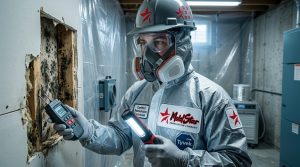
Mold vs Mildew: How to Tell the Difference and Why It Matters
Author: Jeremy Shelton, IICRC Certified Microbial Remediation Technician, ACAC Certified Microbial Consultant Published: April 2026 If I had to name the single most common question homeowners ask me during inspections, it would be this: “Is this mold or mildew?” I hear it almost every day. A homeowner spots something growing on their bathroom ceiling, under the kitchen sink, or along a basement wall. They pull out their phone, search “mold vs mildew,” and try to figure out whether they are dealing with a minor annoyance or a serious problem. I completely understand. Both are fungi. Both grow in damp spaces. And at first glance, they can look similar. But the difference between mold and mildew is not just academic. It
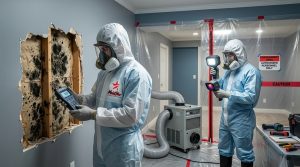
How Much Does Mold Remediation Cost? A Breakdown from an Atlanta Mold Specialist
By Jeremy Shelton, IICRC Certified | MoldStar Remediation, Marietta, GA One of the first questions I hear from homeowners is simple: “How much is this going to cost me?” After running MoldStar Remediation since 2009 and completing thousands of projects across Metro Atlanta, I can tell you that the answer depends on several factors. But I also know that most people searching for mold remediation cost just want a straight answer before they pick up the phone. So here it is. In this guide, I am going to give you the real numbers we see in Cobb, Fulton, and DeKalb counties. No inflated scare tactics, no lowball bait pricing. Just honest ranges based on what we actually charge and what
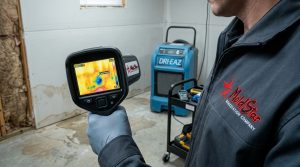
Professional Mold Inspection: What to Expect, What It Costs, and Why It Matters
I’m Jeremy Shelton, an IICRC Certified Microbial Remediation Technician and ACAC Certified Microbial Consultant. I run MoldStar Remediation in Marietta, GA, and over the years I have helped hundreds of Metro Atlanta homeowners deal with mold problems that started with one simple step: a professional mold inspection. A mold inspection is the single most important thing you can do if you suspect mold in your home. It tells you whether mold is present, what species you are dealing with, how widespread the contamination is, and what needs to happen next. Without it, you are guessing. And guessing with mold can mean spending thousands on unnecessary remediation or, worse, ignoring a problem that is quietly destroying your home and affecting your
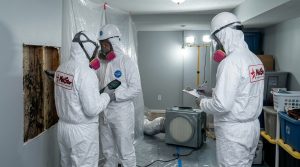
Does Homeowners Insurance Cover Mold Removal and Remediation?
One of the most common questions I hear from homeowners in Metro Atlanta is: “Does homeowners insurance cover mold?” After more than 17 years of running MoldStar Remediation, I can tell you the answer is never as simple as yes or no. It depends on what caused the mold, how your policy is written, and how quickly you responded to the problem. I am Jeremy Shelton, IICRC Certified Microbial Remediation Technician and owner of MoldStar Remediation in Marietta, Georgia. I have worked alongside hundreds of homeowners navigating mold insurance claims, and I have seen the full range of outcomes. Some families get their entire remediation covered. Others get denied on day one. This guide breaks down when insurance typically covers
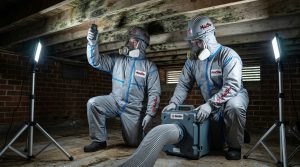
Crawl Space Mold: The Complete Atlanta Homeowner’s Guide to Removal, Prevention, and Cost
By Jeremy Shelton, IICRC-Certified Mold Remediation Specialist | MoldStar Remediation, Marietta, GA If you own a home in Metro Atlanta, there is a very good chance your crawl space is hiding a mold problem right now. I say that not to scare you, but because I have personally crawled under hundreds of Georgia homes over the years, and crawl space mold is the single most common issue I encounter. It is not even close. Georgia’s climate is practically designed to breed mold in crawl spaces. Our brutal summer humidity, warm soil temperatures, and the way most homes in this region were built create the perfect storm. The red clay holds moisture like a sponge. Ventilation systems that were considered standard
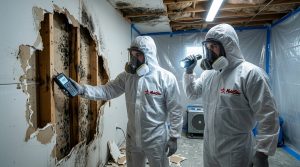
Black Mold Removal: A Complete Guide From an Atlanta Remediation Expert
If you have searched “black mold removal” or “how to remove black mold,” you are probably worried. Maybe you found dark, splotchy growth in a bathroom, crawl space, or behind drywall. I understand the concern, and I want to help you separate fact from fear. My name is Jeremy Shelton, owner of MoldStar Remediation in Marietta, GA. I have been performing mold remediation across Metro Atlanta since 2009, and I hold IICRC certification in Applied Microbial Remediation. Here is the truth most articles will not tell you: not all dark-colored mold is the infamous Stachybotrys chartarum, and not all Stachybotrys is the instant health catastrophe the internet makes it out to be. That does not mean you should
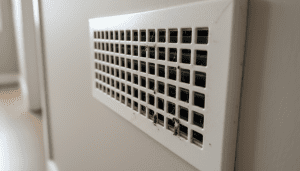
Can Mold Grow On Metal Surfaces? Expert Analysis
Can mold grow on metal surfaces in your home? The short answer is yes, but not in the way most people expect. This guide is for homeowners, renters, and building managers who want to understand the risks of mold on metal and how to prevent it so they can protect their health and property. Mold does not grow directly on bare metal as a food source, yet under the right conditions it can spread across buildup that sits on metal and cause real mold problems for homeowners. This guide is for homeowners, renters, and building managers who want to understand the risks of mold on metal and how to prevent it, ensuring a healthier indoor environment. Can Mold Really Grow

Does Mold Make You Tired? Understanding the Symptoms of Mold Exposure
Many people living in a moldy environment notice persistent fatigue and brain fog and start to wonder, “Does mold make you tired?” Mold exposure can affect multiple systems in the body and is well known for causing respiratory problems and allergic reactions, but it may also contribute to chronic fatigue, difficulty concentrating, and other symptoms in sensitive individuals. Mold is a fungus that spreads by releasing microscopic mold spores into indoor environments, where they can land on damp materials and start mold growth. Over time, breathing these spores in a confined space can trigger a wide range of symptoms of mold exposure, especially for people with asthma, mold allergies, or weakened immune systems. What Is Mold Exposure and Mold Toxicity?
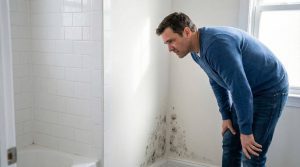
Will Mold Cause Cancer? Understanding Risks and Prevention Strategies
When people discover mold in their home, a common question is whether mold can cause cancer or other serious health problems. Mold is a fungus that thrives in moist environments and spreads by releasing mold spores into the air, which can be found indoors and outdoors. Mold spores travel through the air and can enter your home through doors, windows, vents, and even on clothing and pets, then settle on damp surfaces and start mold growth. While the strongest evidence links mold exposure to respiratory symptoms, allergic reactions, and other health issues, questions about cancer risk arise because some molds produce toxic substances called mycotoxins. Current research suggests that indoor mold exposure can clearly worsen asthma symptoms and other respiratory