Can Mold Really Grow On Metal?
Mold needs a few basic things to grow. It needs moisture, a food source made of organic materials, oxygen, and time. Clean metal is not organic, so mold cannot feed on it. The problem starts when dust, dirt, organic residue, and other organic matter collect on metal surfaces and stay damp. That thin film can provide nutrients and allow mold spores in the air to settle and grow on metal.
In other words, metal is mold resistant but not truly metal mold proof in a real home. If you allow dust and grime to build up on a damp surface, mold growth will follow. This is why you might see mold on metal even though the material itself is non porous.

Why Metal Surfaces Still Get Mold
In real homes and buildings, metal does not stay perfectly clean and dry. Common indoor conditions create a perfect environment for mold to thrive:
- High humidity or excess moisture from daily living
- Condensation on cool metal in warm, humid environments
- Poor ventilation in closed rooms, closets, and utility spaces
- Dust, dirt, and organic debris that collect and provide a food source
Mold thrives when moisture and organic materials are present on a surface for long periods. Humid climates and humid environments like bathrooms, basements, laundry rooms, and some areas around hvac systems are prime spots. Metal may not absorb water the way wood or drywall does, but it can trap moisture on the surface, especially along seams, cracks, and scratches.

How Mold Grows on Stainless Steel and Other Metals
Stainless steel is popular because it is durable and easy to wipe. It is still metal though, so it behaves like other metal surfaces when organic residue is present. In kitchens and laundry rooms, stainless steel often collects grease, soap scum, and food residue. In mechanical rooms, it collects dust and moisture.
Mold does not grow directly into stainless steel, but it will grow on metal when a thin layer of residue is there. The same is true for steel, aluminum, and other metals. For example:
- Steel ducts that sweat due to cold air inside and warm humid air outside
- Aluminum window frames and door tracks where water and dirt sit
- Steel buildings with poor ventilation and high indoor humidity where dust builds up
In each case, spores from the air land on the dirty surface. With enough moisture, they spread and form visible mold on metal.
What Does Mold on Metal Look Like?
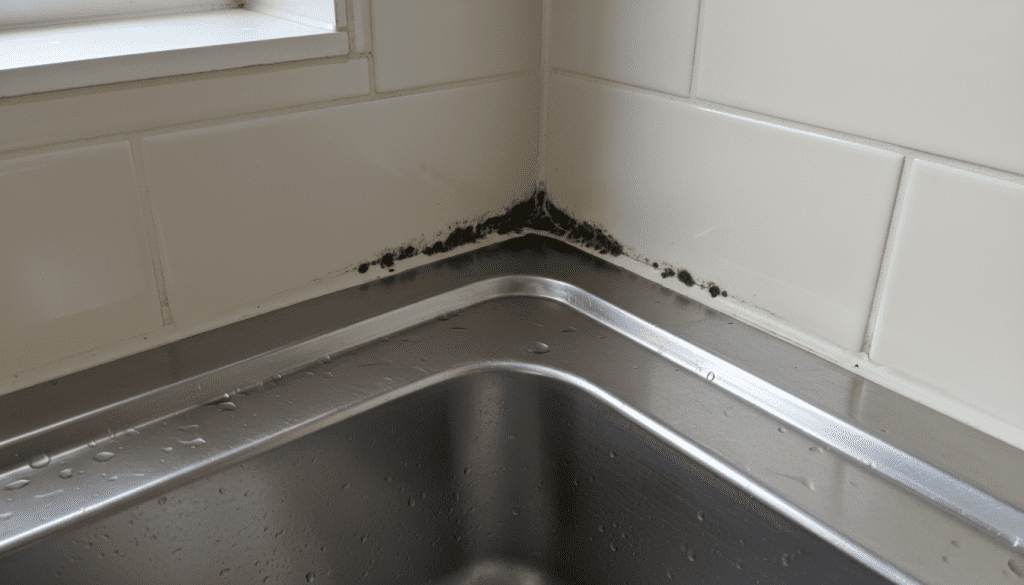
Mold on metal can take several forms. You might see:
- Small black, dark green, or brown dots that cluster together
- White mold patches that look fuzzy or powdery on cooler surfaces
- Thin dark films that smear when you wipe them with a damp cloth
- Growth that follows lines of condensation or the edges of seams and screws
Rust can confuse things. Rust usually looks reddish or orange and flaky. Mold often appears darker, may have a fuzzy texture, and may return after a simple wipe. Sometimes both rust and mold appear together, especially where metal has surface damage or scratches that trap moisture.
A musty smell near vents, pipes, or metal framing is another sign that mold is present even if you do not see much at first glance.

Safe Ways To Clean Small Areas of Mold On Metal
For small, isolated spots of mold on metal, many homeowners can remove mold safely with a careful approach.
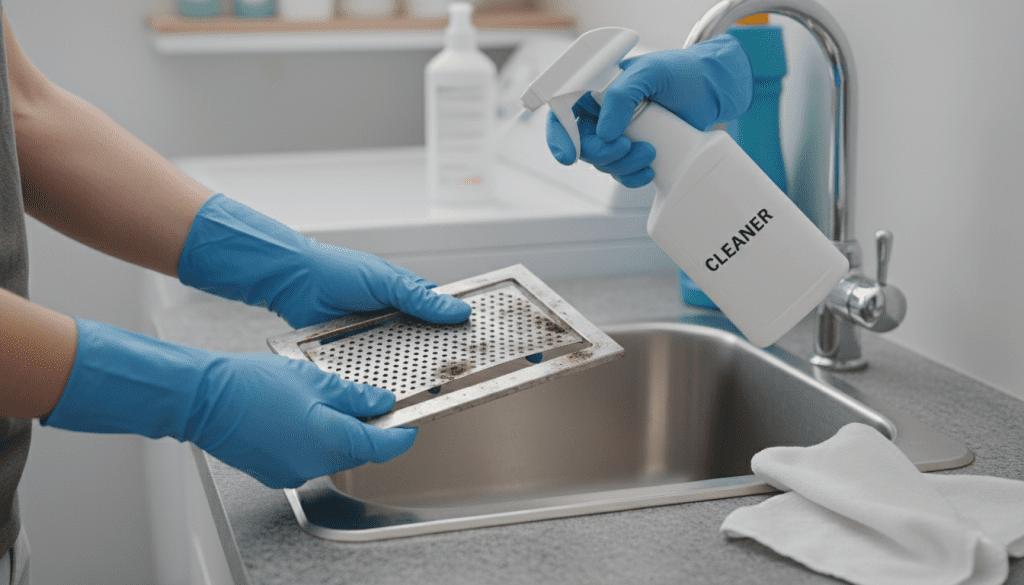
- Protect yourself
Wear non porous gloves and a good quality mask. This helps reduce contact with spores and cleaners. - Limit disturbance
If possible, remove small items such as vent covers and clean them outdoors. Avoid scraping or brushing that sends spores into the air. - Apply cleaner with a spray bottle
Use a spray bottle with a cleaning solution that can cut grease and organic residue. Some homeowners use a mix of white vinegar and warm water for minor growth on metal, but avoid any method that will damage the surface. - Wipe and rinse
Wipe the surface with disposable cloths or cloths you can wash right away. Make sure you clean both the visible mold and the organic residue or organic debris that serve as a food source. Rinse if needed, then wipe dry. - Dry the area completely
Use fans or air movement to dry the surface. Metal can trap moisture in corners and along seams, so check those areas. - Check surrounding materials
Look at nearby drywall, wood, and fabric for signs of mold. If you see discoloration or smell moldy odors beyond the metal area, the problem might be larger than a simple surface cleanup.
If you notice surface growth returning within a short time, that is a sign that the indoor environment is still supporting mold growth.
When Mold On Metal Is a Bigger Problem
There are clear situations where you should stop and call a professional instead of trying to handle it yourself:
- Mold covers a large surface area or stretches along long runs of duct or steel
- Mold appears on metal and nearby drywall, wood, or other porous materials
- There has been water damage, leaks, or long term condensation in the space
- Mold is inside hvac systems, on coils, or in difficult to reach duct sections
- Family members experience repeated allergic reactions or breathing problems that seem related to time spent in the home
In these cases, surface cleaning will not fix the cause. Professional remediation looks at the bigger environment, finds moisture sources, and deals with both visible mold and hidden spread.
How to Prevent Mold On Metal In Your Home
You can prevent mold and protect your home by focusing on moisture control, cleanliness, and air flow.
- Control indoor humidity
Keep indoor humidity in a comfortable range. Use exhaust fans in bathrooms and kitchens and consider a dehumidifier in damp areas. High humidity and excess moisture are prime drivers of mold growth. - Improve air flow and ventilation
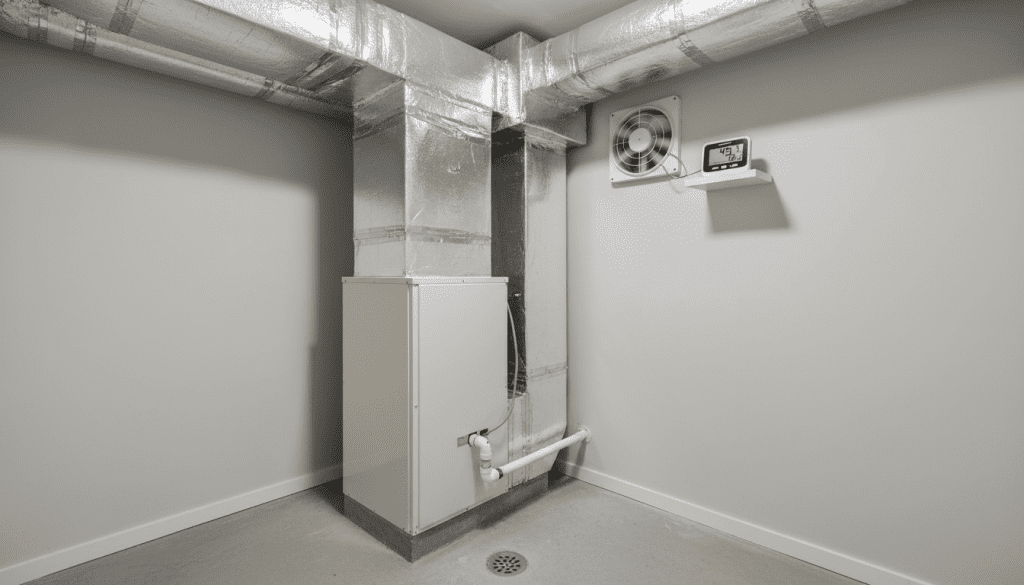
Make sure there is proper ventilation in basements, laundry rooms, and mechanical rooms. Poor ventilation lets humid air sit on metal and trap moisture on surfaces. - Insulate pipes and ductwork
Insulate pipes and cool duct runs in warm spaces. This reduces condensation on steel and other metals and cuts down on damp surfaces that mold can colonize. - Keep metal surfaces clean
Wipe metal surfaces clean on a regular schedule. Focus on stainless steel in kitchens and bathrooms, vent covers, and any exposed metal in humid environments. Removing dust, dirt, and residue takes away the food source that lets mold grow on metal. - Watch for leaks and water damage
Fix small leaks early and check around water heaters, hvac systems, and plumbing regularly. Regular inspections help you catch mold growth and moisture problems before they spread.
By keeping surfaces clean, reducing condensation, and controlling humidity, you prevent mold from finding the right conditions to grow on metal or any other material in your home.
When to Reach Out For Help
If you see mold on metal and you are unsure how deep the problem goes, it is better to ask questions early. A simple inspection can reveal whether the growth is just surface mold or part of a wider issue that might include walls, drywall, wood framing, and other materials.
As an expert in indoor air quality and mold remediation, my goal is to help people understand what they are seeing and choose the right next step. Paying attention to mold on metal is not about fear. It is about reducing risk, protecting your air, and avoiding larger and more expensive mold problems down the road.