Have a Mold Problem? Call us now

Does Mold Make You Tired? Understanding the Symptoms of Mold Exposure

Many people living in a moldy environment notice persistent fatigue and brain fog and start to wonder, “Does mold make you tired?” Mold exposure can affect multiple systems in the body and is well known for causing respiratory problems and allergic reactions, but it may also contribute to chronic fatigue, difficulty concentrating, and other symptoms in sensitive individuals.

Mold is a fungus that spreads by releasing microscopic mold spores into indoor environments, where they can land on damp materials and start mold growth. Over time, breathing these spores in a confined space can trigger a wide range of symptoms of mold exposure, especially for people with asthma, mold allergies, or weakened immune systems.

What Is Mold Exposure and Mold Toxicity?

Mold exposure happens whenever you inhale or come into contact with mold spores or fragments in indoor environments, especially in buildings with visible mold, leaks, or musty odors. In many people this leads to relatively mild health problems such as itchy skin, stuffy nose, and mild asthma symptoms, but some individuals report more complex patterns of mold illness or mold toxicity.

The term mold toxicity is often used when people develop symptoms that go beyond typical allergy symptoms and involve multiple systems in the body. Some functional medicine doctors describe a pattern called Chronic Inflammatory Response Syndrome (CIRS), where ongoing exposure to a moldy environment is thought to trigger a persistent inflammatory response, leading to fatigue, joint pain, muscle aches, brain fog, and mood changes.

Not all clinicians use the same terminology, but there is broad agreement that long‑term exposure to indoor mold and dampness can worsen health issues for certain people, particularly those with asthma, allergies, or compromised immune system function.

Common Symptoms of Mold Exposure

The symptoms of mold exposure can vary widely, but several patterns come up again and again in people who live or work in moldy environments. Common symptoms include:

Respiratory symptoms

  • Coughing, chest tightness, shortness of breath
  • Asthma symptoms such as wheezing and flare‑ups in people with a history of asthma
  • Irritated throat and frequent throat clearing

Allergic reactions

  • Stuffy nose, sneezing, runny nose, and allergic rhinitis
  • Itchy, watery eyes
  • Itchy skin or skin rashes, hives, or redness

Neurological and systemic symptoms

  • Brain fog, poor memory, and difficulty concentrating
  • Headaches and mood disorders such as anxiety, irritability, or mood swings
  • Chronic fatigue or feeling exhausted even after sleep

Some people also report abdominal pain, muscle pain, increased sensitivity to odors, and, in rare cases, more complex conditions like hypersensitivity pneumonitis, which involves inflammation in the lungs. In more vulnerable groups with weakened immune systems, mold exposure can contribute to serious illness and even invasive fungal infections.

How Mold Can Contribute to Chronic Fatigue

When we ask whether mold makes you tired, we are usually looking at how ongoing exposure might contribute to chronic fatigue or chronic fatigue syndrome‑like patterns. Several mechanisms are often discussed:

Ongoing inflammatory response

Repeated exposure to mold spores, fragments, and sometimes mold toxins can trigger a sustained inflammatory reaction in some people. This ongoing immune activation can leave you feeling drained, achy, and foggy, even when you try to rest.

Sleep disruption and poor sleep habits

Symptoms of mold exposure such as stuffy nose, coughing, and chest tightness can interfere with restful sleep. Night‑time congestion and coughing may lead to awakenings, light sleep, and poor sleep habits, which in turn feed into daytime chronic fatigue caused by mold.

Effects on the nervous system

Some individuals report brain fog, difficulty concentrating, changes in brain function, and other cognitive symptoms in moldy environments. There is ongoing research into whether mycotoxins or microbial volatile organic compounds from mold might affect the nervous system, which could help explain symptoms such as memory issues and reduced mental clarity.

Over time, this combination of immune activation, sleep disruption, and nervous system stress can create a pattern of chronic fatigue, persistent fatigue, and wide‑ranging symptoms that may feel similar to or overlap with other complex conditions.

Mold Allergy, Sensitivity, and Mold Illness

For many people, the first step toward mold illness is the development of mold allergies or increasing sensitivity to mold.

Mold allergies

When the immune system reacts to mold spores as allergens, people often experience classic allergy symptoms: sneezing, runny or stuffy nose, itchy eyes, itchy skin, and skin rashes. This allergic pattern is often called allergic rhinitis when it primarily affects the nose and sinuses, and it can worsen sinus health and trigger sinus infections.

Mold sensitivity

Some individuals report that even small amounts of visible mold or a mild musty odor bring on mold exposure symptoms such as fatigue, joint pain, headaches, or brain fog. For these people, being in a moldy environment seems to develop symptoms quickly, suggesting a heightened sensitivity.

Progression toward more complex mold issues

In a subset of people, particularly those with a compromised immune system, pre‑existing respiratory conditions, or other underlying vulnerabilities, ongoing exposure can contribute to more complex patterns described as mold illness or mold toxicity, where symptoms involve multiple systems across the body.

Because the experience of mold‑related illness is so individualized, it is important to consider both environmental factors and personal health history when trying to identify the root cause of symptoms.

Where Indoor Mold Grows and Why It Matters

You are more likely to develop symptoms of mold if you live in a home or work in a building where mold growth is ongoing and not addressed. Mold tends to grow in:

  • Bathrooms and kitchens with poor ventilation
  • Basements, crawl spaces, or attics with high humidity or leaks
  • Around windows, roofs, and plumbing lines with chronic moisture
  • On porous materials such as drywall, ceiling tiles, carpeting, and insulation

Even if the visible mold looks small, hidden growth behind walls, under flooring, or in HVAC systems can keep mold spores circulating, leading to continuing mold exposure and health problems.

The Environmental Protection Agency (EPA) advises controlling indoor moisture, using exhaust fans, and fixing leaks promptly to prevent mold and protect air quality. Keeping humidity in a healthy range and addressing water damage quickly are key steps to reducing indoor mold and related health issues.

Professional basement waterproofing and basement humidity control solutions can significantly reduce moisture problems that lead to mold growth in lower levels of your home.

Testing, Mold Removal, and Mold Remediation

If you suspect that mold exposure is contributing to chronic fatigue or other symptoms, both the body and the building may need attention.

For the building:

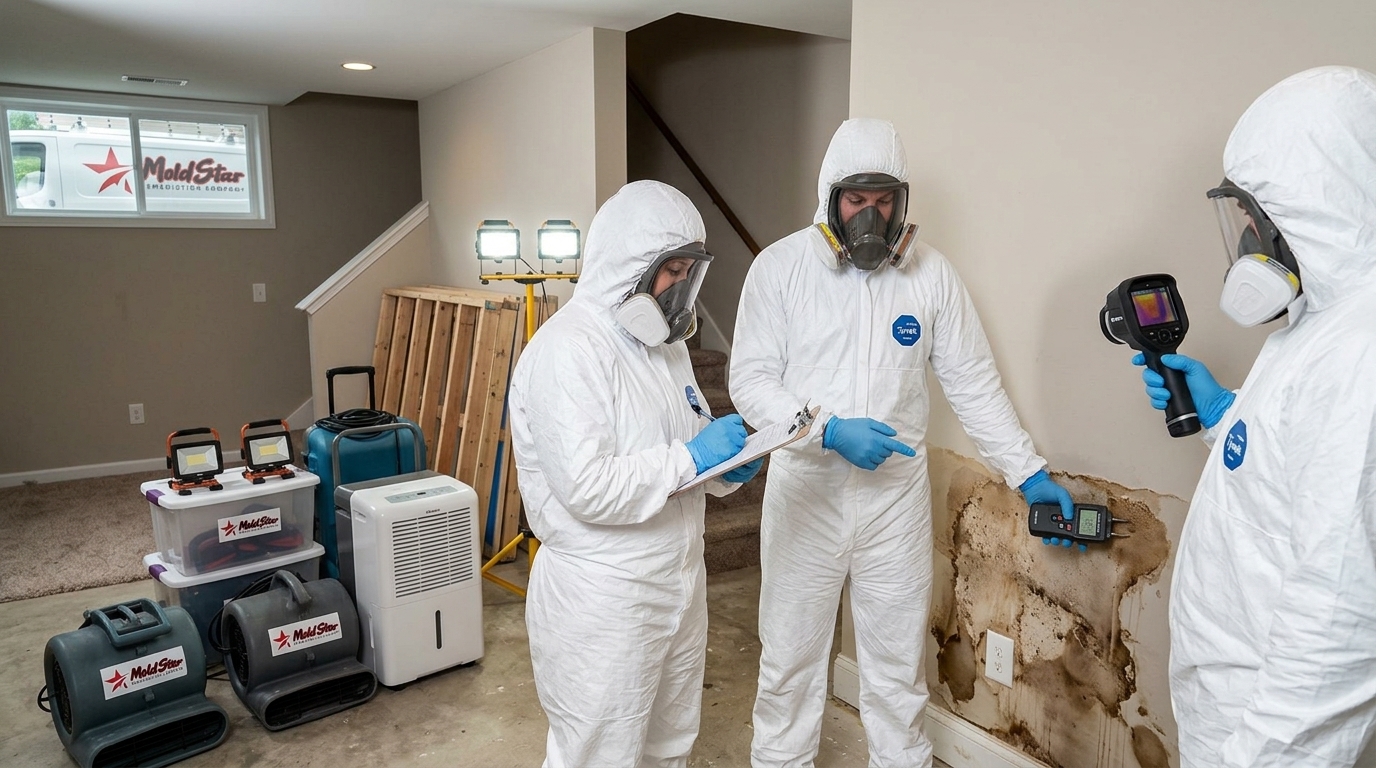
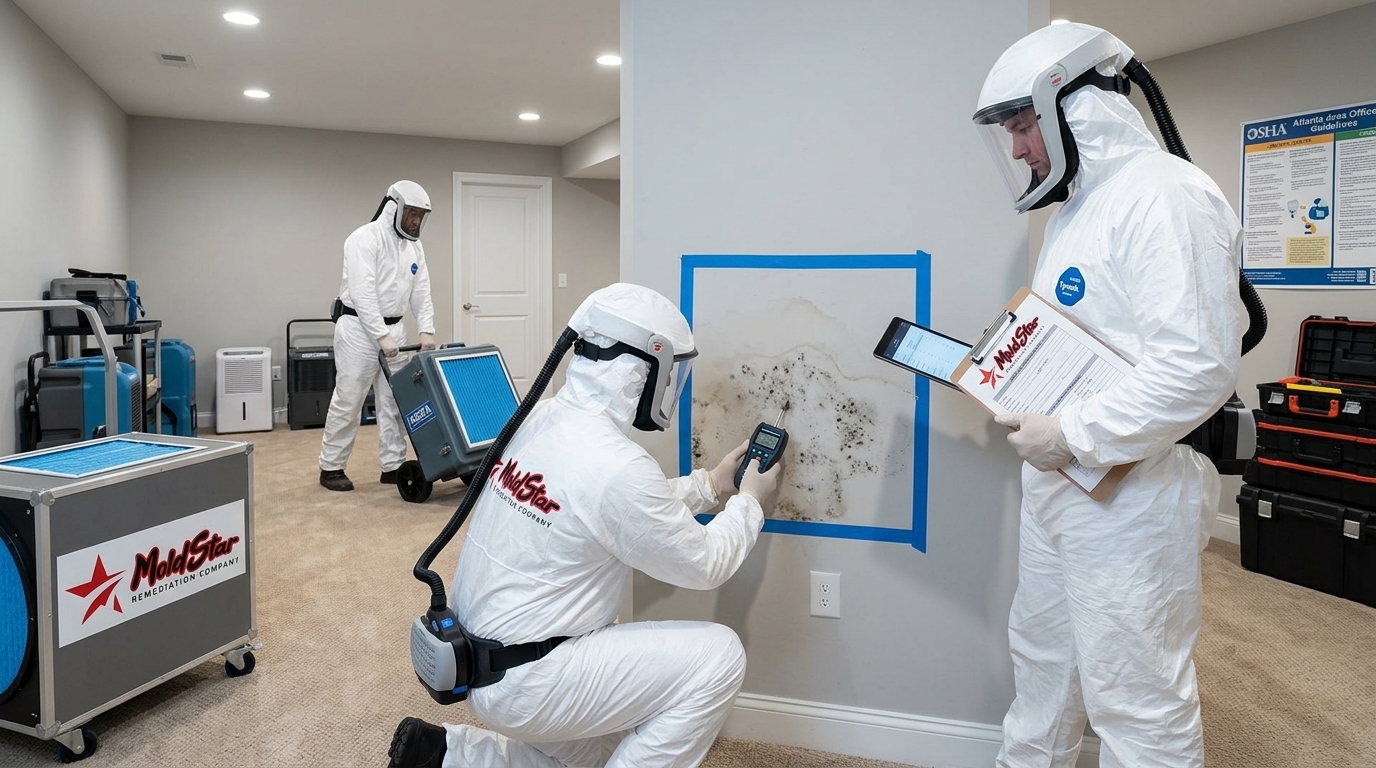
Consider professional mold testing and inspection if there is a history of leaks, flooding, or unexplained musty odors.

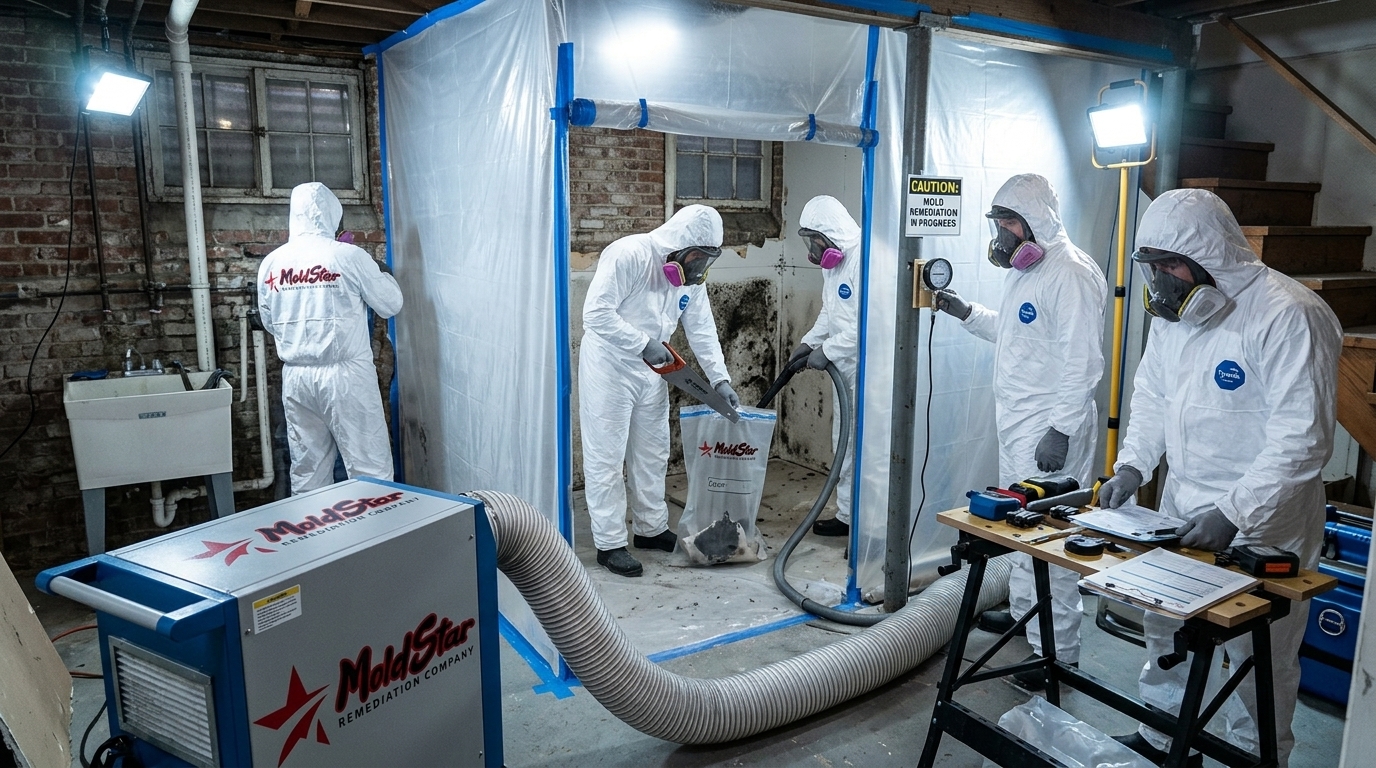
If significant mold is found, mold removal and professional mold remediation are often necessary, especially for larger or hidden problems.

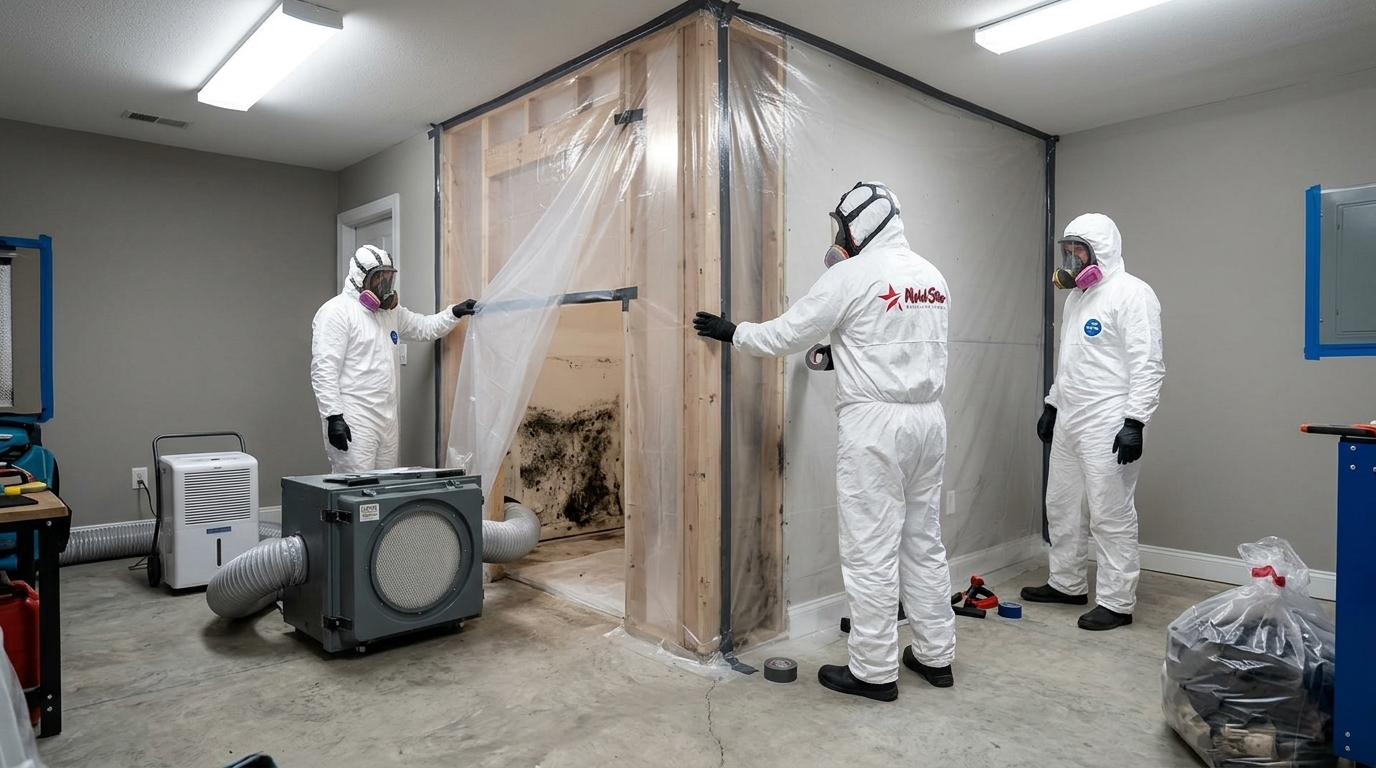
Effective remediation includes identifying and correcting moisture sources, safely removing contaminated materials, and cleaning the affected area to reduce spores in the air. For properties with ongoing moisture issues, crawl space encapsulation can provide long-term protection against mold growth.

For the body:

Work with healthcare professionals, such as primary care physicians or functional medicine doctors, to evaluate symptoms of mold exposure and rule out other causes of fatigue and illness.

In some cases, clinicians may recommend blood tests or additional evaluations to look at allergy patterns, immune responses, or other aspects of health.

Any medical treatment should be guided by qualified healthcare providers; home remedies or unproven detox methods should be approached with caution, particularly in people with significant or complex health problems.

Protecting Your Immune System and Reducing Symptoms

Because mold can strain the immune system, especially with long‑term exposure, protecting overall health is an important part of reducing symptoms. General strategies often include:

  • Improving sleep and sinus health by addressing congestion and environmental triggers
  • Eating a balanced diet that supports immune and energy systems
  • Managing stress to reduce overall inflammatory response
  • Limiting additional environmental triggers for multiple chemical sensitivity or other sensitivities in vulnerable individuals

Most importantly, reducing or eliminating exposure to the moldy environment is central to improving chronic fatigue, brain fog, and other symptoms that may be driven by mold exposure.


About MoldStar Remediation

MoldStar Remediation helps homeowners and businesses in Marietta, East Cobb, and the greater Atlanta area address mold growth, water damage, and indoor air quality issues that can contribute to mold exposure symptoms, fatigue, and other health problems. Our role is to:

  • Identify visible and hidden indoor mold using detailed inspection methods
  • Provide professional mold remediation to safely remove contaminated materials and reduce mold spores in indoor environments
  • Help correct moisture, ventilation, and building issues so that mold is less likely to return and continue to affect your health

We also document our findings so you can share them with your healthcare providers or other professionals if needed. If you’re experiencing water damage that could lead to mold growth, our emergency water damage cleanup services are available 24/7 to respond quickly and prevent mold from developing.

Medical Disclaimer

This article is for informational purposes only and is not a substitute for professional medical advice, diagnosis, or treatment. If you are experiencing chronic fatigue, brain fog, breathing problems, or any other concerning symptoms, consult a qualified healthcare provider. Never ignore or delay medical advice because of something you read online, including information about mold exposure and mold toxicity.