Types of Mold and Why They Matter

There are many types of mold that can be found indoors, and each carries different potential health risks. Mold that is found indoors often includes species such as black mold (Stachybotrys chartarum), Aspergillus, and Penicillium, all of which can release tiny spores into the air.
- Black mold (Stachybotrys chartarum)
Often referred to as “toxic mold,” this dark‑green to black species is associated with long‑term water damage and chronically damp areas. Black mold exposure has been linked to respiratory symptoms, allergic reactions, and significant health concerns, especially in people with a weakened immune system or pre‑existing respiratory issues. Some strains can produce mycotoxins, which is why people worry about long‑term, high‑level exposure and potential cancer risk. - Aspergillus and allergic bronchopulmonary aspergillosis
Aspergillus is a common indoor mold that can cause allergic reactions and asthma symptoms. In some individuals, particularly those with asthma or cystic fibrosis, it can lead to allergic bronchopulmonary aspergillosis, a condition where the immune system overreacts in the lungs. In people with severely weakened immune systems, Aspergillus can cause serious fungal infections that may be life threatening. - Other common indoor molds
Other species commonly found indoors can trigger health effects such as nasal irritation, itchy eyes, cough, and worsening asthma attacks. The overall impact depends on the level of mold exposure, the duration of exposure, and the person’s underlying health conditions.
These molds do not affect everyone the same way, but high concentrations of indoor mold and continued exposure in damp areas can cause negative health effects for many people, especially those with asthma, allergies, or a weakened immune system.
Indoor Mold, Health Effects, and Cancer Concerns

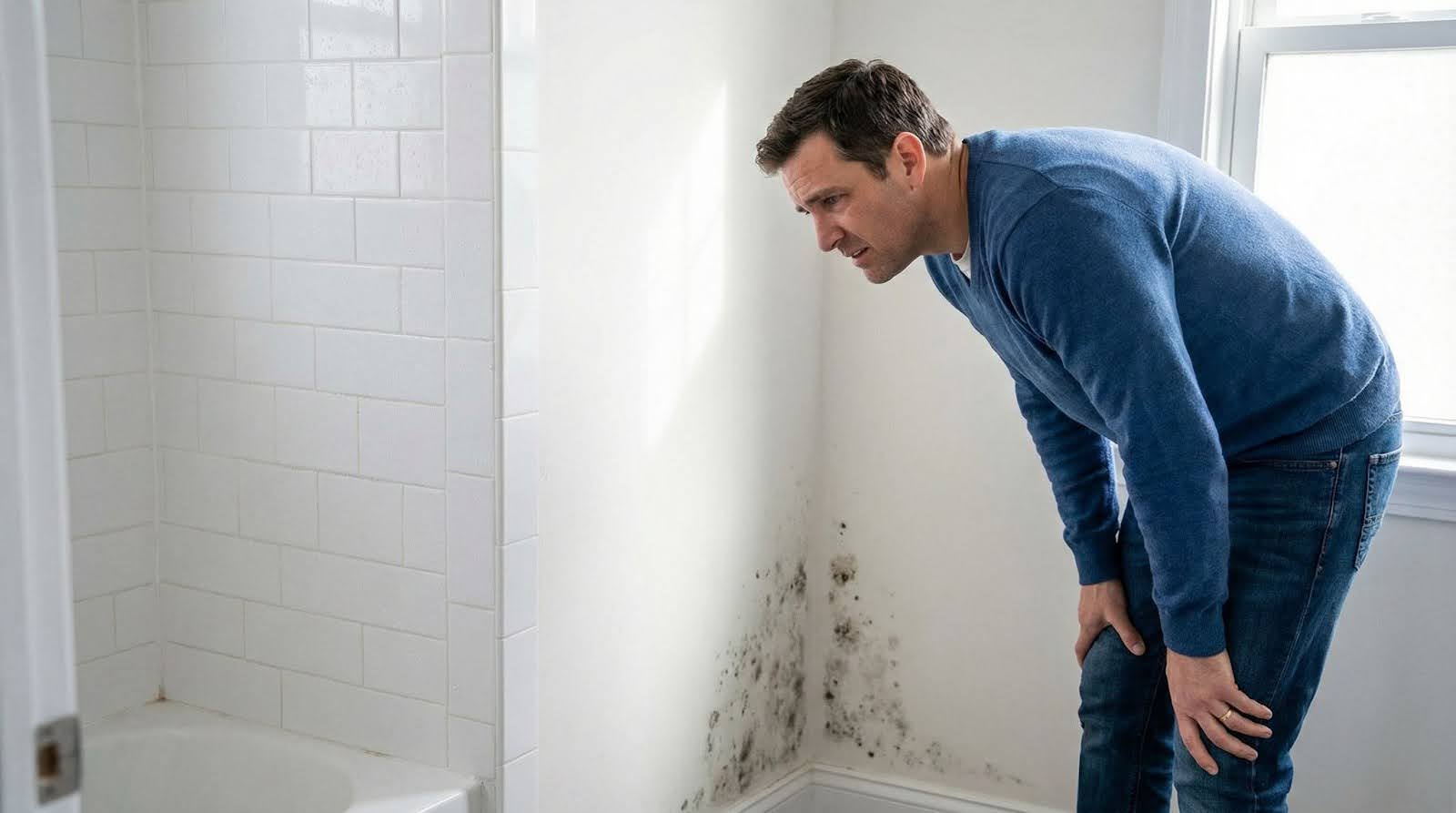
Indoor mold often grows in damp areas such as bathrooms, basements, crawl spaces, kitchens, and the laundry room, especially where there is poor proper ventilation, leaks, or high humidity levels. Mold can thrive on materials like drywall, wood, ceiling tiles, and carpeting when they stay wet or damp.
Typical health effects of mold exposure can include:
- Sneezing, nasal congestion, and allergic reactions
- Coughing, wheezing, and asthma symptoms or asthma attacks
- Sore throat, irritated eyes, and skin rashes
- Worsening of existing respiratory conditions
In more serious cases, especially after prolonged mold exposure in heavily contaminated environments, some people may develop conditions such as hypersensitivity pneumonitis or chronic inflammatory lung problems. In vulnerable individuals, severe mold‑related lung infections and complications can, over time, contribute to scarring and conditions like pulmonary fibrosis, which can be very serious.
Regarding cancer:
- Certain mycotoxins (for example, some produced by Aspergillus on foods) are known to be carcinogenic in high doses and have strong links to cancers like liver cancer in dietary exposure scenarios.
- For normal residential indoor mold, the evidence that mold in your home directly and commonly causes specific cancers such as lung cancer is limited and not clearly established.
- Given the potential of some mycotoxins and the clear, documented health risks from dampness and mold, public health guidance generally encourages reducing mold exposure as a precaution, especially for people with a weakened immune system or other serious health conditions.
In short, professional mold remediation addresses serious health problems, particularly respiratory issues and infections. While certain mycotoxins are known carcinogens in other settings, typical household exposure is better understood as a significant respiratory and allergy risk rather than a confirmed direct cause of cancer. According to the Centers for Disease Control and Prevention (CDC), prompt action to remove mold and fix moisture problems is essential for maintaining healthy indoor air quality.
How to Reduce Exposure and Prevent Mold in Your Home

Regardless of the exact cancer risk, health agencies agree that living with visible mold and ongoing dampness is not healthy and can pose significant health risks for many people. The best strategy is to reduce exposure and prevent mold from taking hold.
Practical steps include:
- Control moisture and repair leaks
- Fix roof leaks, plumbing leaks, and foundation seepage quickly.
- Check around sinks, tubs, toilets, and the laundry room for hidden moisture.
- Ensure gutters and grading direct water away from the home.
- Improve ventilation and humidity control
- Use exhaust fans in bathrooms and kitchens to remove moisture.
- Use air conditioning and dehumidifiers to keep indoor humidity in a comfortable range, generally below about 50 percent.
- Open windows when weather permits to improve air flow, as long as outdoor humidity is not extremely high.
- Consider professional basement humidity control services to maintain optimal moisture levels in below-grade spaces.
- Clean and dry damp areas promptly
- Dry small spills and damp surfaces within 24 to 48 hours.
- Discard porous materials that remain moldy or saturated, such as heavily affected ceiling tiles, carpet pad, or drywall.
- On non‑porous hard surfaces, small areas of mold may sometimes be cleaned with appropriate protection, but extensive contamination should be evaluated by professionals.
- For water damage situations, emergency water damage cleanup services can prevent mold from developing in the first place.
- Know when to seek help
- If there is a musty smell, visible wide‑spread mold growth, or ongoing water problems, professional assessment is usually appropriate.
- People with significant symptoms, such as persistent asthma symptoms, unusual health conditions, or suspected lung infections, should see qualified health care providers and may benefit from evaluation by a board‑certified physician familiar with environmental exposures.
- Crawl space encapsulation can be an effective long-term solution for preventing moisture and mold in below-grade areas.
By focusing on moisture control, ventilation, and timely repairs, you greatly reduce the chance of mold taking hold and minimize potential health risks from continued exposure.
About MoldStar Remediation

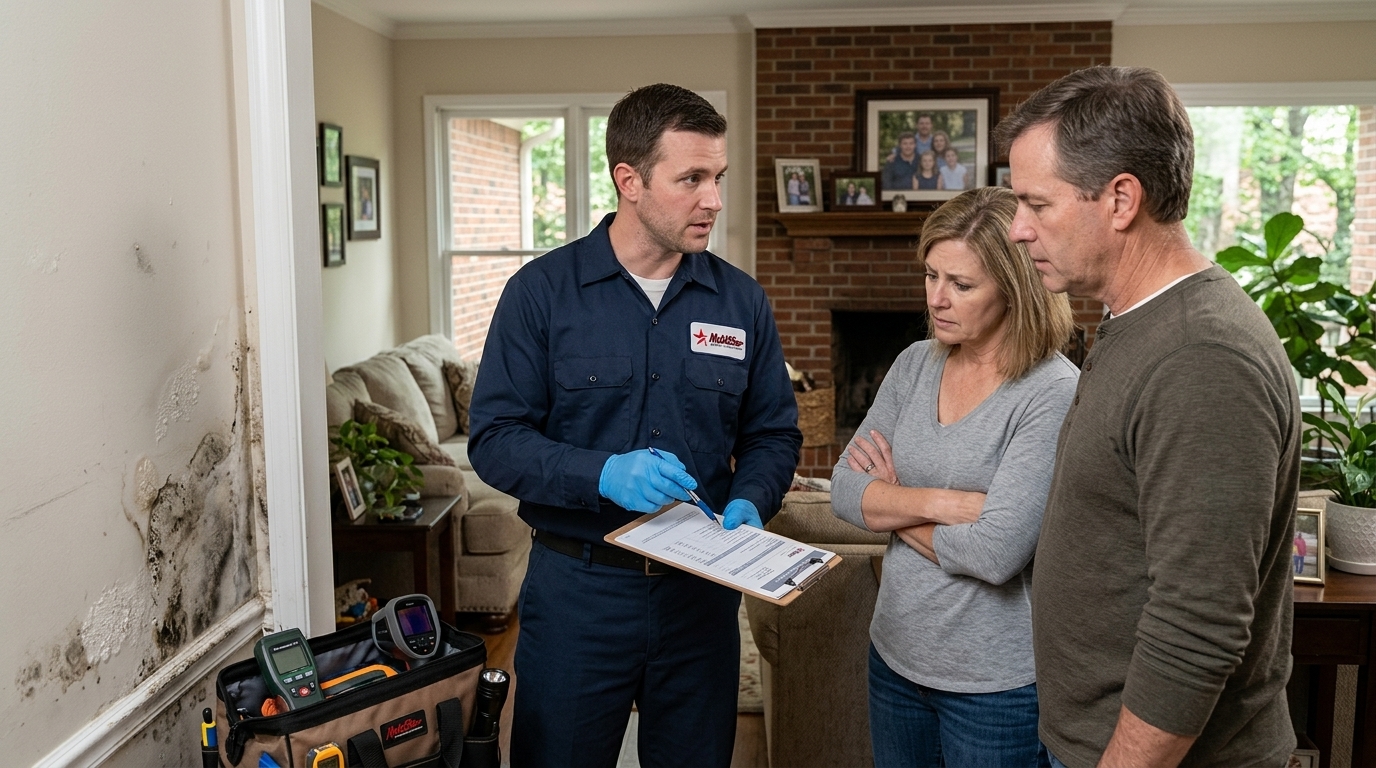
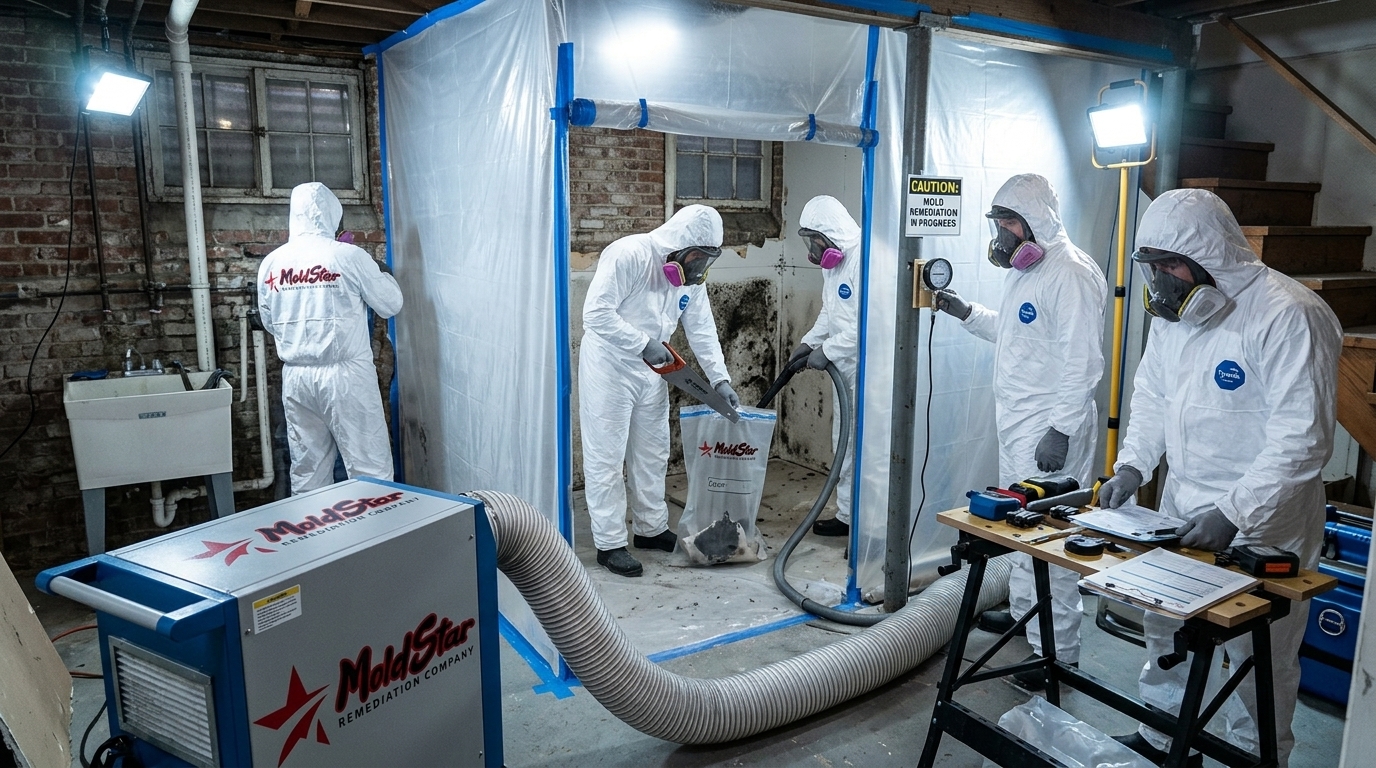
MoldStar Remediation helps homeowners and businesses in Marietta, East Cobb, and the greater Atlanta area address mold in your home, water damage, and related health concerns. Many of our clients are dealing with indoor mold that has developed in damp areas like basements, crawl spaces, bathrooms, and laundry rooms, and our role is to locate, remove, and prevent further mold growth using proven methods.
Our team:
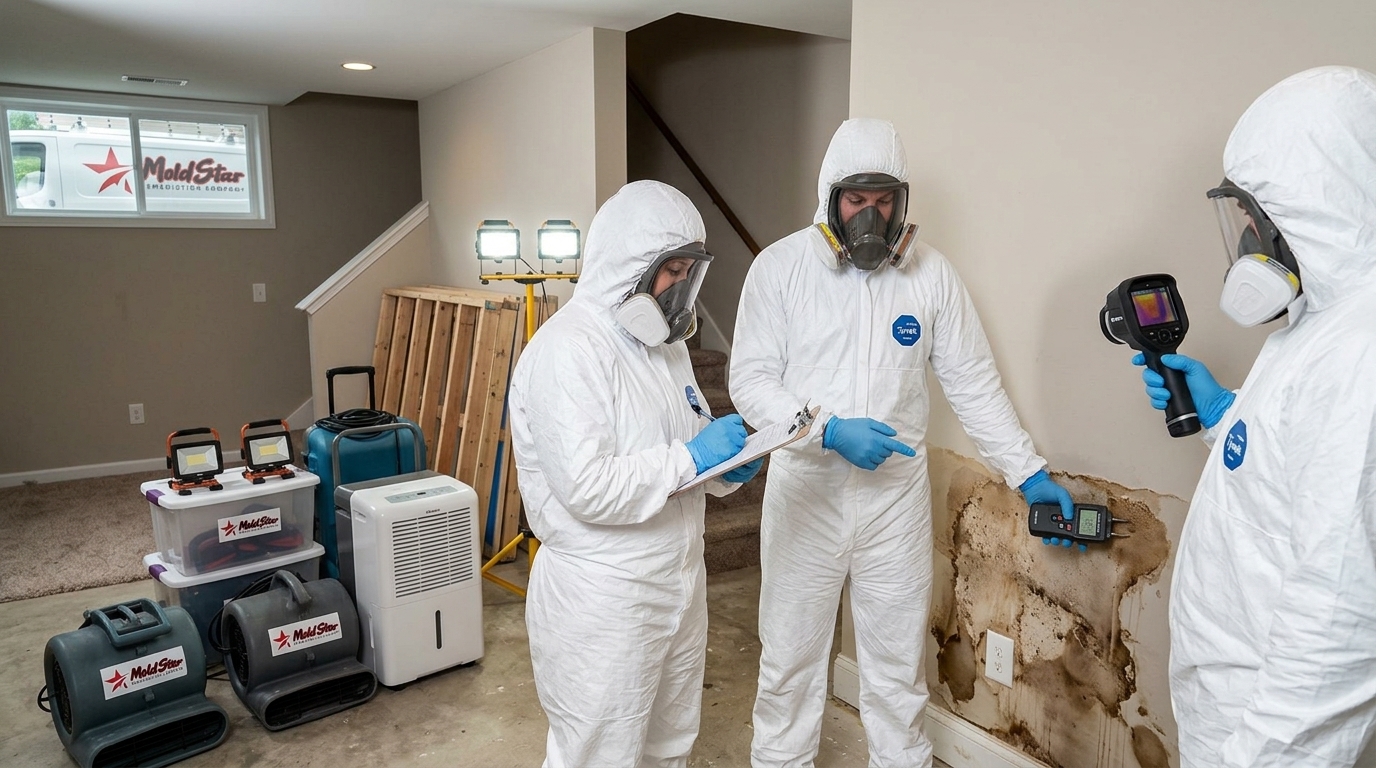
- Performs detailed inspections to identify visible and hidden mold, moisture sources, and affected areas.
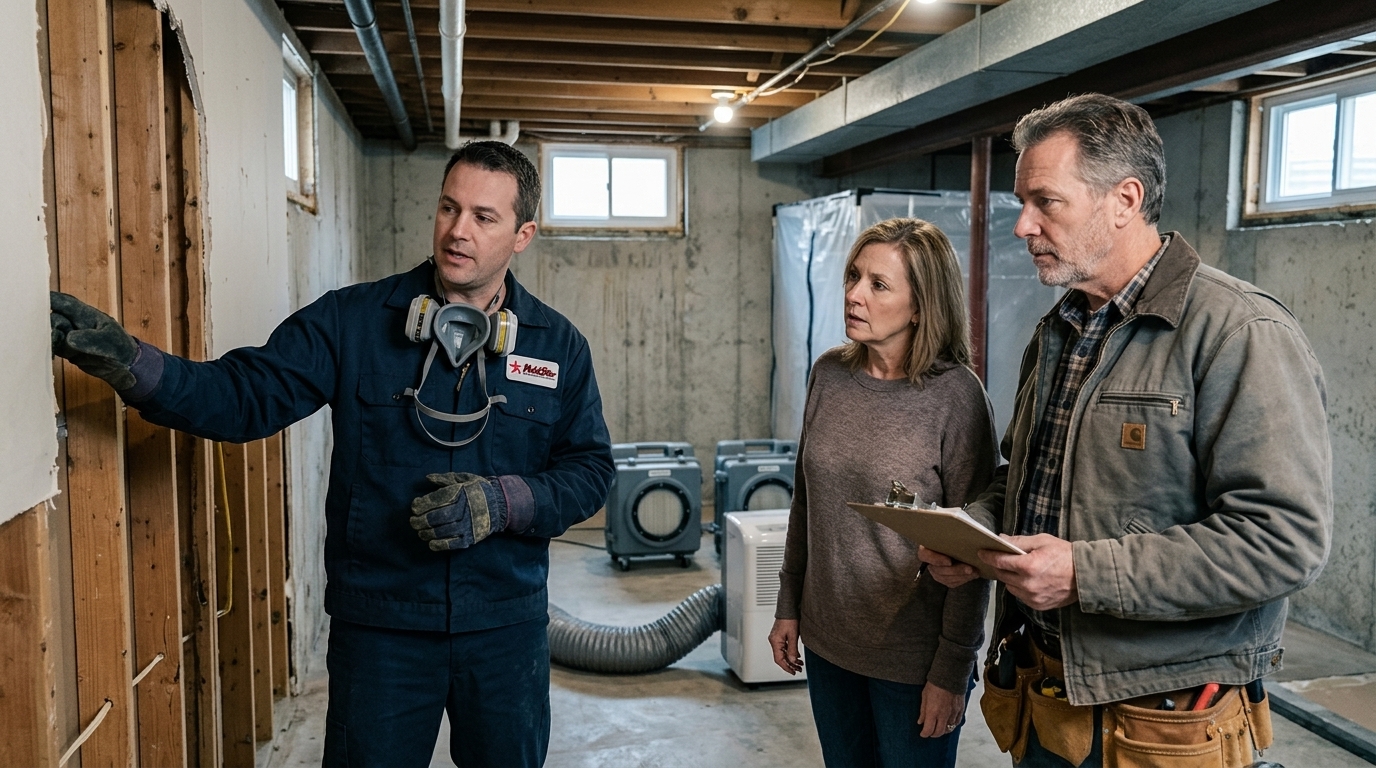
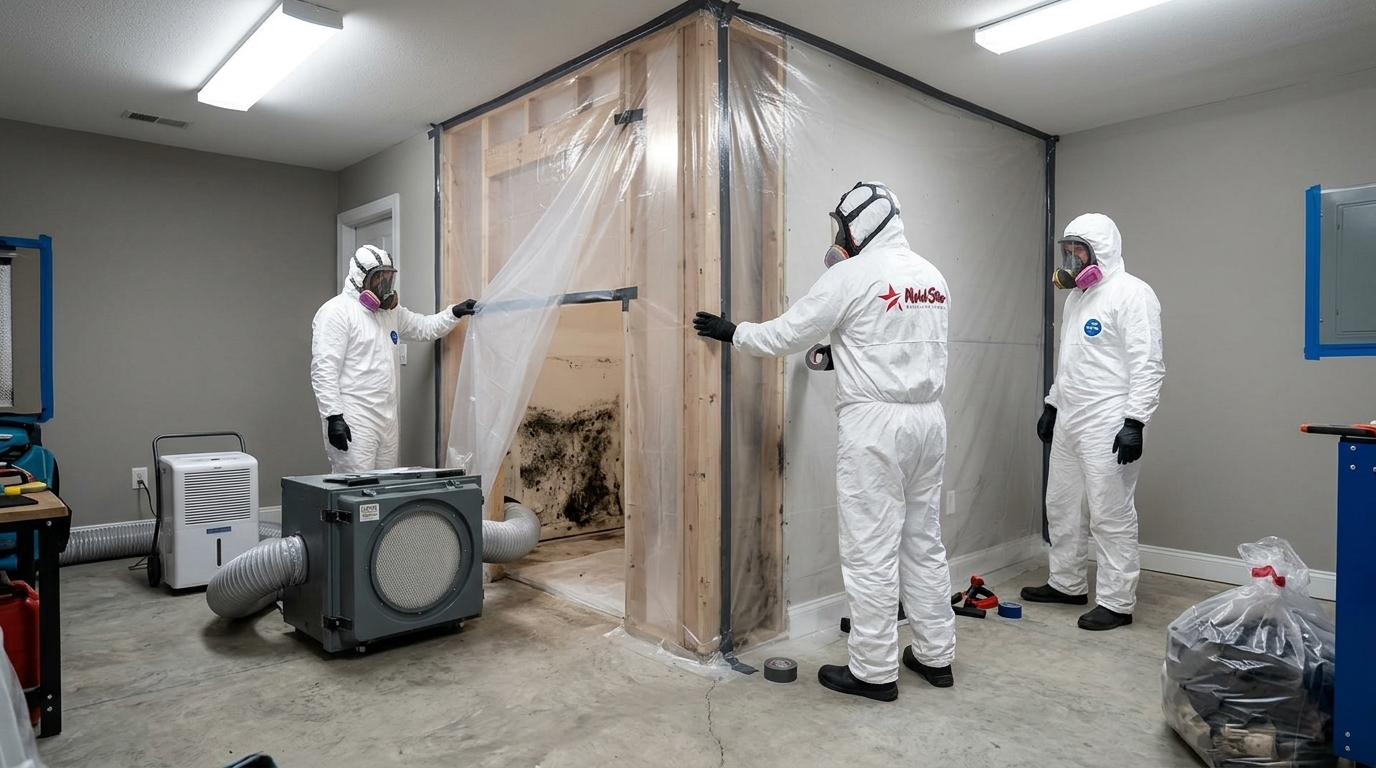
- Uses containment, HEPA filtration, and professional cleaning techniques to safely remove mold and reduce airborne mold spores.
- Focuses on fixing underlying moisture issues so that mold does not simply grow back after cleanup.
We work closely with homeowners, tenants, and when needed, medical or legal professionals as part of a broader plan to reduce exposure and improve indoor environments.