Start with the extent of the problem
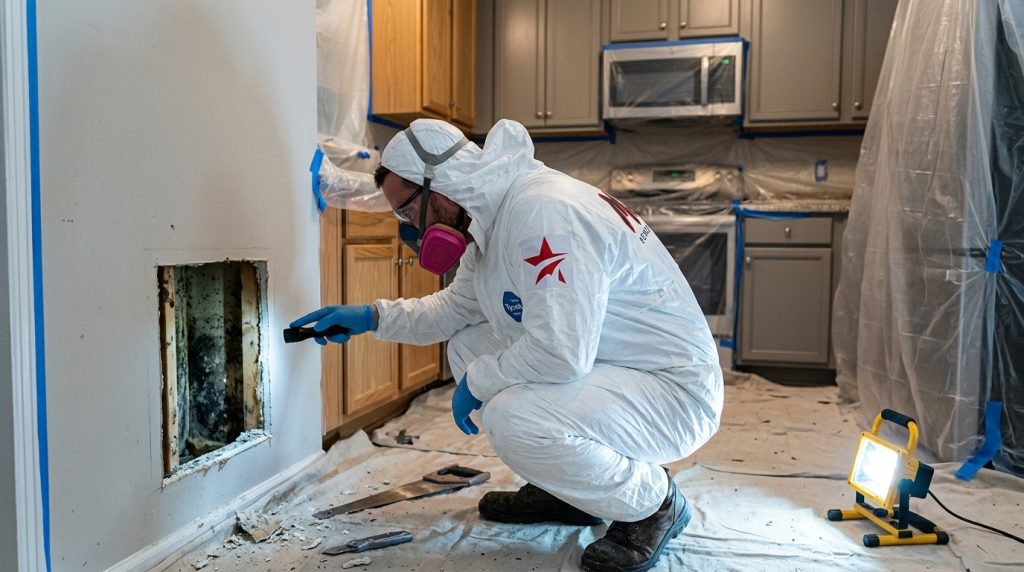
The visible area is a starting point, not necessarily the full scope. A contractor may need to evaluate adjacent materials or explain why additional access is recommended. The estimate should identify what is known and what remains uncertain.
Ask which rooms and materials are included. Does the proposal address a particular wall cavity, a crawl space, or several areas? Does it include moving contents or accessing concealed material? If further findings could change the price, the change process should be stated.
Avoid comparing proposals that use different assumptions about the affected area. Ask the contractors to explain those differences. One may have evaluated a broader scope; another may be quoting only the visible surface.
Separate moisture-source repair from remediation
The reason materials became wet needs attention alongside the mold work. A plumbing leak, roof issue, drainage condition, or other moisture problem may require a different trade or a separate scope.
An estimate should say whether that corrective work is included, excluded, or still awaiting diagnosis. Do not assume a remediation price includes every repair that contributed to the condition.
The EPA’s guide to mold and moisture emphasizes addressing moisture as part of dealing with mold. For your project, translate that principle into a named responsibility: who repairs the source, what evidence of completion is provided, and when the next stage can proceed.
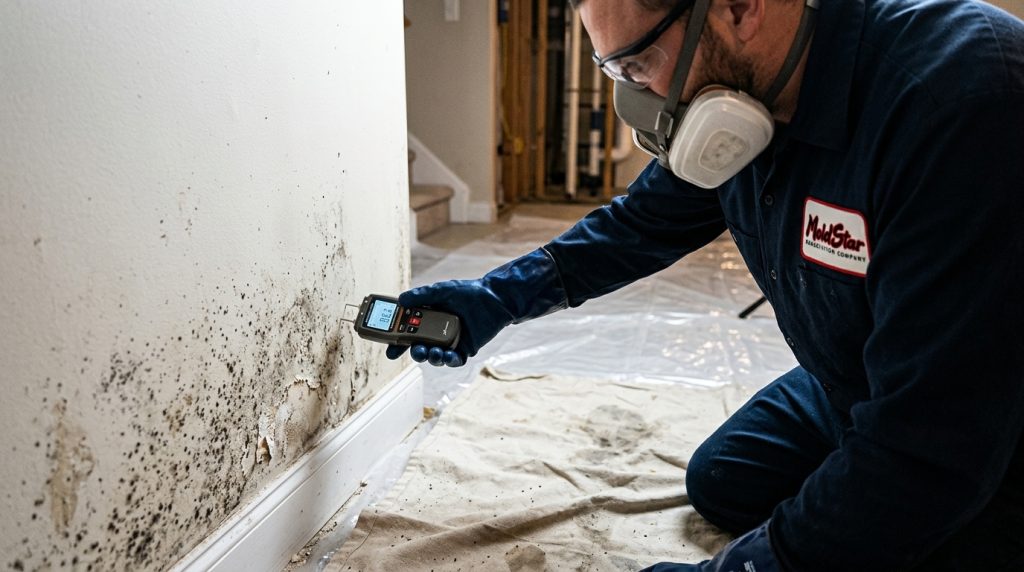
Access and materials can change the labor
Work in an open, accessible area differs from work behind cabinetry, inside a tight crawl space, or around occupied rooms. The contractor needs a plan for reaching the affected material and handling it through the property.
Different materials may require different treatment or removal decisions. Ask the contractor to explain which materials are proposed for removal, which will be cleaned, and which decisions depend on further inspection. The estimate should not describe every surface as interchangeable.
Where access openings are necessary, clarify whether their creation and later repair are included. Removing affected material and rebuilding the finished room are separate stages, even if one company offers both under a broader agreement.
Understand containment and work-area controls
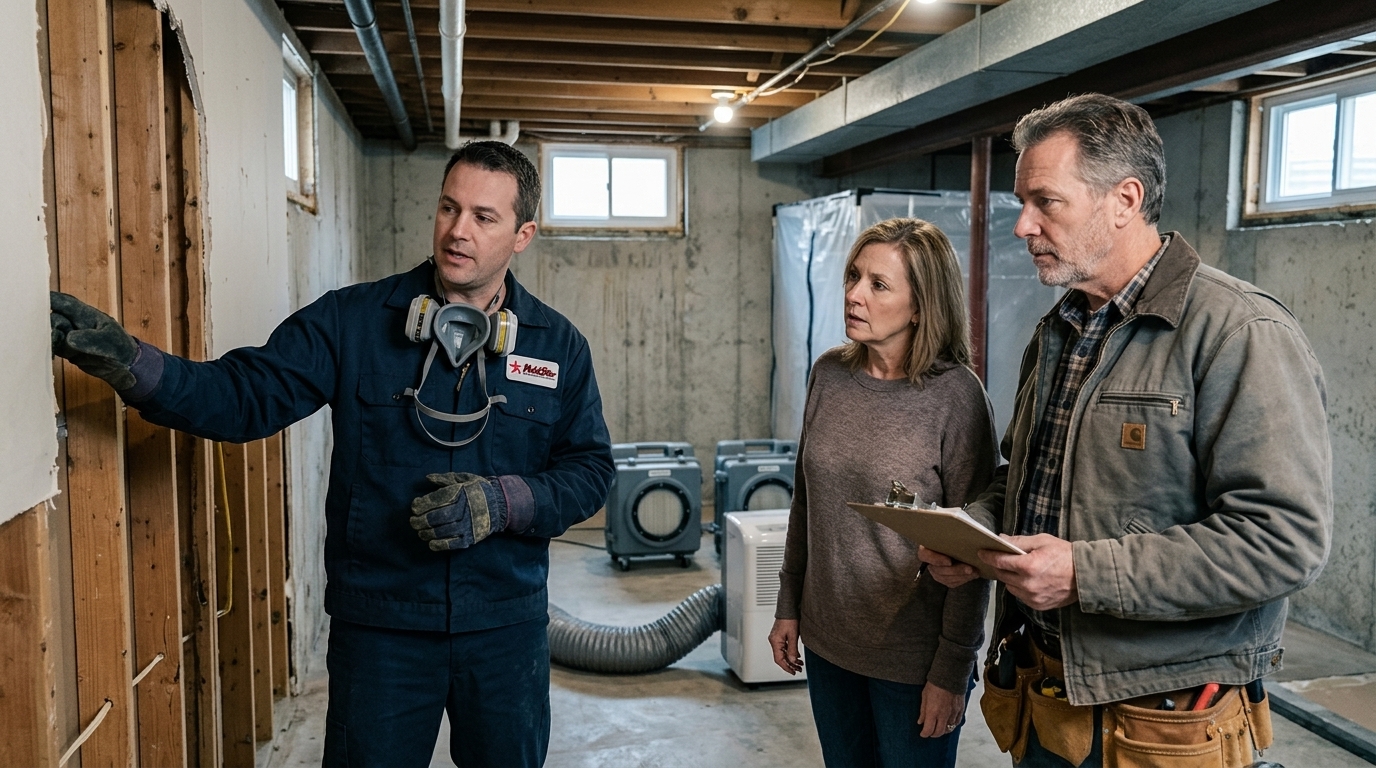
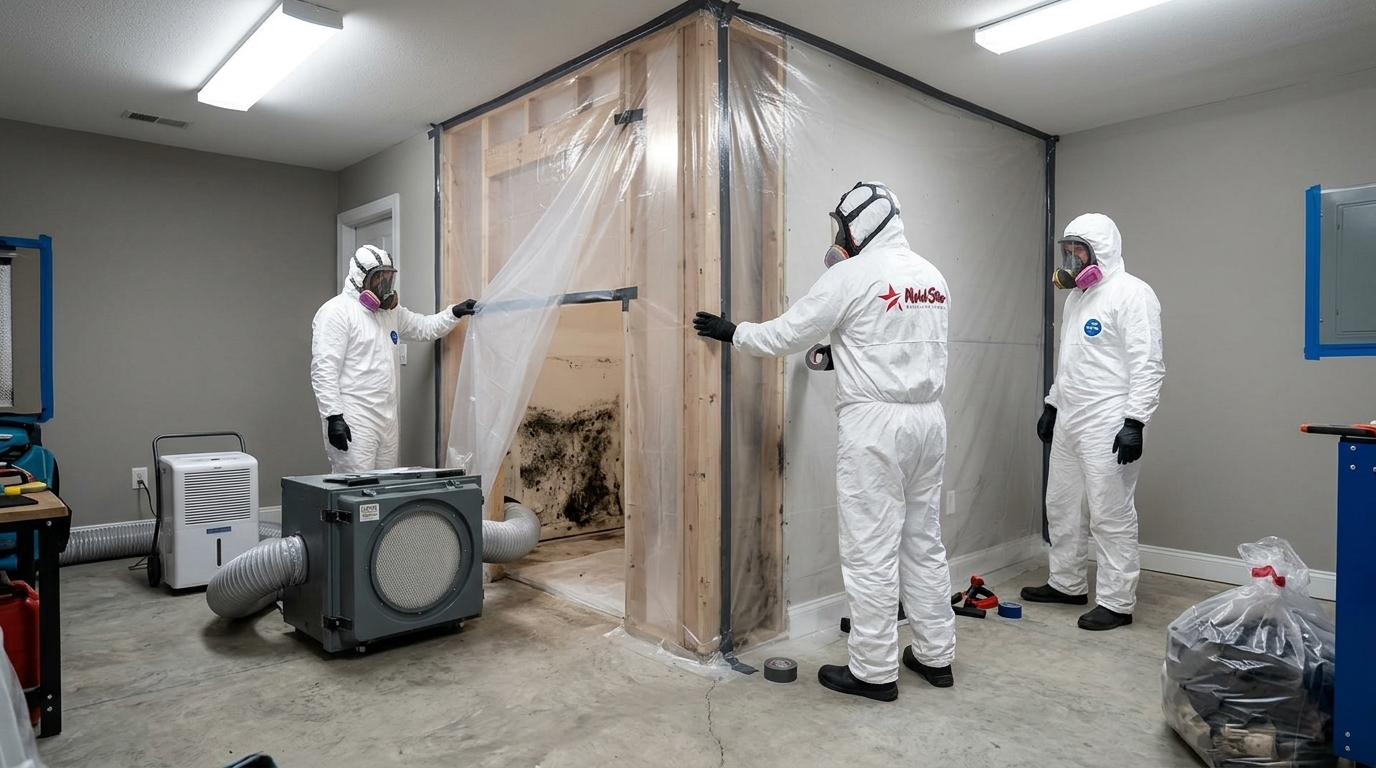
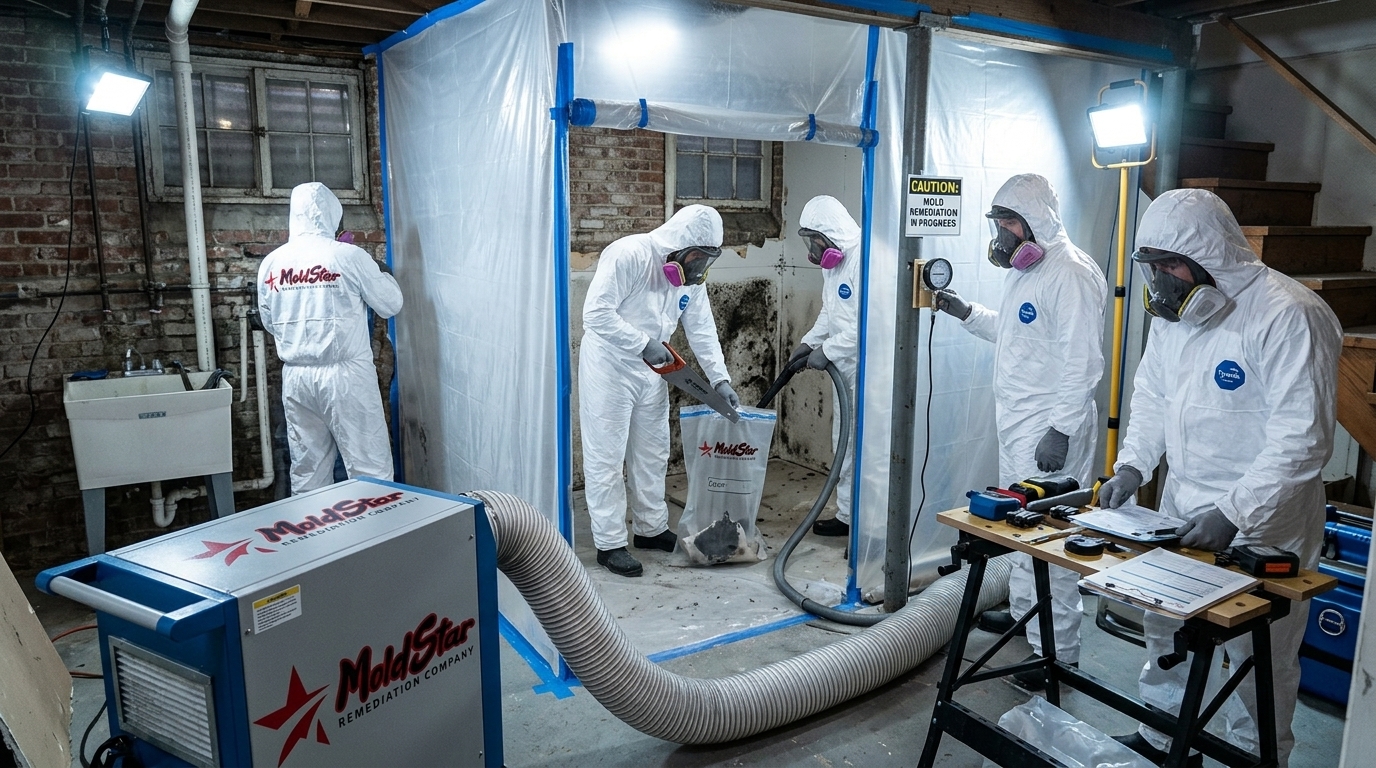
The plan may include isolating the work area, controlling movement of debris, and using equipment appropriate to the scope. Ask the contractor to explain what is proposed for your project and how occupants should use the property during the work.
These measures are part of doing the job, not decorative line items. However, a list of equipment names does not by itself establish a complete scope. You should understand the purpose and the areas covered.
Discuss access routes, contents, pets, and household needs before work starts. If a room will be unavailable, identify that restriction in the schedule so the homeowner can plan around it.
Compare cleaning, removal, and disposal
The estimate should distinguish cleaning retained materials from removing and disposing of materials. Ask which items are included and how debris will be handled. If contents require separate assessment or cleaning, state that explicitly.
A proposal described only as “spray treatment” may not explain how affected materials, debris, or the moisture source will be addressed. Request the complete work sequence rather than comparing product names alone.
MoldStar’s mold-remediation service provides a starting point for discussing the property. The actual estimate should identify the evaluated areas and proposed work rather than substitute general service descriptions for a site-specific plan.
Review changes, payment, and insurance documentation
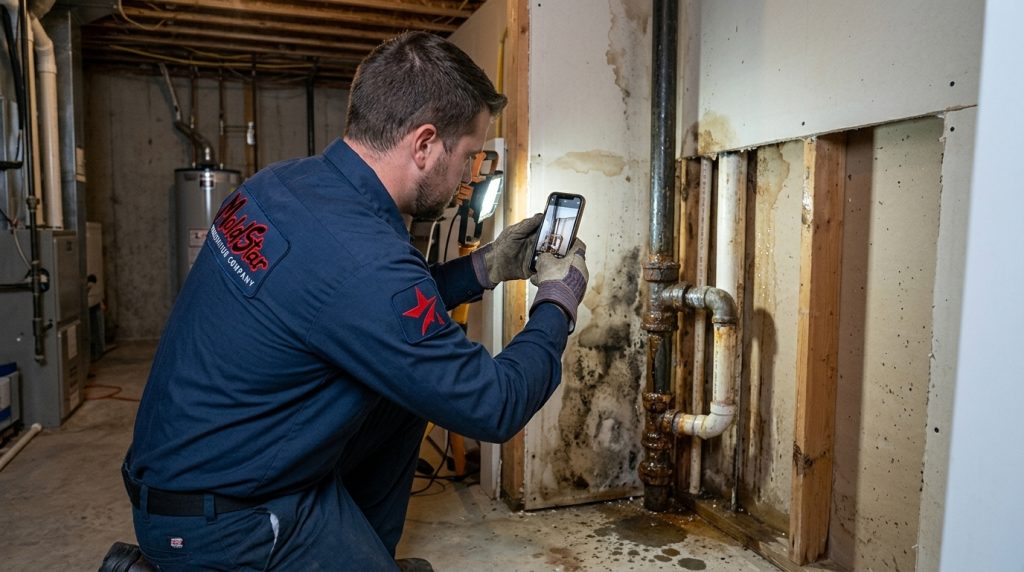
Ask how additional findings will be documented and priced. A change should explain the affected area, added work, and schedule effect. Keep written approvals with the original estimate.
If an insurance claim is involved, ask the insurer about documentation and coverage requirements. A contractor can document its observations and work, but the estimate alone does not establish coverage or reimbursement. Keep claim decisions separate from the technical scope.
Review payment milestones and what marks completion of the contracted stage. Confirm who receives questions during the job and how unresolved items will be recorded at handoff.