Have a Mold Problem? Call us now

After Mold Remediation: Plan the Handoff to Repairs

The end of mold remediation is not always the end of the property project. The work may leave open walls, removed flooring, or other areas that need reconstruction. Before those finishes go back, the owner needs a clear record of what was completed and what conditions must be met for the next stage.

A good handoff connects the remediation contractor, the person responsible for the moisture source, and the repair contractor. It prevents each party from assuming someone else has handled an unresolved issue.

Define the end of the remediation scope

Ask the remediation contractor to identify the areas addressed and the work completed. The final record should distinguish removed materials, cleaned materials, and areas that were outside the scope or inaccessible.

Compare that record with the estimate and any approved changes. If work expanded after openings were made, the final scope should reflect that expansion. If a recommendation remains uncompleted, list it as an open item rather than allowing it to disappear into the final invoice.

This is not a request for a guarantee about every concealed area of the property. It is a request for an accurate description of the work performed so the next contractor knows what it is receiving.

Confirm responsibility for the moisture source

Remediation and correcting the cause of moisture are related but different assignments. A separate plumber, roofer, or another contractor may be involved, depending on the condition.

Record who completed the source repair, when it was completed, and what documentation is available. If the cause is still uncertain or the repair is temporary, make that clear before closing the affected area.

For example, replacing drywall after a leak without confirming the plumbing repair can create a second round of disruption if water returns. This hypothetical sequence illustrates why the handoff should name the repair responsibility rather than simply say “water issue handled.”

Agree on readiness criteria before rebuilding

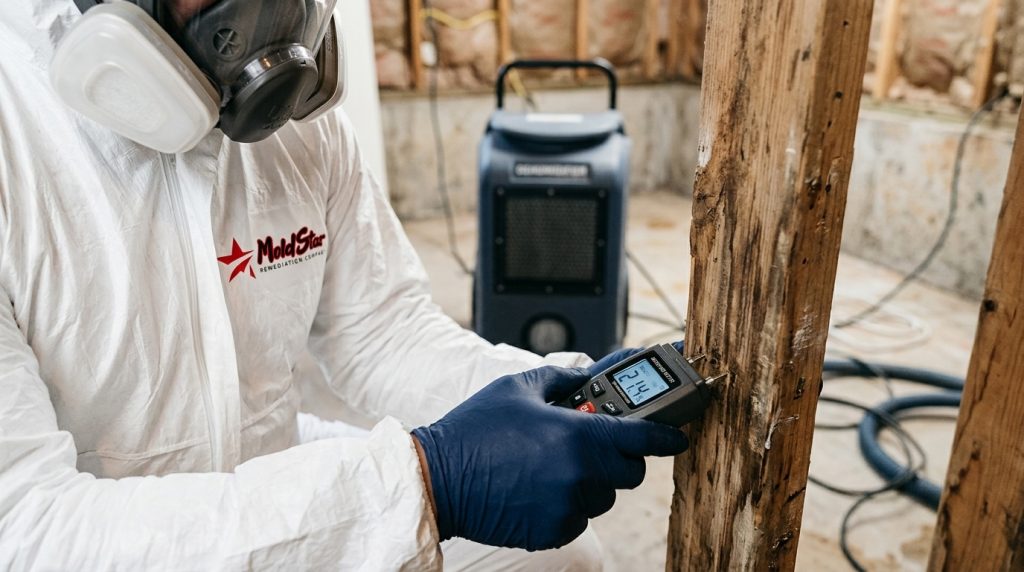
The responsible professionals should determine what needs to be confirmed before reconstruction. That can include completion of the remediation scope, appropriate moisture conditions, and any project-specified post-remediation assessment.

Do not decide that an area is ready solely because a certain number of days has passed or the surface feels dry. Ask what measurements, observations, or reports the project requires and who will review them.

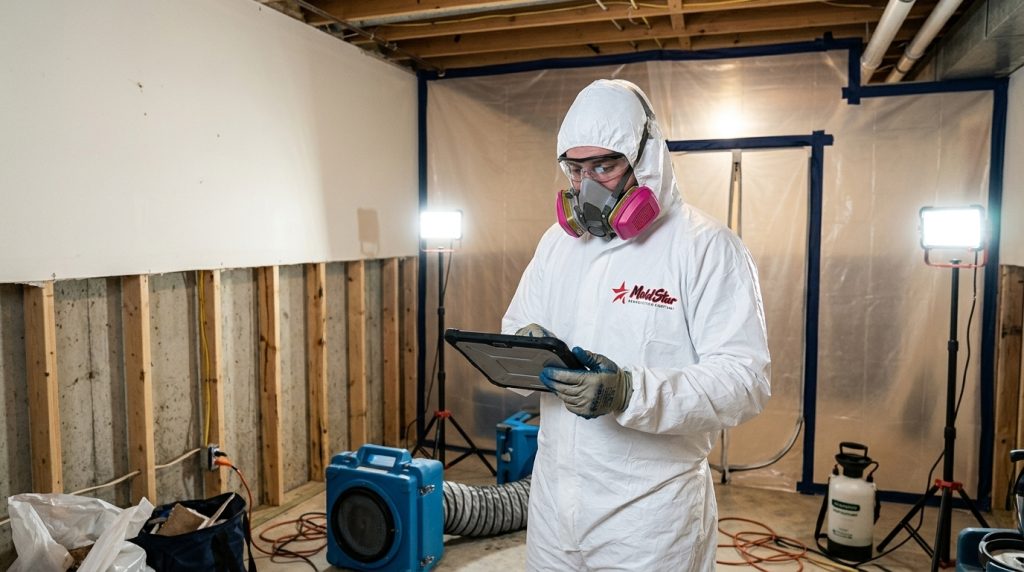
The EPA’s commercial-building remediation guidance discusses evaluating completion in relation to the moisture problem and remaining signs of contamination. Apply that through the actual project criteria rather than a generic calendar rule.
Schedule verification while the work is accessible

If post-remediation verification is part of the plan, coordinate it before new finishes obscure the relevant areas. The assessor should define the scope and preparation conditions for the visit.

Keep the remediation record, photographs, and available moisture documentation ready. Explain any changes from the original scope. If the assessor identifies a remaining issue, resolve the next steps before authorizing work that would hide it.

A limited assessment does not become a guarantee that the entire building is free from every possible concern. Keep the report’s scope and limitations with the conclusion, and ask for clarification where needed.

Give the repair contractor a room-by-room work list

List the areas requiring insulation, drywall, flooring, trim, paint, cabinetry, or other finish work. Identify which items were removed during remediation and which pre-existing repairs are being added to the project.

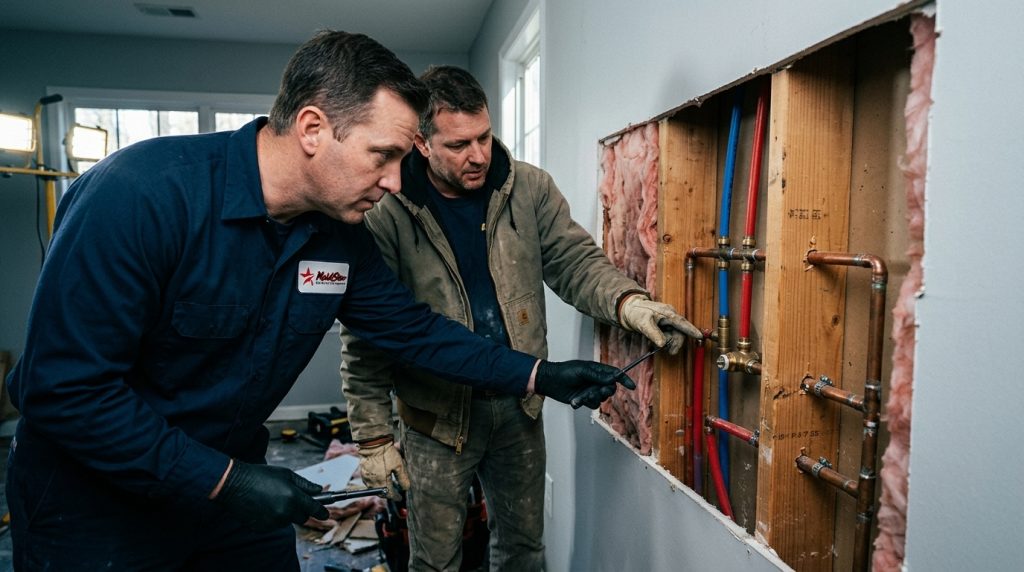
Photographs should use the same room names as the work list. If a wall contains a plumbing repair or another feature that should remain documented, keep a labeled photograph before it is closed.

Ask the repair contractor to inspect the site before giving a final scope. The remediation contractor’s description of an opening may not answer every construction question. The next trade needs to confirm the work it is accepting.
Separate functional repair from appearance matching

A repaired wall and a visually matched room are not always the same scope. Patching, texture, primer, paint coverage, and trim replacement should be described. Flooring and cabinetry can create similar matching questions.

Decide which surfaces will be refinished and whether the work stops at the affected section, an entire wall, or another agreed boundary. Discuss material availability before assuming a small replacement will match an older finish exactly.

These decisions affect the reconstruction price, not necessarily the quality of the completed remediation. Keeping the stages separate makes it easier to compare estimates and understand who is responsible for the finished appearance.

Control changes between the two stages

Reconstruction may reveal a condition that was not part of the original repair scope. Ask for a written change explaining the finding, proposed work, and cost before authorizing it, except where immediate action is necessary for an urgent condition.

Do not let the repair contractor assume that every newly observed issue has already been evaluated by the remediation team. Similarly, avoid asking the remediation contractor to approve work outside its contracted responsibility.

Choose one owner or manager to coordinate questions across the parties. A clear contact reduces the chance that one contractor proceeds based on an incomplete message from another.

Keep occupancy and access plans current

The restrictions during remediation may differ from those during reconstruction. Ask the relevant contractor which rooms can be used, which access routes need to remain clear, and how equipment or materials will be handled.

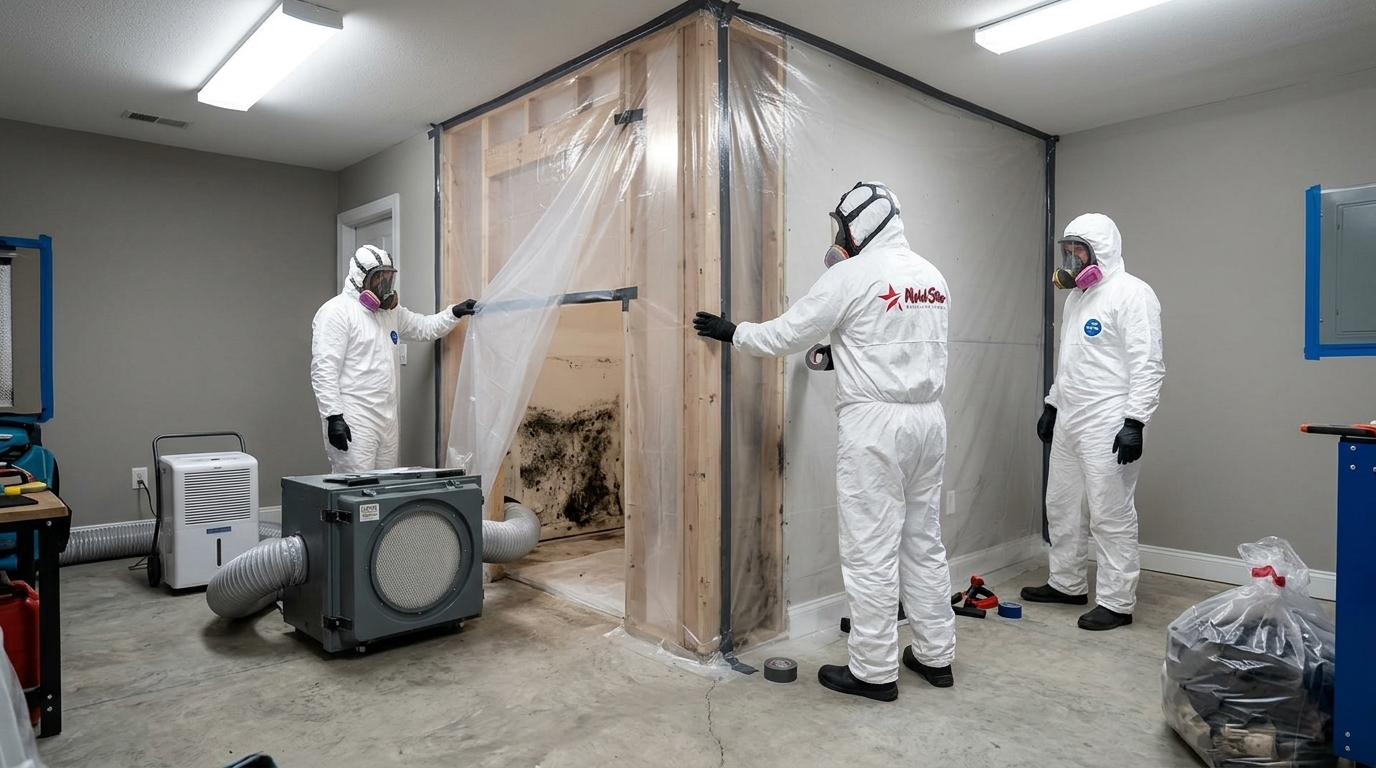
Do not remove barriers or alter equipment simply because the visible cleanup appears finished. Follow the responsible contractor’s directions for the stage still underway. Discuss pets, children, work-from-home arrangements, and any accessibility needs before the next trade arrives.

If occupants have health concerns, direct those questions to appropriate health professionals. A construction handoff should explain building work and access, not make medical assurances.
Finish with one organized project record

Keep the initial findings, remediation scope, approved changes, source-repair documents, photographs, any verification report, and reconstruction invoice together. Note any maintenance or monitoring recommendations that remain.

At the final walkthrough, review the agreed repairs and list any remaining items with a responsible party. Keep the list specific: room, item, next action, and expected follow-up. “Still needs attention” is too vague to manage reliably.

If you are planning mold remediation, discuss the later repair handoff at the start. Contact MoldStar Remediation with the property’s history and intended repair plans. Defining the stages early helps you understand what the remediation work includes and what must be coordinated before the property is finished.