Have a Mold Problem? Call us now

What Happens to Belongings During Mold Remediation?

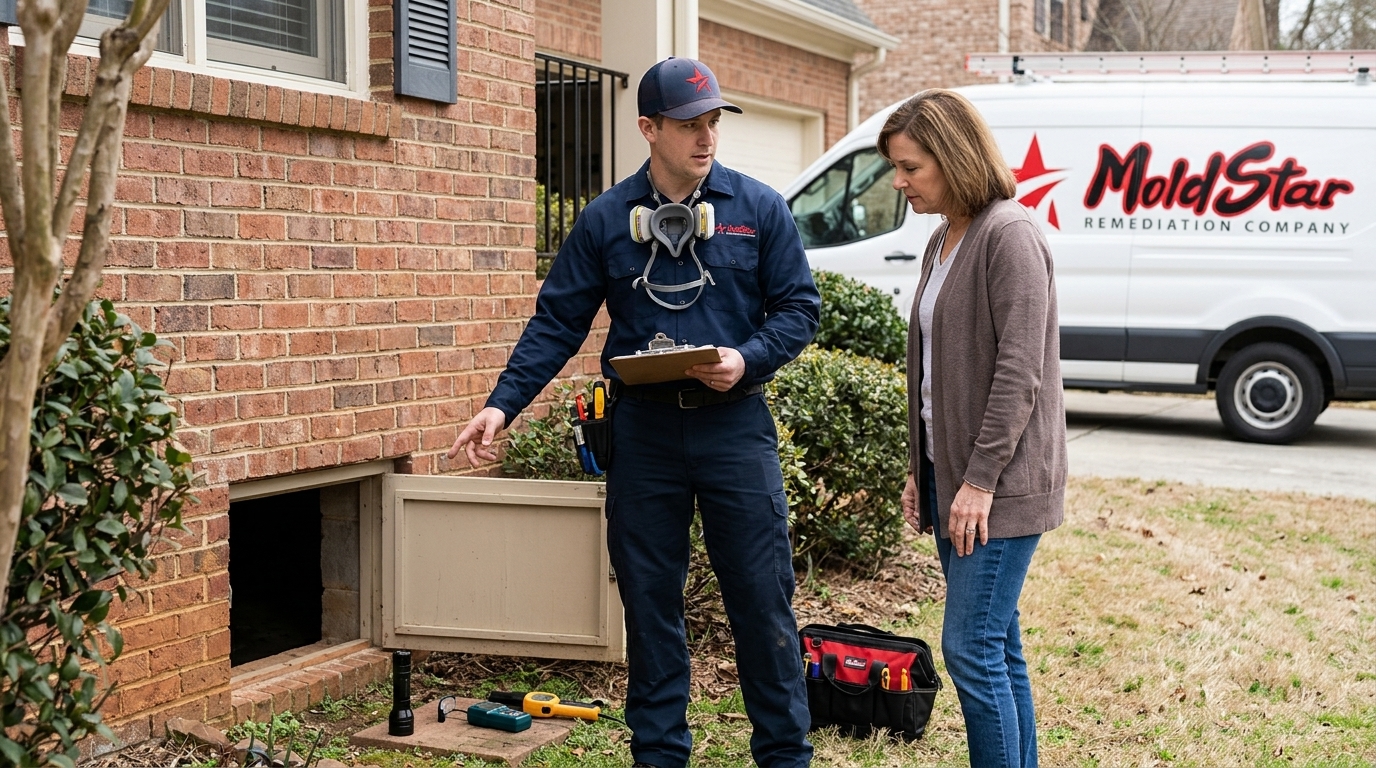
Technician_reviewing_plan

Furniture, stored boxes and personal belongings can complicate a mold remediation project even when the affected building area is small. Some items may need to remain available for assessment, some may require specialist cleaning, and others may not be suitable to retain. Those decisions should be made from the condition and material of each item—not a rule that everything in the room must be thrown away or that everything can be restored.

Before moving belongings, ask the remediation provider what should happen next. Carrying visibly affected items into an unaffected bedroom or garage can create another problem. A clear inventory and handling plan helps the household make decisions without turning the cleanup into an uncontrolled move.

Separate building materials from personal property

A proposal to remove affected drywall does not necessarily include furniture, clothing, documents or stored contents. Likewise, cleaning a room does not automatically mean that every object in it has been evaluated.

Ask the estimate to distinguish the building work from contents handling. Identify who is responsible for documenting items, moving them, arranging any specialist cleaning and deciding when they can return. Do not assume MoldStar or any other remediation company provides every packing, storage, textile or restoration service unless that work is explicitly confirmed.

The remediation estimate comparison guide can help you identify these exclusions before work begins.

Make an inventory before making irreversible decisions

Where it can be done safely without disturbing materials, record the room, item description and visible condition. Existing photographs may be sufficient to start the conversation. Do not enter a restricted or unsafe area to photograph an object.

For important items, include identifying details such as a model number or a general description, but keep serial numbers, family photographs and private records out of public project posts. Save the inventory in your own project folder.

A simple record can contain:

  • Item or group of items.
  • Original room or storage area.
  • Condition observed and who observed it.
  • Proposed next step and responsible provider.
  • Owner’s decision or authorization.
  • Date moved, evaluated, returned or disposed of.

Use “not yet assessed” where the condition is unknown. An unexamined item should not quietly become “clean” merely because it was moved out of the work area.
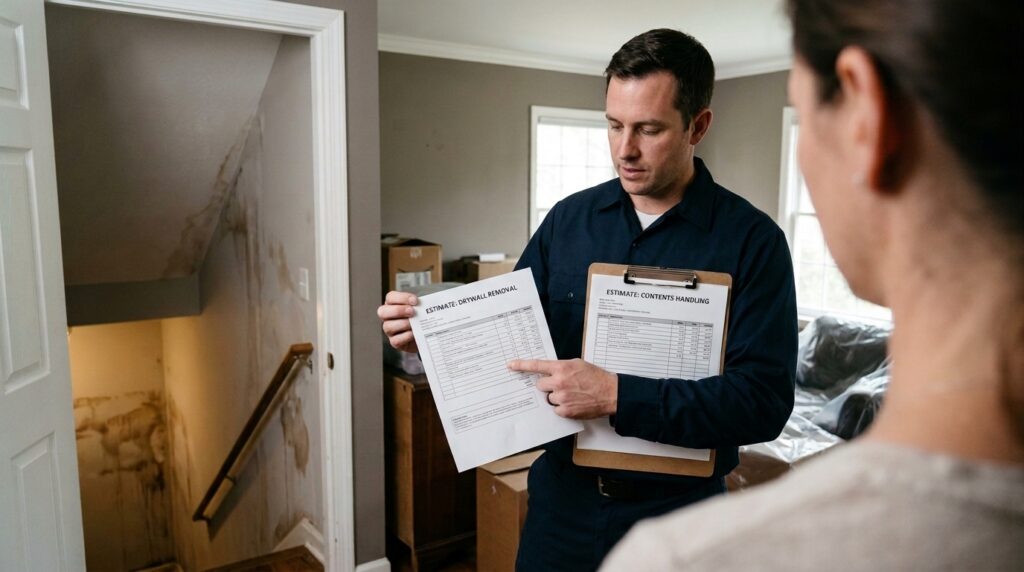
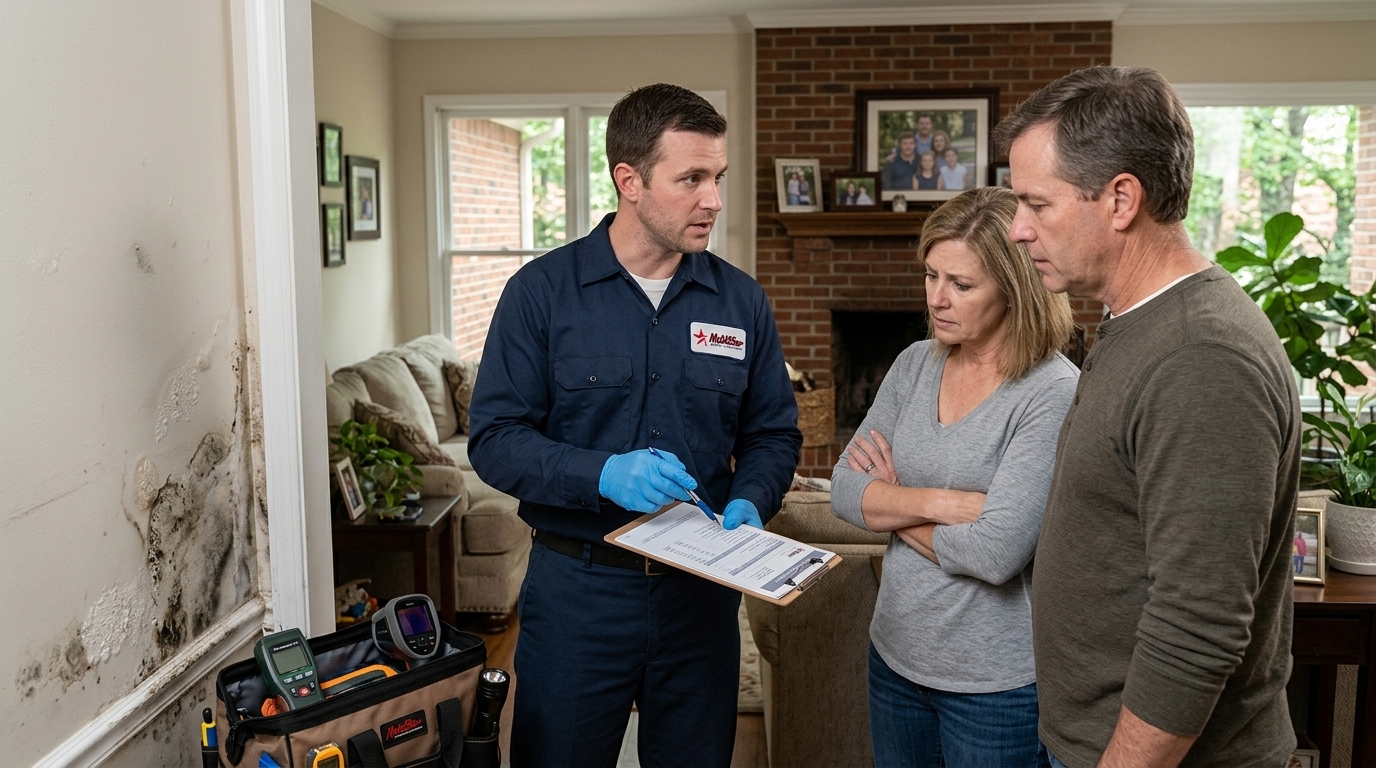
Technician_shows_estimate_to_home

Material and condition affect the options

The ability to clean an object depends on factors such as its material, the extent of damage and whether the relevant surfaces can be accessed. Porous materials may present different challenges from hard, accessible surfaces. Valuable, delicate or irreplaceable objects may need a specialist’s opinion.

The University of Georgia’s guidance on specific mold-affected items illustrates why different materials need different consideration. It is not a guarantee that a particular item in your home is salvageable, and this article is not a do-it-yourself treatment protocol.

Ask for an explanation of the proposed decision. If disposal is recommended, clarify which item is involved and why. If cleaning is proposed, ask who will perform it, what limitations apply and how completion will be documented. Avoid blanket assurances that any process restores every item to its original condition.

Coordinate with the work area

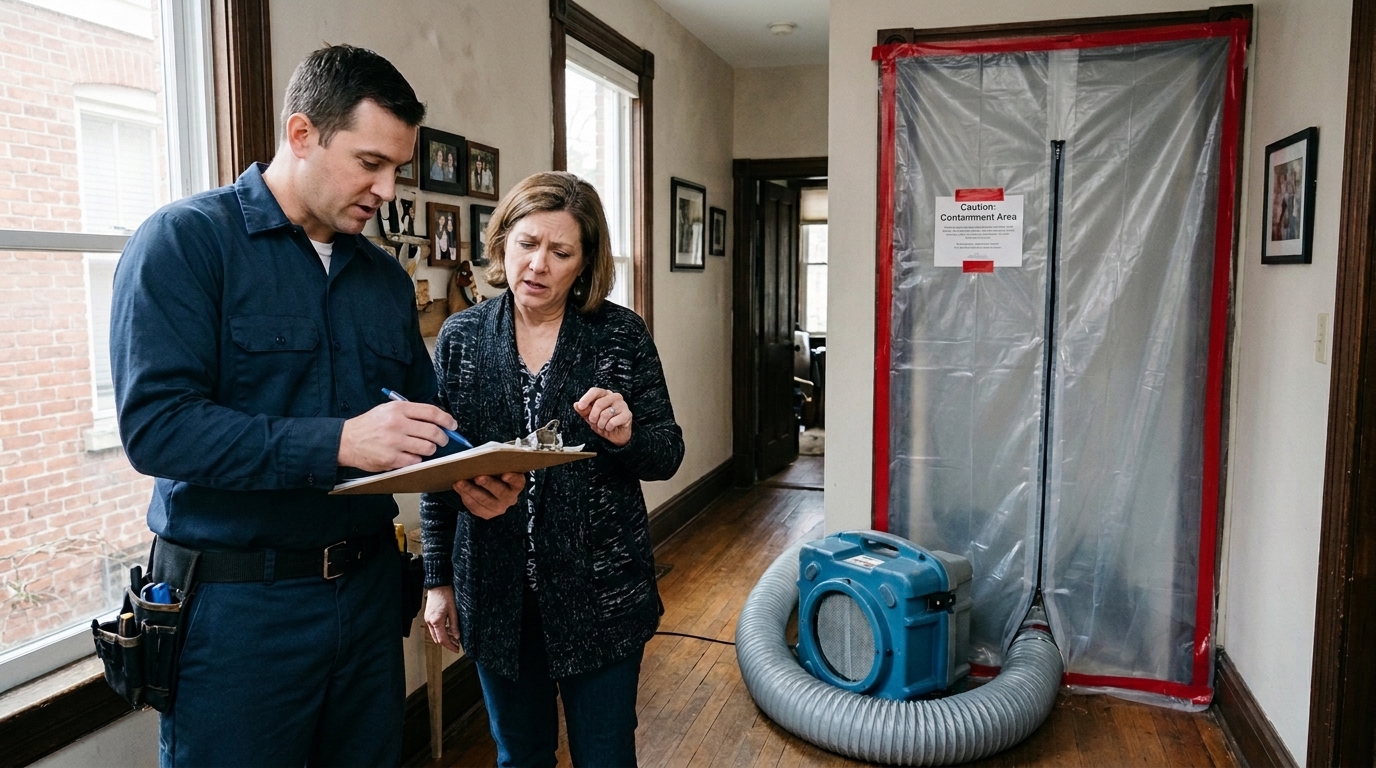
The order of moving, cleaning and returning belongings matters. Ask which items need to leave before containment is established, which should remain for the contractor and where evaluated items can be kept separately from items still awaiting a decision.

Do not open a containment barrier or bring items back because a room looks empty. Follow the agreed work sequence. If your only storage option is another occupied room, discuss that constraint before the scheduled start rather than improvising while the crew is working.

For a household staying in place, consider daily necessities as well as larger furniture. Ask how essential items can be handled without repeatedly entering the restricted area. The occupancy and scheduling guide can help organize that conversation.

Keep insurance and ownership decisions separate from technical advice

If a claim is involved, ask the insurer or claim representative what documentation is required before disposal or replacement. Coverage, valuation and authorization depend on the policy and circumstances; a general remediation article cannot determine them.

Record the provider’s recommendation separately from the owner’s or insurer’s authorization. This helps avoid confusion between “recommended for disposal” and “approved for disposal.” If a decision is pending, identify who needs to respond and keep the item within the agreed handling plan.
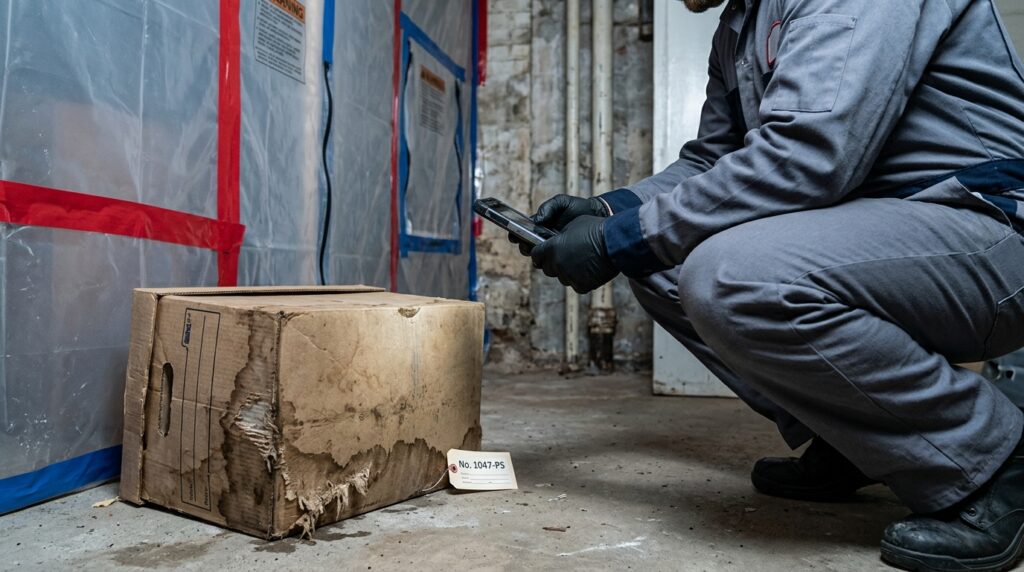
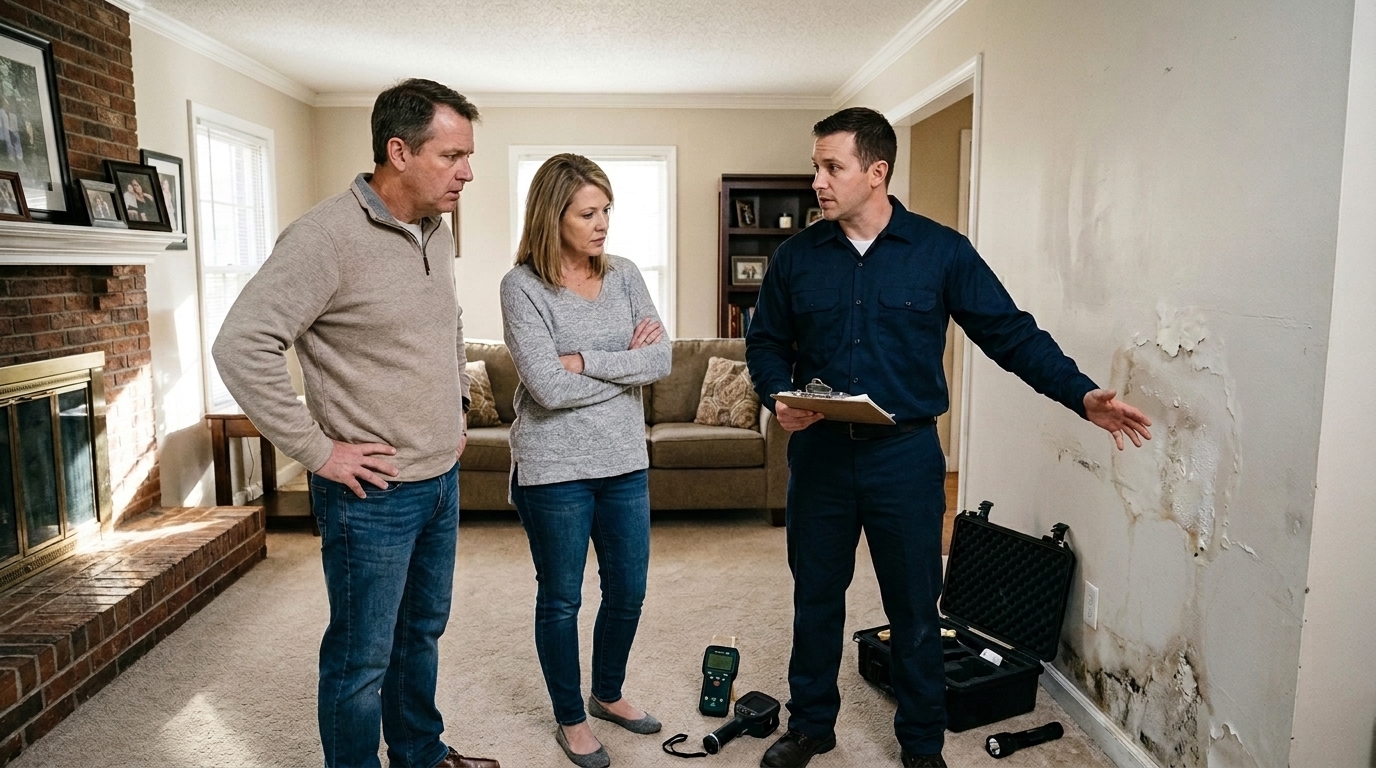
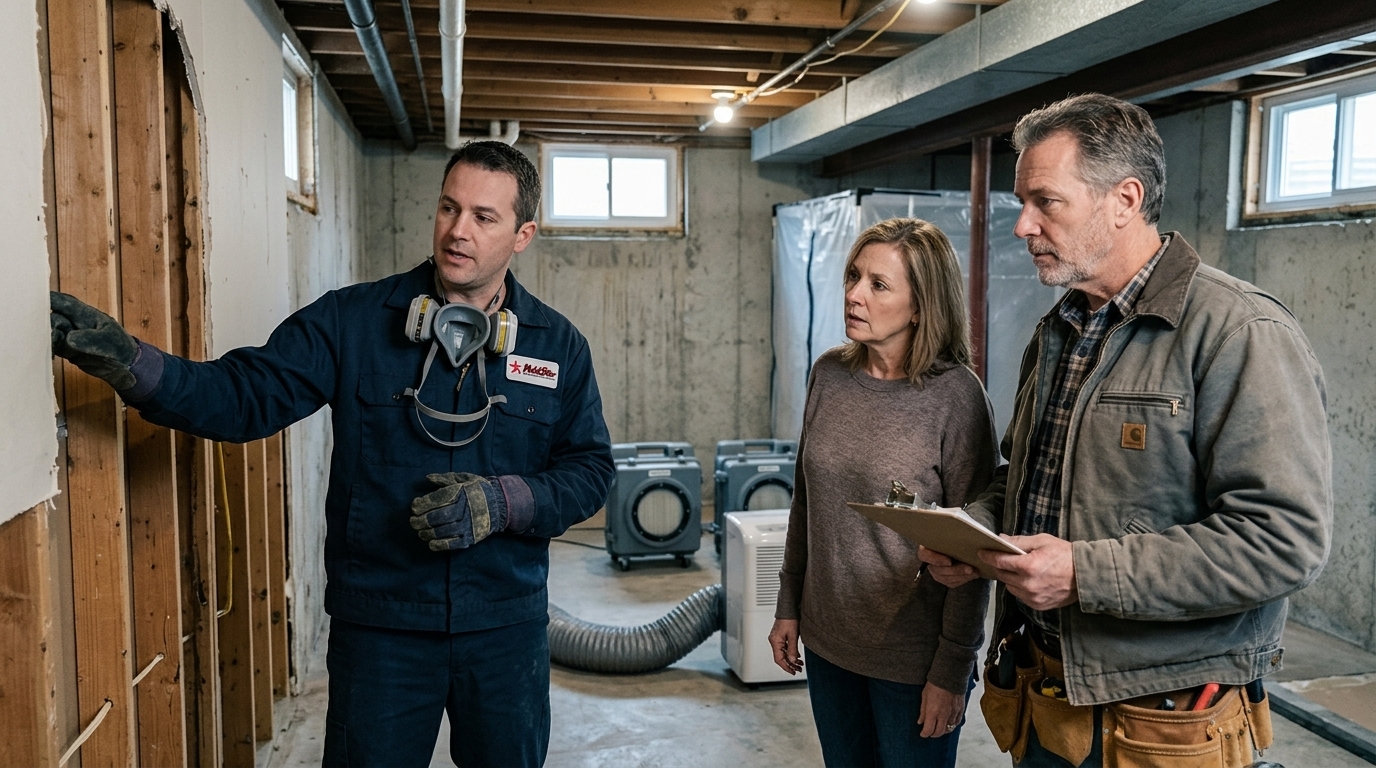
Technician_photographing_water

Check the return and repair handoff

Before belongings return, confirm that the area is ready for that stage and that any required follow-up has been addressed. Keep contents records alongside the remediation scope and the handoff to repairs. A room’s construction work and its contents may reach completion at different times.

Ask what remains excluded. A useful closeout record distinguishes items returned, items still with another provider and decisions still pending. It should not imply that all possessions were cleaned if only selected items were included.

For mold remediation in Marietta, call MoldStar Remediation at 404-585-7319. Describe the affected room, any stored belongings and access constraints. Confirm the contents scope before moving items or assuming it is included in the building remediation proposal.