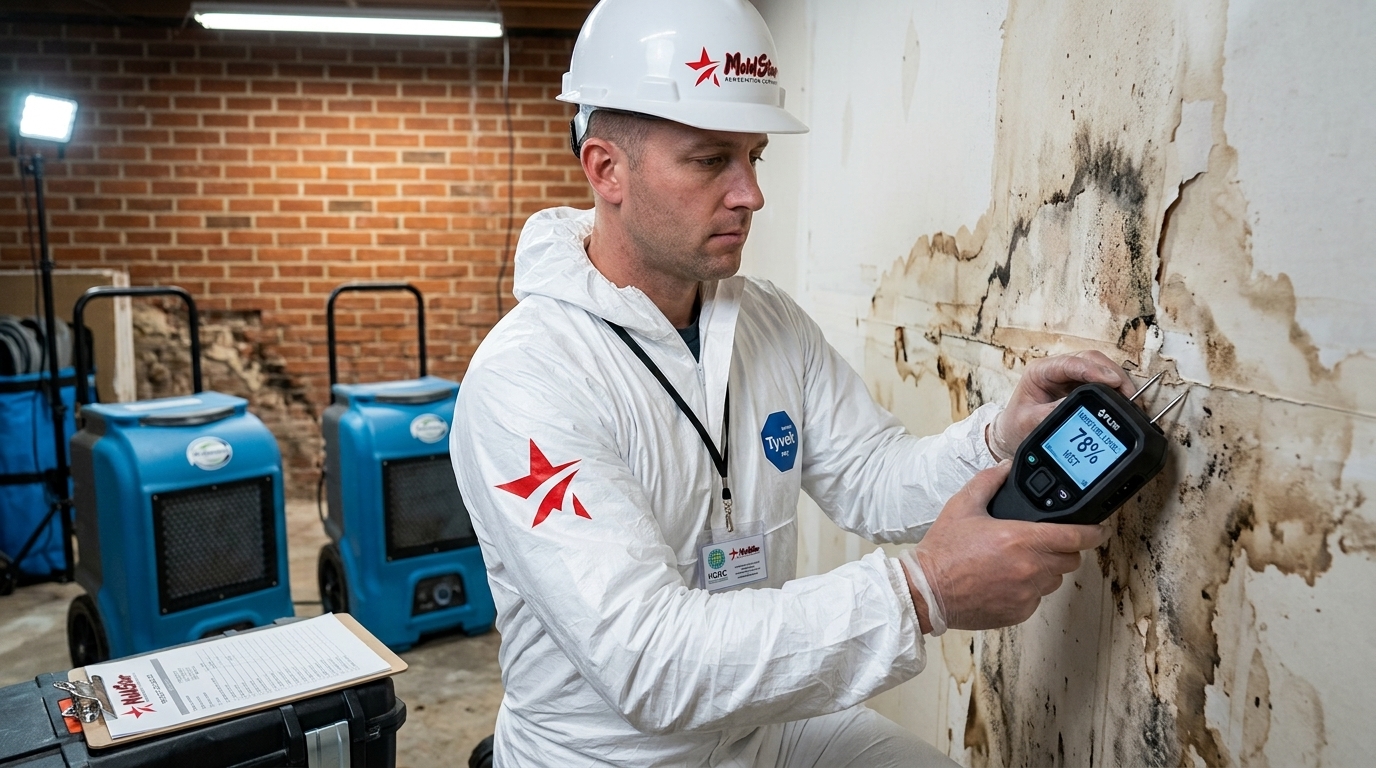
Have a Mold Problem? Call us now

How Fast Can Mold Grow After Water Damage in Atlanta?

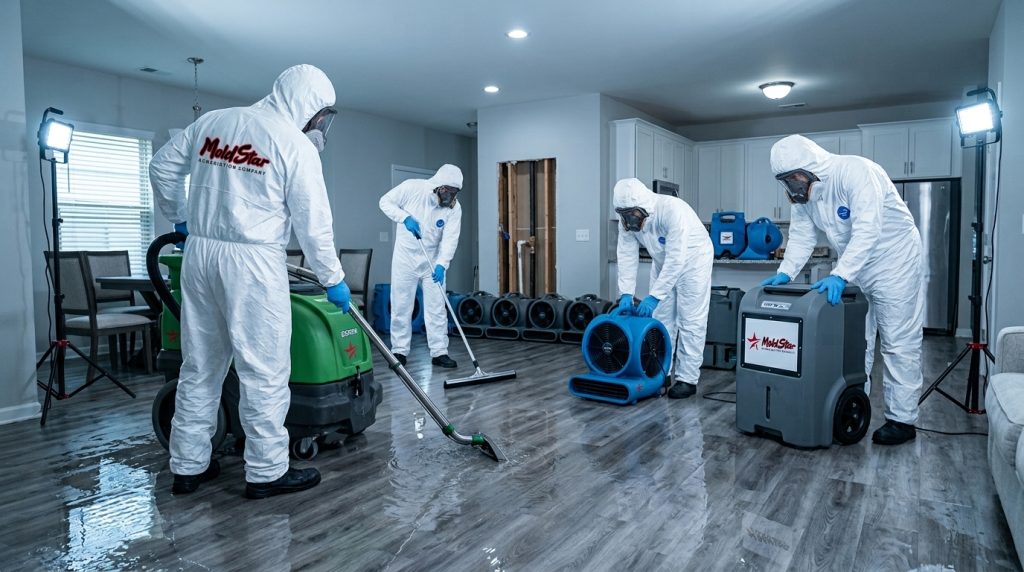
A burst pipe, overflowing appliance, roof leak, or flooded basement can leave you with two problems instead of one: water damage now and mold growth later.

If part of your Atlanta-area home gets wet, the priority is not simply removing the standing water. You also need to dry building materials thoroughly and correct the source of the moisture.

The EPA recommends drying wet or damp materials within 24 to 48 hours whenever possible. That is why quick action after water damage matters so much.

If your home has recently flooded or you have discovered a significant leak, emergency water damage cleanup can help address moisture before the problem becomes more extensive.

How Quickly Can Mold Become a Problem After Water Damage?

There is no exact timer that applies to every home.

Temperature, humidity, airflow, the type of material that became wet, and how much moisture remains all affect what happens next.

However, wet drywall, insulation, carpet, wood, and other building materials should not be left damp while you wait to see whether visible mold appears.

The EPA specifically recommends drying wet areas within 24 to 48 hours as part of mold prevention.

Atlanta’s warm, humid conditions can make moisture management especially important.

What Should You Do Immediately After Discovering Water Damage?

First, stop the water source if it can be done safely.

That might mean:

  • Shutting off a plumbing supply
  • Repairing a roof leak
  • Stopping an overflowing appliance
  • Addressing groundwater or foundation intrusion
  • Calling a plumber or restoration professional

Next, remove standing water and begin drying the affected materials.

Simply placing a household fan in the room may not be enough when water has reached drywall cavities, flooring systems, insulation, cabinets, or other concealed spaces.

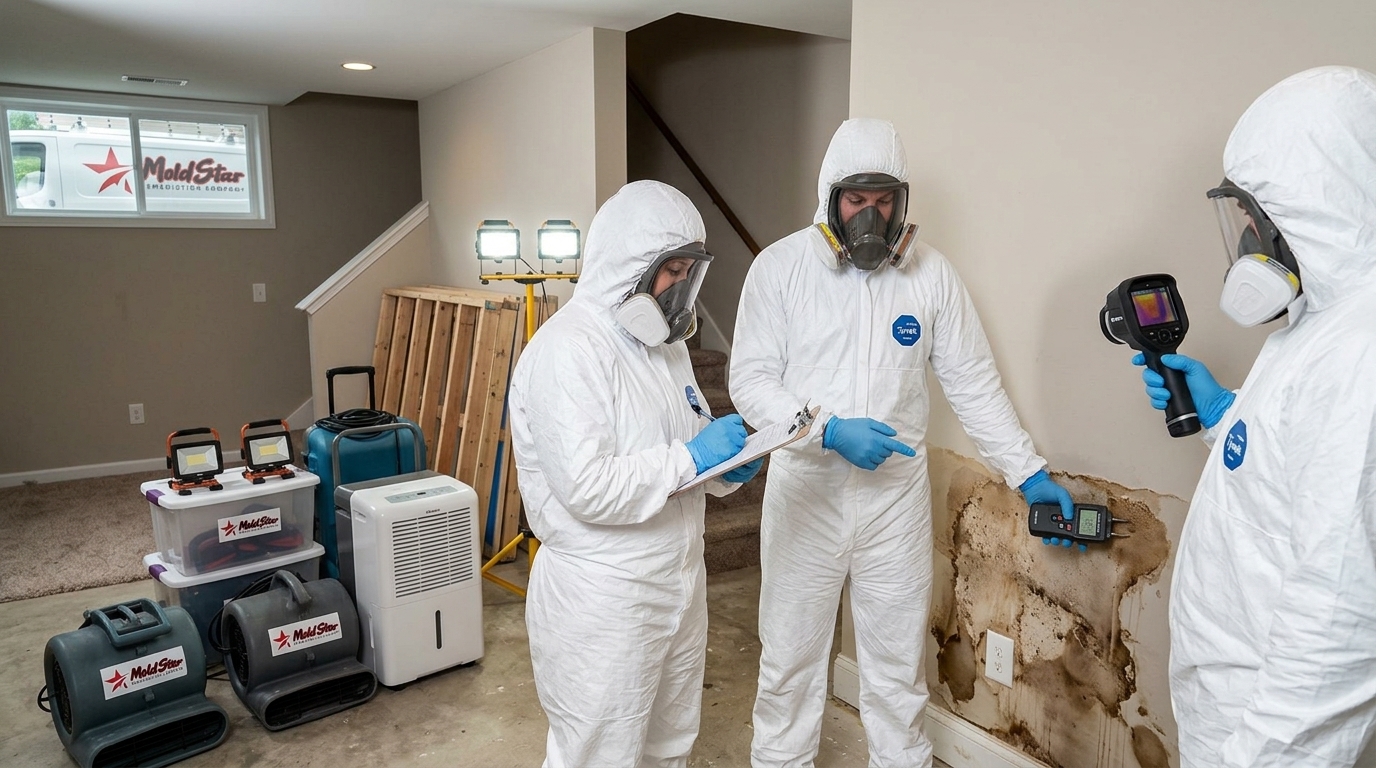
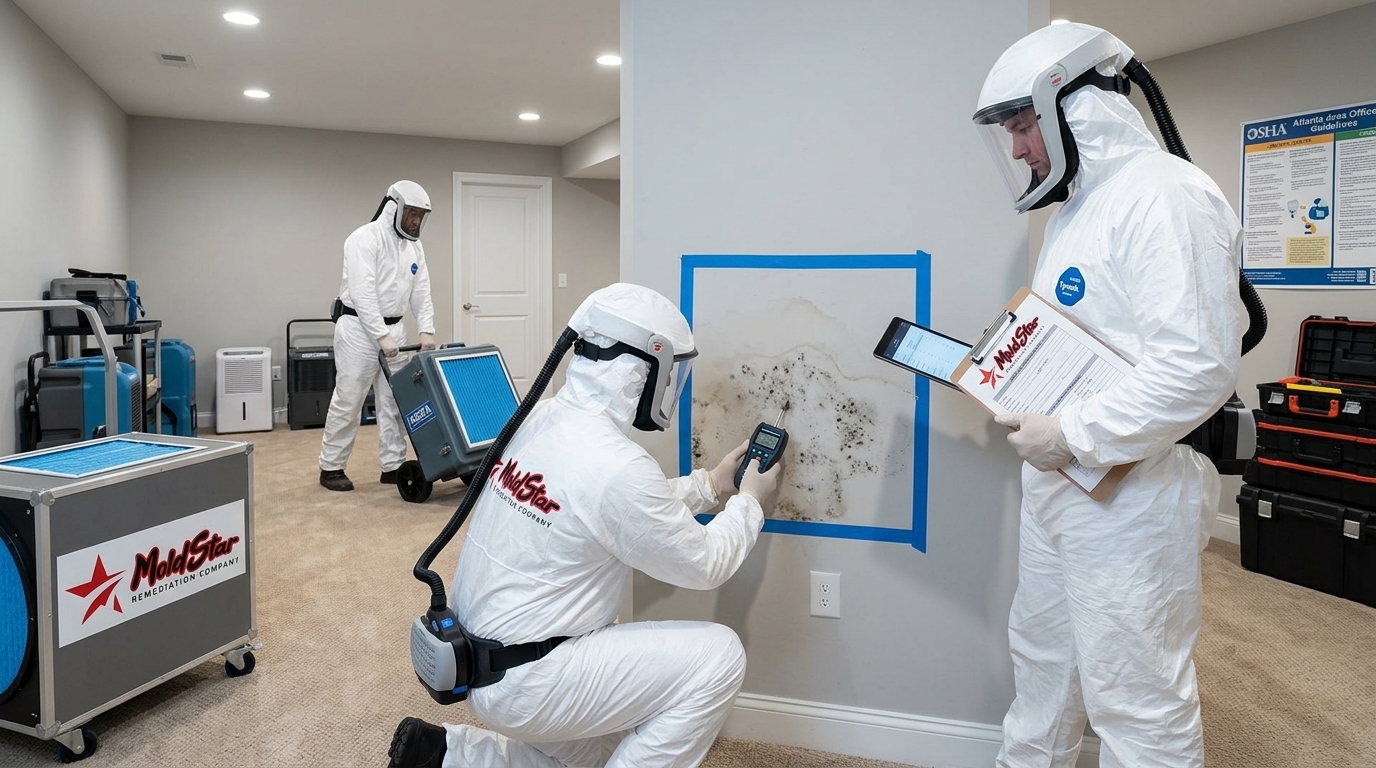
Professional moisture detection can help determine whether materials that look dry on the surface are still holding moisture.

How Do You Know If Water Damage Has Already Caused Mold?

You may notice:

  • Visible discoloration or spotting
  • A persistent musty odor
  • Damp drywall or trim
  • Swollen or deteriorating building materials
  • Mold around baseboards or cabinets
  • Growth underneath carpet or flooring
  • Recurring moisture in the same area

Mold may also develop in spaces you cannot easily see, including wall cavities and areas beneath finished surfaces.

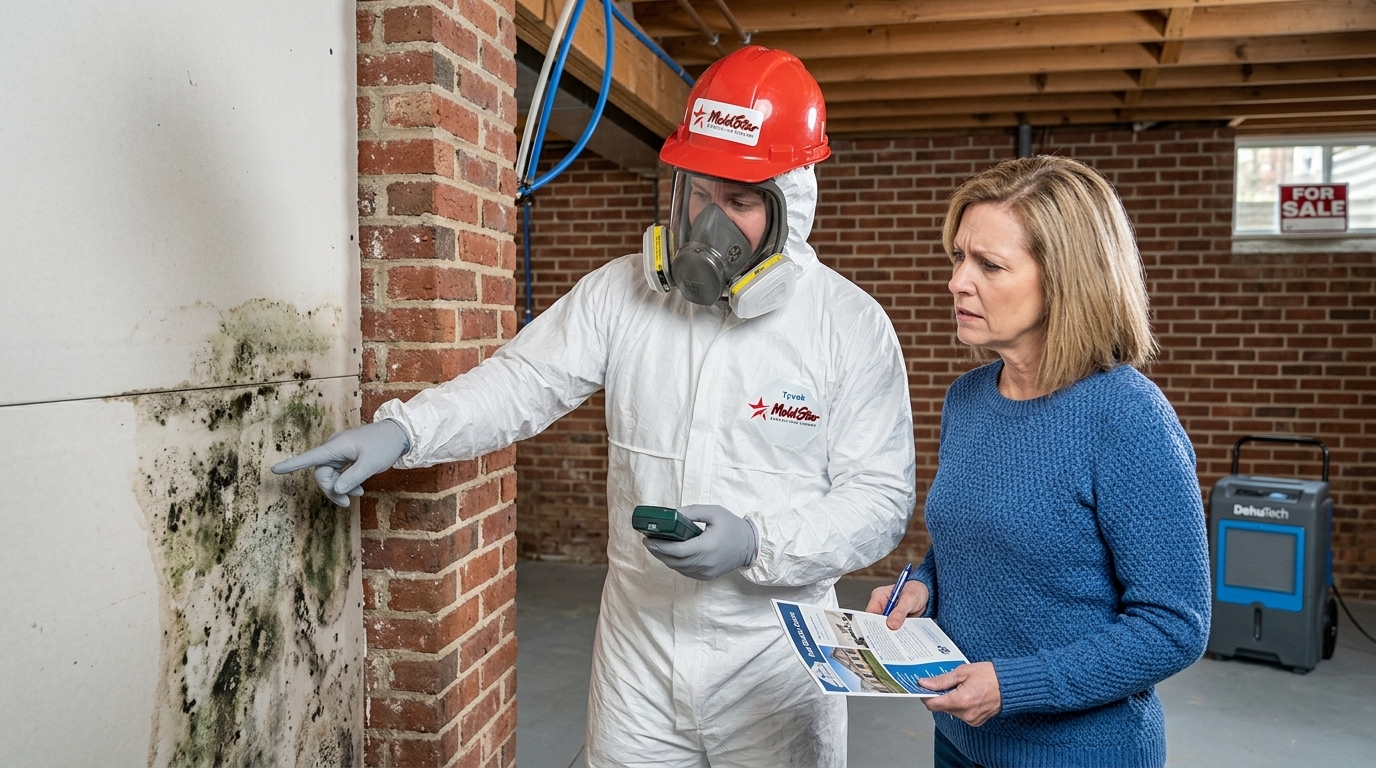
If you have a persistent odor or significant water history without an obvious source, a professional mold inspection may help determine what is happening.
Should Drywall Be Removed After Water Damage?

Not automatically.

The right decision depends on the type of water event, how wet the drywall became, how long it stayed wet, and whether there is visible or suspected microbial growth.

Some materials can be dried successfully when the problem is addressed quickly.

Other materials may need to be removed when they remain wet, become contaminated, or develop mold growth.

That is why moisture measurements are more useful than guessing based on appearance alone.

What If Mold Is Already Visible?

Once you have visible mold growth, drying the area alone does not address the existing contamination.

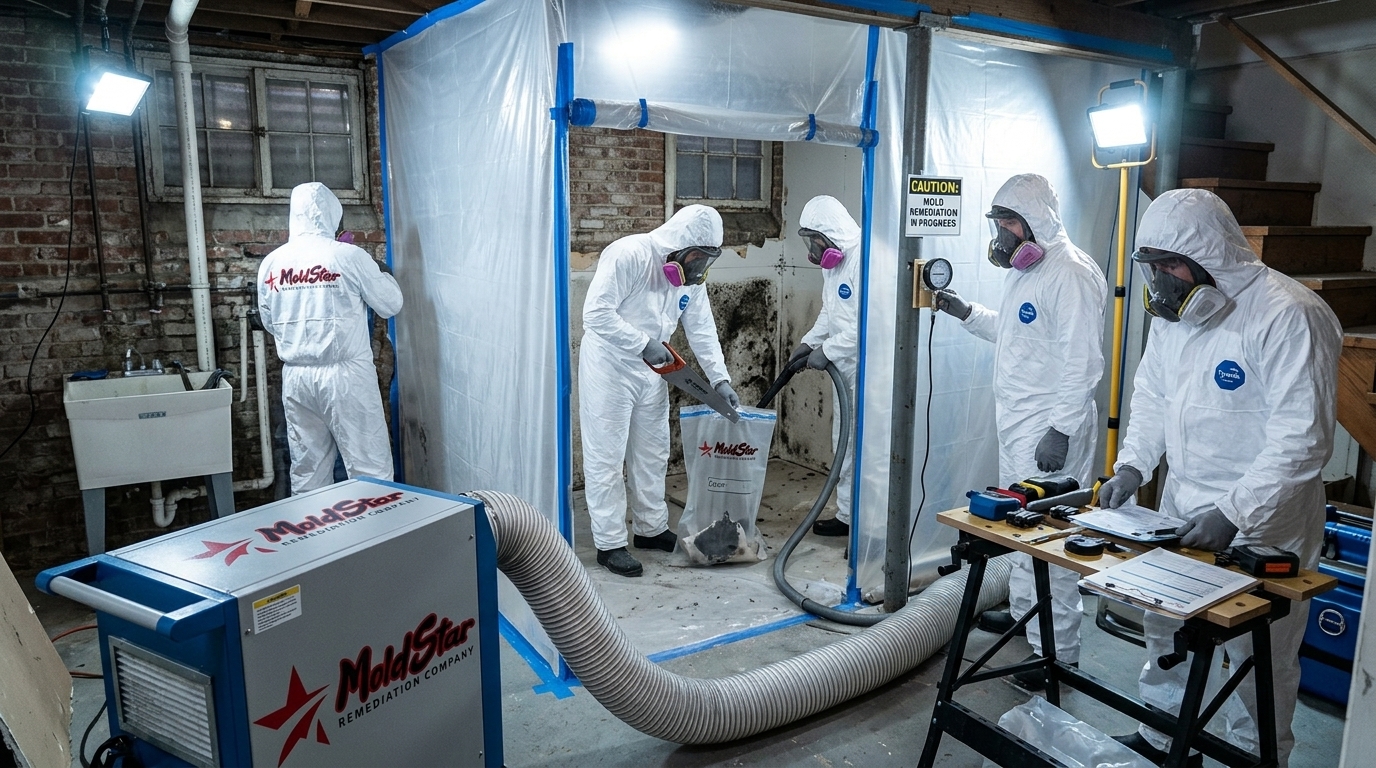
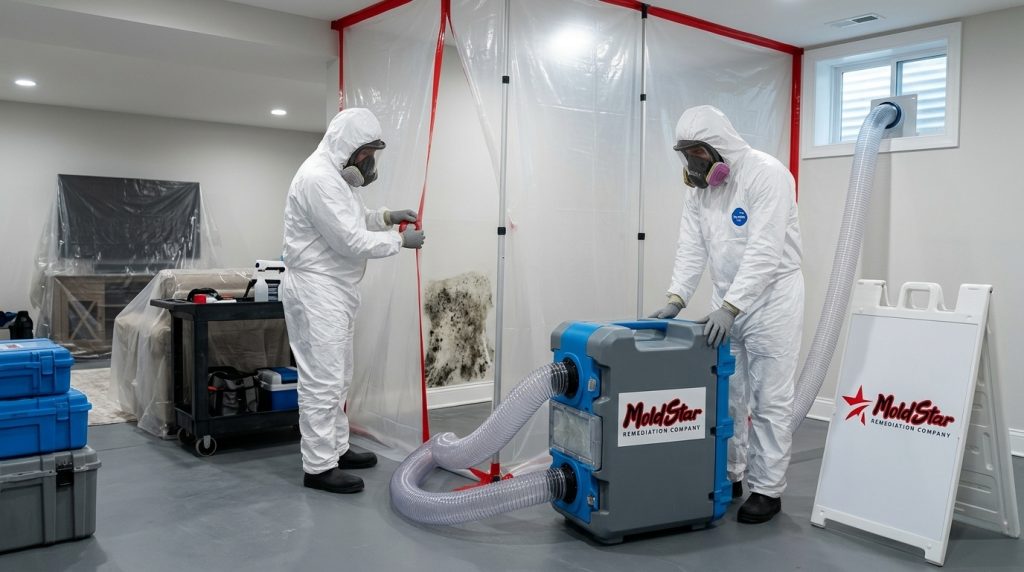
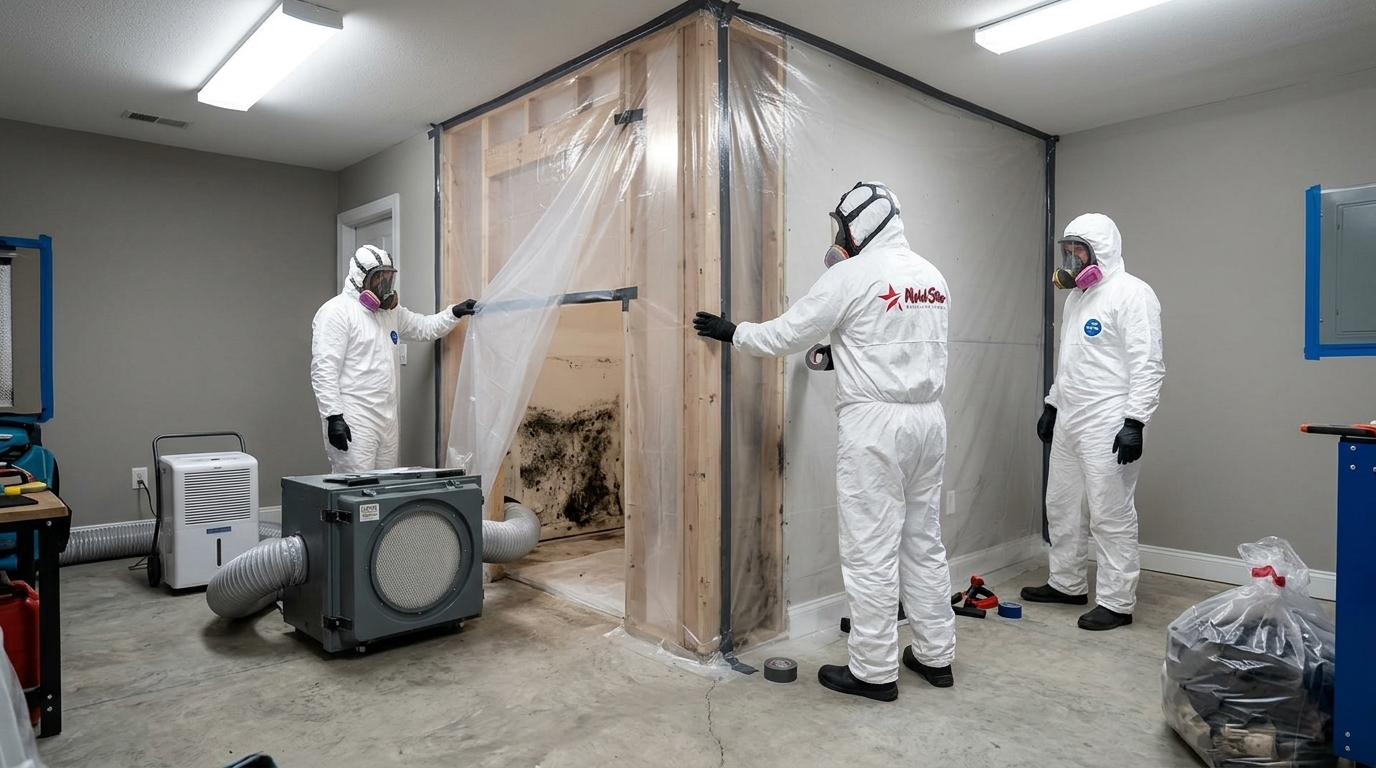
The moisture source still needs to be corrected, but affected materials may also require professional cleaning, removal, containment, HEPA filtration, or other remediation measures depending on the scope.

For a larger or complicated problem, learn more about professional mold remediation.

Can Water Damage Cause Mold Behind Walls?

Yes.

Plumbing leaks, roof leaks, appliance failures, and water entering from adjacent rooms can wet drywall, insulation, wood framing, and other concealed materials.

A wall can sometimes look relatively normal from the occupied side while moisture remains inside the assembly.

This is one reason identifying the extent of water damage early is important.

How Can You Reduce the Chance of Mold After a Leak?

The most important steps are straightforward:

  1. Stop the source of the water.
  2. Remove standing water.
  3. Dry affected materials thoroughly.
  4. Control indoor humidity.
  5. Check concealed areas when significant water intrusion occurred.
  6. Remove materials that cannot be properly dried or cleaned.
  7. Confirm the moisture problem has been corrected.

Do not cover water-damaged materials with paint or new finishes until the underlying problem has been addressed.
Water Damage Followed by Mold? Get It Evaluated

If a leak, flood, or plumbing failure has left your home wet, acting early can make the cleanup easier.

MoldStar Remediation serves Marietta, Atlanta, Cobb County, Fulton County, DeKalb County, and nearby areas with mold remediation and water damage services.

For help determining what needs to be dried, removed, or remediated, call 404-585-7319 or request an estimate.