
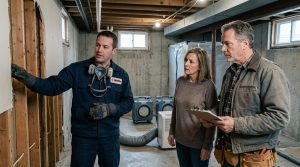
After Mold Remediation: Plan the Handoff to Repairs
The end of mold remediation is not always the end of the property project. The work may leave open walls, removed flooring, or other areas that need reconstruction. Before those finishes go back, the owner needs a clear record of what was completed and what conditions must be met for the next stage. A good handoff connects the remediation contractor, the person responsible for the moisture source, and the repair contractor. It prevents each party from assuming someone else has handled an unresolved issue. Define the end of the remediation scope Ask the remediation contractor to identify the areas addressed and the work completed. The final record should distinguish removed materials, cleaned materials, and areas that were outside the scope
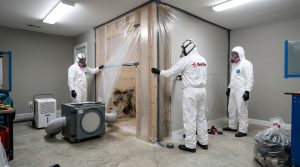
Why Containment and Dehumidification Matter During Remediation
Why Containment and Dehumidification Matter During Remediation should address both the affected material and the moisture condition that allowed the problem to develop. Mold remediation is not simply painting a stain, applying a surface product, or running drying equipment without a plan. A responsible scope defines the work area, controls removal and cleaning activities, manages moisture, and documents completion. The short answer Start by identifying and controlling the water source. Then define affected materials, containment, removal or cleaning methods, drying needs, debris handling, and any verification requirements. Reconstruction should not begin until the remediation and moisture-control steps for the project are complete. Correct the moisture source first Mold growth requires moisture. Roof leaks, plumbing failures, groundwater intrusion, condensation, appliance leaks,
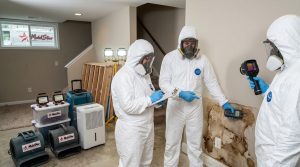
What to Do After Water Damage Before Remediation Begins
What to Do After Water Damage Before Remediation Begins should address both the affected material and the moisture condition that allowed the problem to develop. Mold remediation is not simply painting a stain, applying a surface product, or running drying equipment without a plan. A responsible scope defines the work area, controls removal and cleaning activities, manages moisture, and documents completion. The short answer Start by identifying and controlling the water source. Then define affected materials, containment, removal or cleaning methods, drying needs, debris handling, and any verification requirements. Reconstruction should not begin until the remediation and moisture-control steps for the project are complete. Correct the moisture source first Mold growth requires moisture. Roof leaks, plumbing failures, groundwater intrusion, condensation,
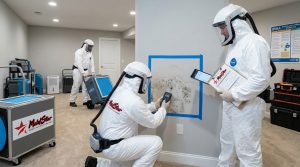
What Affects the Cost of Mold Remediation?
What Affects the Cost of Mold Remediation? should address both the affected material and the moisture condition that allowed the problem to develop. Mold remediation is not simply painting a stain, applying a surface product, or running drying equipment without a plan. A responsible scope defines the work area, controls removal and cleaning activities, manages moisture, and documents completion. The short answer Start by identifying and controlling the water source. Then define affected materials, containment, removal or cleaning methods, drying needs, debris handling, and any verification requirements. Reconstruction should not begin until the remediation and moisture-control steps for the project are complete. Correct the moisture source first Mold growth requires moisture. Roof leaks, plumbing failures, groundwater intrusion, condensation, appliance leaks,
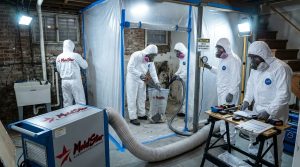
Mold Remediation: What the Process Usually Includes
Mold Remediation: What the Process Usually Includes should address both the affected material and the moisture condition that allowed the problem to develop. Mold remediation is not simply painting a stain, applying a surface product, or running drying equipment without a plan. A responsible scope defines the work area, controls removal and cleaning activities, manages moisture, and documents completion. The short answer Start by identifying and controlling the water source. Then define affected materials, containment, removal or cleaning methods, drying needs, debris handling, and any verification requirements. Reconstruction should not begin until the remediation and moisture-control steps for the project are complete. Correct the moisture source first Mold growth requires moisture. Roof leaks, plumbing failures, groundwater intrusion, condensation, appliance leaks,
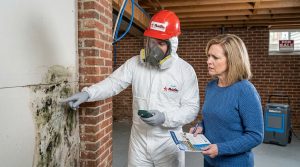
Selling a House With Mold in Georgia: What Should You Do Before Closing?
Finding mold while preparing to sell your home can create an immediate concern: Is this going to stop the sale? Not necessarily. Mold issues vary significantly. A small localized problem related to a corrected leak is very different from extensive contamination caused by ongoing water intrusion. The practical goal is to understand the problem, correct the moisture source, determine whether remediation is needed, and document what was done. If you are already under contract, coordinate decisions with your real estate agent and, where appropriate, your attorney or other transaction professionals. What Happens If a Home Inspector Finds Mold? Home inspectors may identify: Visible mold-like growth Water staining Elevated moisture Musty odors Evidence of roof or plumbing leaks Crawl-space moisture Attic
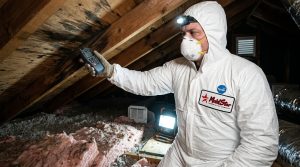
Attic Mold Removal in Atlanta: When Do You Need Professional Remediation?
Attic mold can be easy to miss because most homeowners do not spend much time looking at the underside of their roof deck. It may first be discovered during a home inspection, roof repair, HVAC visit, insulation project, or real estate transaction. If you see suspicious staining on roof sheathing, rafters, trusses, or insulation, the first question should not be how quickly you can cover it. The first question should be: Where is the moisture coming from? What Causes Mold in an Attic? Attic mold is usually connected to excess moisture. Potential sources include: Roof leaks Condensation Inadequate attic ventilation Bathroom exhaust fans venting into the attic Dryer exhaust problems HVAC moisture Air leakage from the living space Previous water
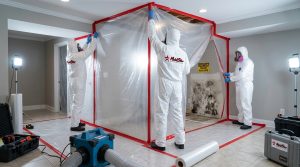
How Long Does Mold Remediation Take, and Can You Stay Home?
Once you know your home needs mold remediation, two practical questions usually come next: How long will this take? And: Can I stay in my house while the work is happening? There is no single timeline that fits every property. A localized remediation project can be considerably different from a project involving several rooms, an attic, crawl space, or whole-house contamination. The safest answer is based on the actual scope of work. How Long Does Mold Remediation Usually Take? Several factors determine the timeline: Size of the contaminated area Number of rooms affected Materials that need to be removed Accessibility Required containment Water or moisture repairs Drying requirements Contents that need to be moved or cleaned Whether post-remediation testing will

What Should a Mold Remediation Estimate Include?
Two mold remediation estimates can have very different prices while describing two very different jobs. That is why the total at the bottom of the proposal should not be the only thing you compare. A useful mold remediation estimate should tell you what the contractor believes needs to be done, which areas are included, how contamination will be contained, what materials may be removed, and what happens after the work is complete. If you are comparing companies in Metro Atlanta, use the estimate to compare scope against scope, not simply price against price. What Should Be Included in a Mold Remediation Estimate? Depending on the project, a written scope may address: The affected rooms or areas Containment Negative air pressure
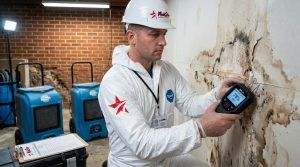
How Fast Can Mold Grow After Water Damage in Atlanta?
A burst pipe, overflowing appliance, roof leak, or flooded basement can leave you with two problems instead of one: water damage now and mold growth later. If part of your Atlanta-area home gets wet, the priority is not simply removing the standing water. You also need to dry building materials thoroughly and correct the source of the moisture. The EPA recommends drying wet or damp materials within 24 to 48 hours whenever possible. That is why quick action after water damage matters so much. If your home has recently flooded or you have discovered a significant leak, emergency water damage cleanup can help address moisture before the problem becomes more extensive. How Quickly Can Mold Become a Problem After Water