Finding mold while preparing to sell your home can create an immediate concern:
Is this going to stop the sale?
Not necessarily.
Mold issues vary significantly. A small localized problem related to a corrected leak is very different from extensive contamination caused by ongoing water intrusion.
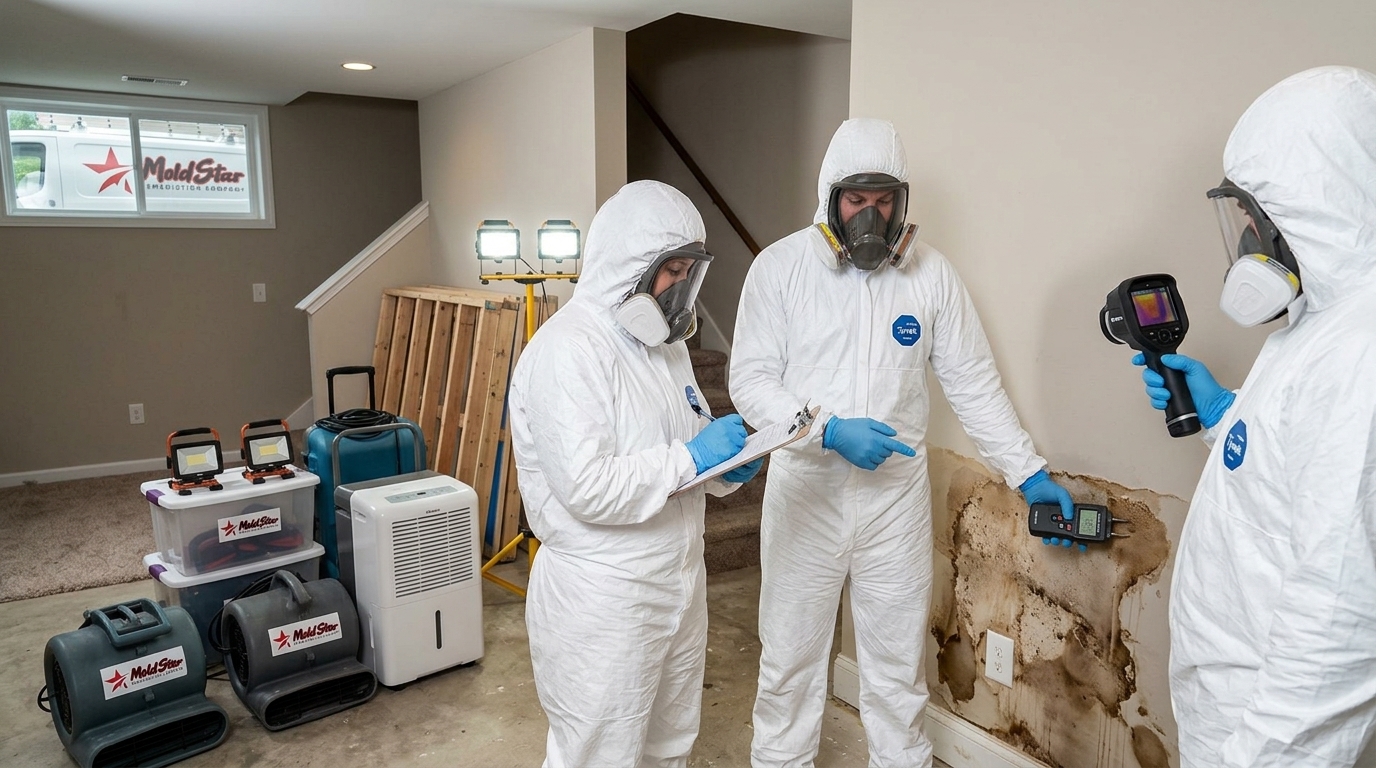
The practical goal is to understand the problem, correct the moisture source, determine whether remediation is needed, and document what was done.
If you are already under contract, coordinate decisions with your real estate agent and, where appropriate, your attorney or other transaction professionals.
What Happens If a Home Inspector Finds Mold?
Home inspectors may identify:
- Visible mold-like growth
- Water staining
- Elevated moisture
- Musty odors
- Evidence of roof or plumbing leaks
- Crawl-space moisture
- Attic staining
- Past water damage
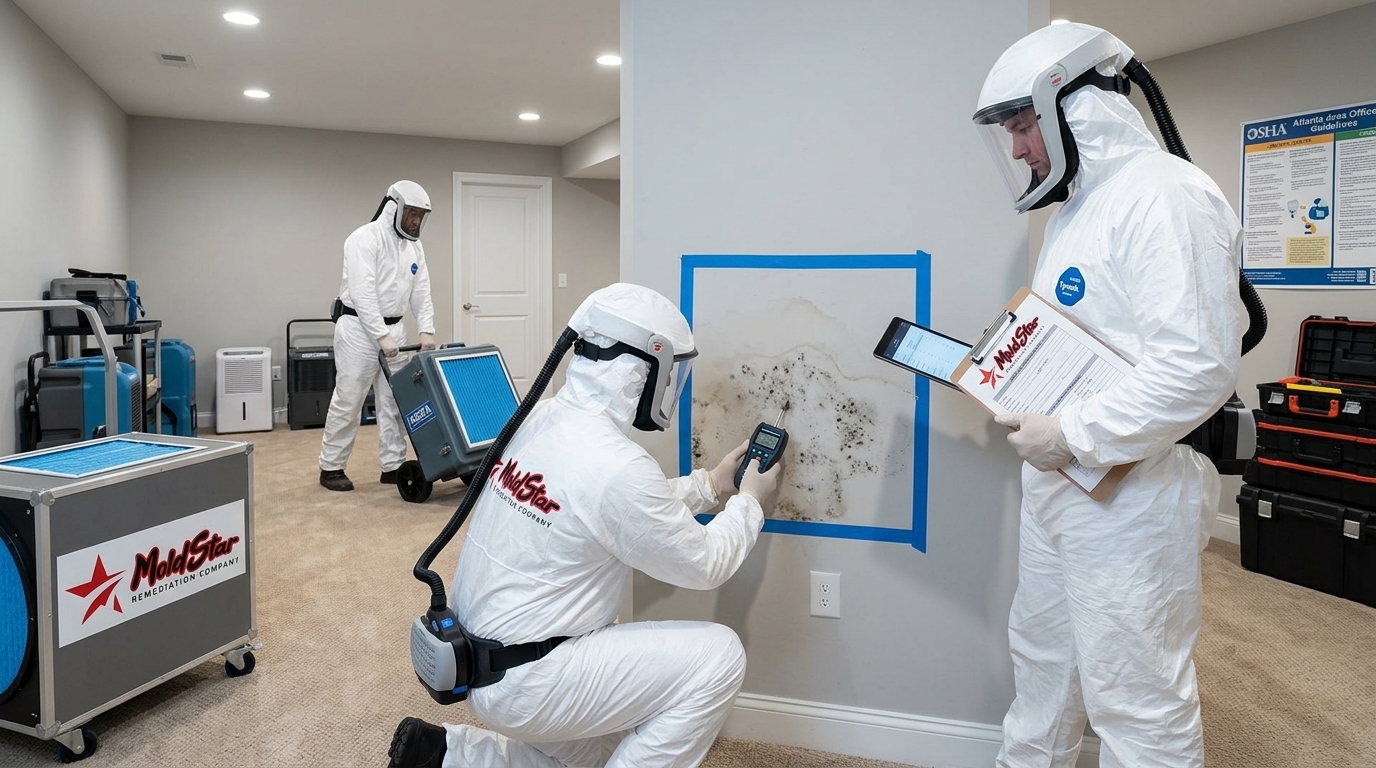
The inspector may recommend evaluation by a mold or moisture professional.
At that point, guessing usually does not help the transaction.
An evaluation can clarify the extent of the problem and what should happen next.
Should You Remediate Mold Before Listing Your House?
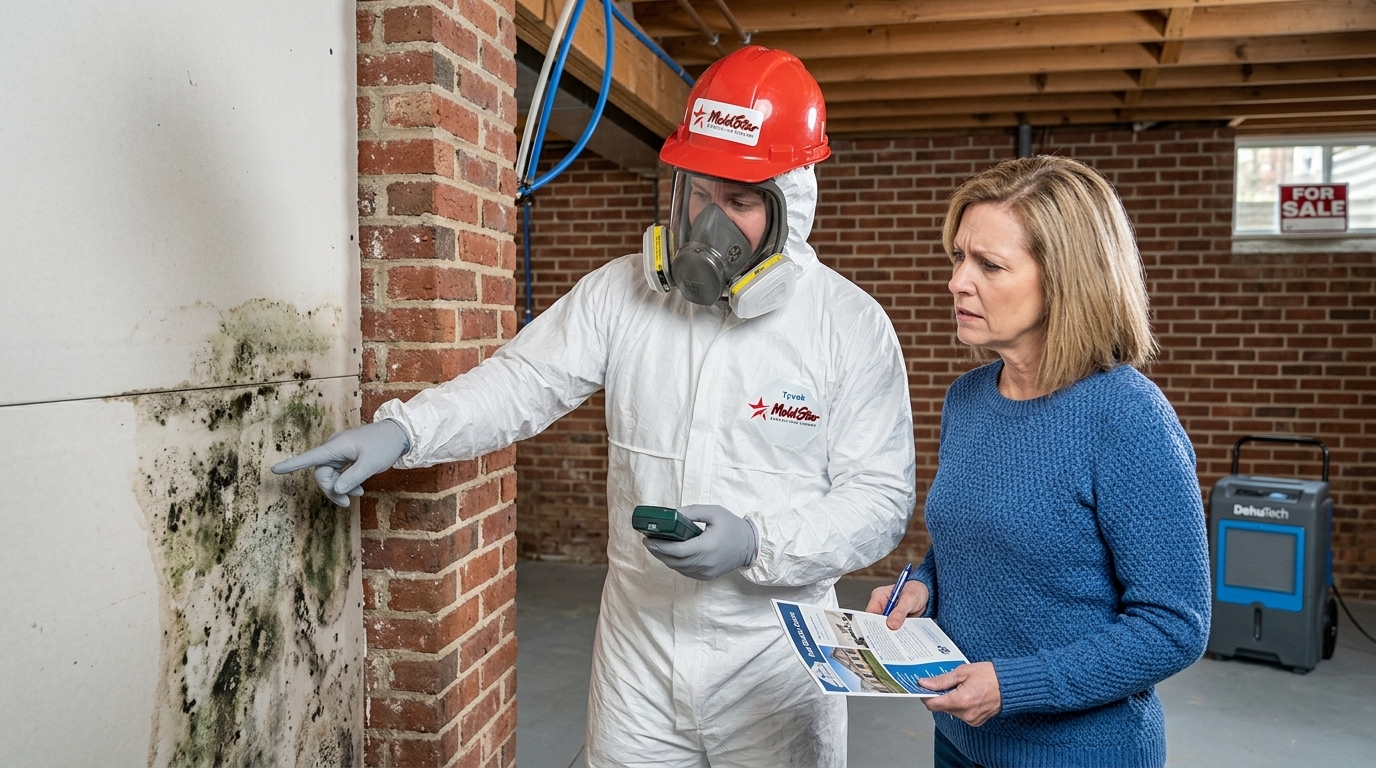
If you know there is a significant mold problem, dealing with it before buyers begin inspections can simplify the sales process.
That gives you time to:
- Identify the moisture source
- Obtain a remediation scope
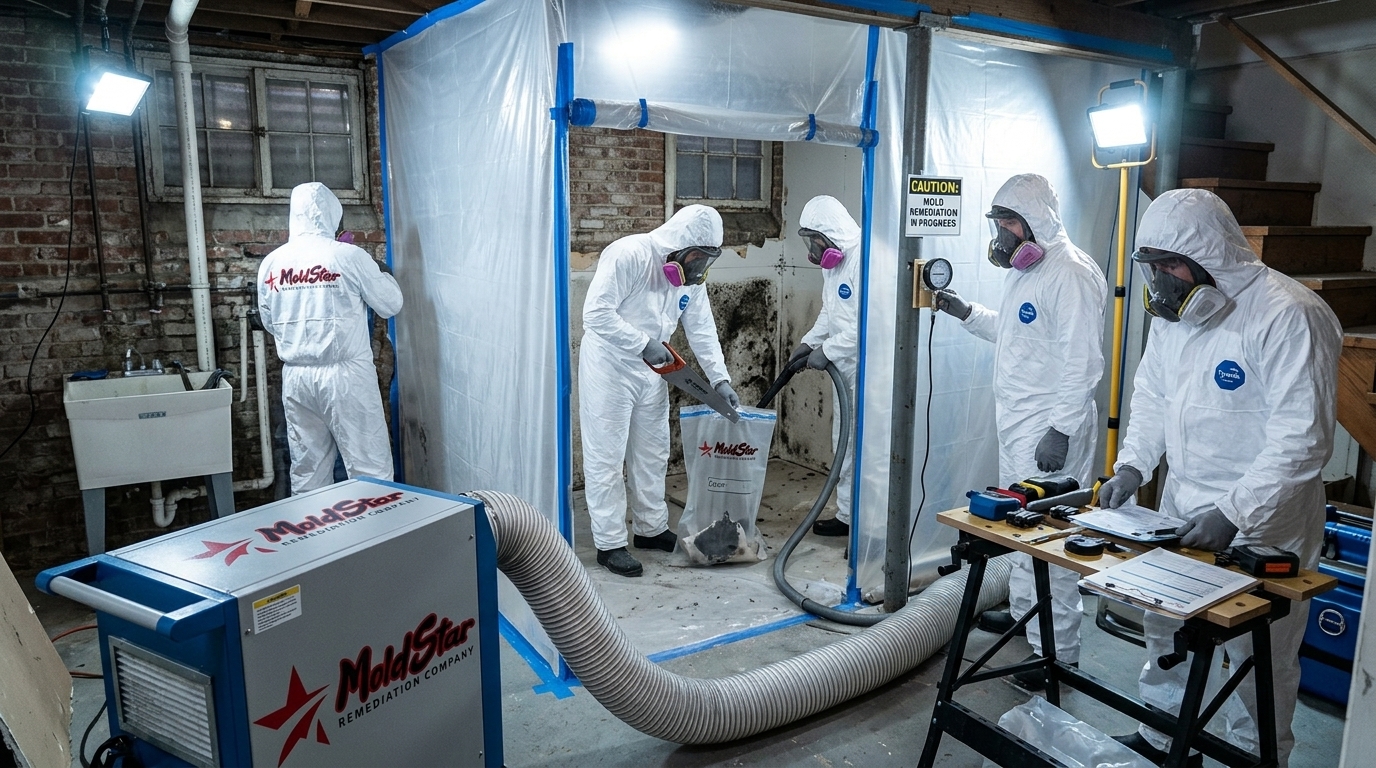
- Complete necessary work
- Handle related repairs
- Keep invoices and documentation
- Address follow-up recommendations
Waiting until you are days away from closing can make scheduling, negotiations, and decision-making more difficult.
Does Mold Remediation Increase the Chances of Closing?
No contractor can guarantee that remediation will make a transaction close.
The buyer, lender, insurer, inspectors, and terms of the contract can all affect what happens.
However, resolving a known mold and moisture issue can remove a major area of uncertainty.
From a buyer’s perspective, documentation showing what was found, what caused it, and what was done can be much more useful than assurances that a stain is “probably nothing.”
Should Mold Be Tested Before a Home Sale?
Testing can sometimes be useful during real estate transactions, but it is not automatically required for every visible mold problem.
Whether testing makes sense may depend on:
- Buyer requests
- Contract requirements
- Whether mold is suspected but not visible
- The need to document conditions
- Post-remediation verification
- Recommendations from the professionals involved in the transaction
If you are unsure, start with a professional mold inspection and discuss why testing would or would not add useful information.
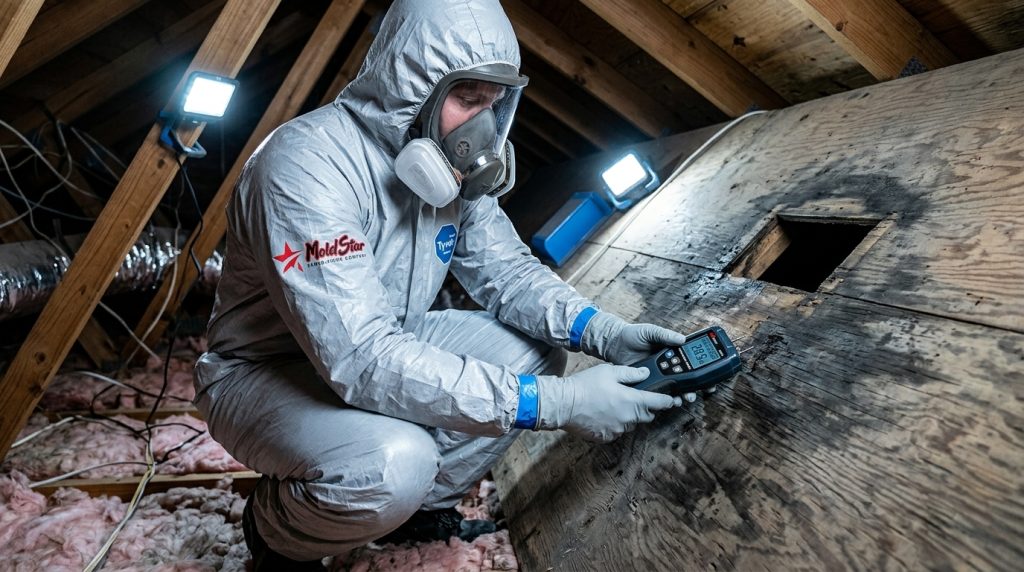
What If Mold Is Found in the Attic?
Attics are a common place for moisture-related issues to appear during an inspection.
Potential causes include:
- Roof leaks
- Condensation
- Ventilation problems
- Improper bathroom exhaust
- HVAC moisture
- Air leakage
The visible growth should not be considered in isolation.
A remediation plan should also address why moisture accumulated in the attic.
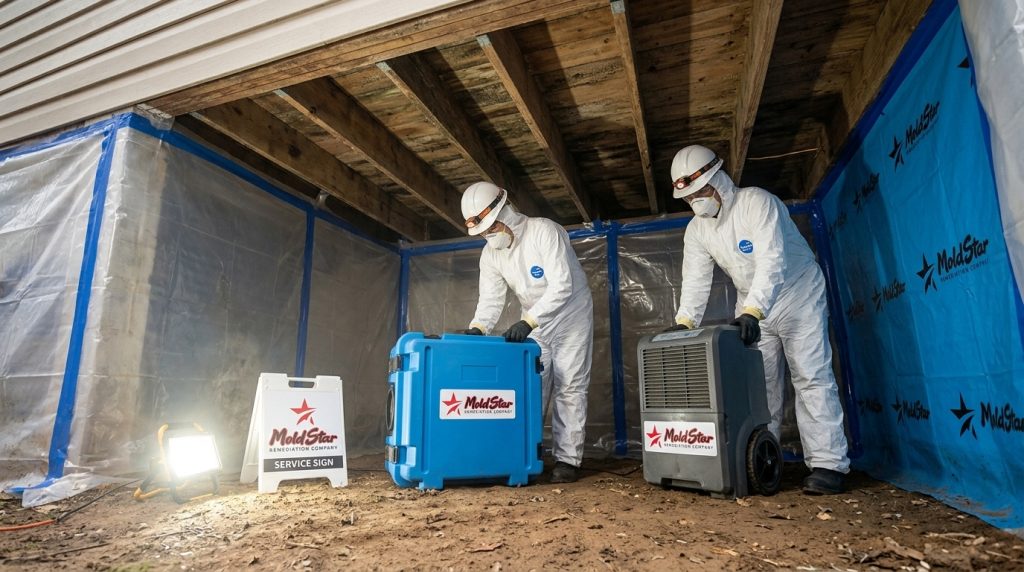
What If Mold Is Found in the Crawl Space?
Crawl-space moisture can result from groundwater, humidity, plumbing problems, poor drainage, or other building conditions.
If a buyer’s inspector sees growth underneath the house, they may want to know whether the moisture source has been corrected in addition to whether visible contamination was cleaned.
MoldStar provides both crawl space repair and crawl space encapsulation services when those solutions are appropriate to the property.
What Documentation Should You Keep After Remediation?
Keep copies of relevant:
- Inspection reports
- Remediation estimates
- Signed scopes of work
- Paid invoices
- Photos
- Moisture-related repair invoices
- Testing reports, if performed
- Post-remediation documentation
Do not make claims about what a buyer, lender, or insurer must accept. Requirements vary by transaction.
Instead, provide accurate documentation to the professionals handling your sale.
How Long Does Remediation Take Before a Closing?
Timing depends on project size and complexity.
A localized project may move relatively quickly, while remediation involving multiple areas or substantial demolition can require additional time.
Repairs to the moisture source may also affect the schedule.
If your property is already under contract, tell the remediation company that there is a transaction deadline when scheduling the assessment.
Do Not Hide the Moisture Problem
Painting over staining or concealing evidence of water damage does not correct the underlying condition.
More importantly, if the moisture source remains active, the problem can continue behind the new finish.
Correct the water issue first, then complete the appropriate remediation.
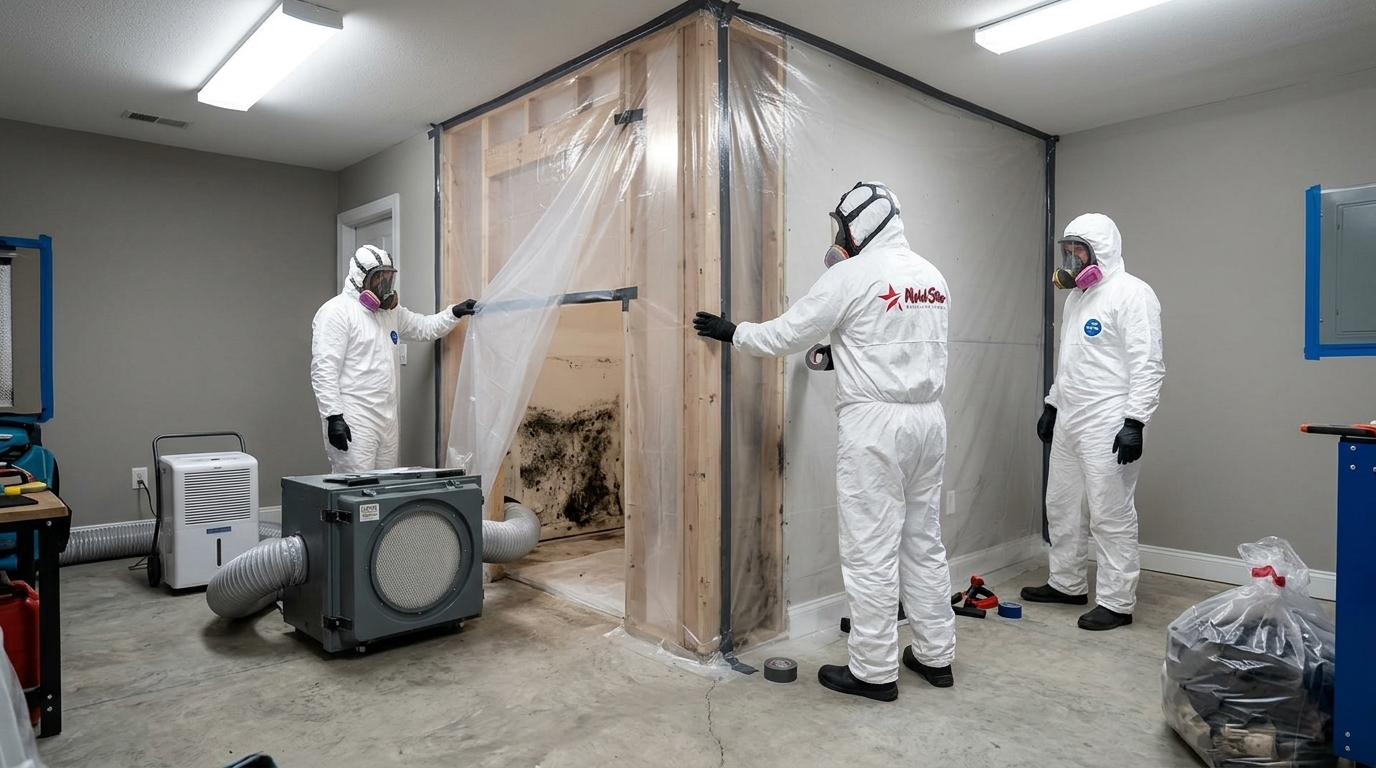
Need Mold Remediation Before Selling a Metro Atlanta Home?
MoldStar Remediation serves homeowners throughout Marietta, Atlanta, Cobb County, Fulton County, DeKalb County, and nearby areas.
If an inspection has uncovered mold, attic staining, crawl-space growth, or previous water damage, we can help you understand the remediation scope and what needs to happen before repairs are complete.
Call 404-585-7319 or request an estimate.
For properties in Cobb County, see our Marietta mold remediation services.